

Activists lobby against oil and gas exploration on KZN coast
According to the activists, Eni's own report recognised that an unplanned event such as a spill could result in a loss of access to marine-based income-generating activities.
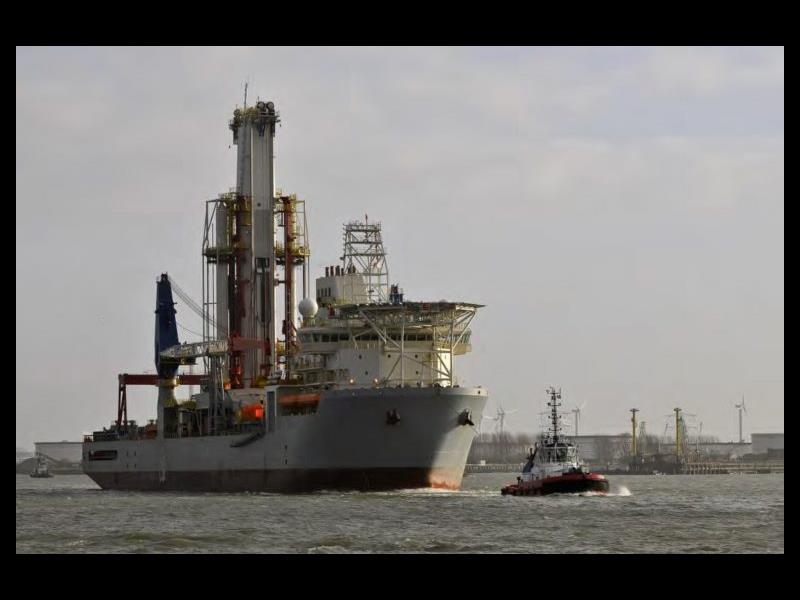
A coalition of 47 interested and affected parties including 16 environmental groups have formally filed an appeal to stop oil and gas exploration along the KwaZulu-Natal coastline.
This comes after the recent decision by the Department of Mineral Resources (DMR) to grant environmental authorisation to the Italian energy group, Eni and Sasol Africa to conduct exploratory drilling, a process that involves noisy seismic activity, in the Durban and North Coast basins. The controversial oil project is set to cover a total offshore area of more than 4,600 sq km and will allow Eni to drill, at its closest point, 62 km from the shoreline and at depths of about four kilometres.
The operations arise from the government’s Operation Phakisa (hurry up) programme which aims to unlock the economic potential of South Africa’s oceans by promoting various commercial activities, including gas and oil extraction.
Sasol was originally granted exploration rights by the Petroleum Agency of South Africa (PASA) in 2013, and then brought in Eni as a partner.
However, due to a groundswell of objections during the public consultation hearings, environmental authorisation was repeatedly withheld.
The department faced a backlash from environmental organisations including leading marine scientists who said there was a failure to adequately assess socio-economic impacts, as well as inadequate public participation.
Other concerns raised included the high levels of pollution caused by drilling operations, seabed and marine habitat destruction, significant impacts on the commercial fishing industry and the adverse effects on marine life, including whales and dolphins.
A previous scoping report stated that air emissions containing carbon dioxide, sulphur oxides, nitrogen oxides, carbon monoxide and associated volatile organic compounds could result in a short-term localised increase in pollutant concentrations and contribute to regional and global atmospheric pollution.
“For the department of minerals to proceed with this application while understanding the science of global warming, is reckless and ill conceived,” said Desmond D’Sa of the South Durban Community Environmental Alliance (SDCEA), which is leading the environmental coalition. He also said any of the drilling would be in conflict with South Africa trying to reduce its carbon footprint in line with the Paris Agreement.
Currently, Sasol pipes gas to South Africa from its Pande and Temane gas fields in southern Mozambique, but South Africa is intent on establishing a significant gas sector of its own to secure a stable, cheaper and cleaner energy mix.
The importance of gas as an energy source is shown in this year’s updated Integrated Resource Plan (IRP), which outlines the country’s proposed energy mix.
According to the IRP, government has taken a policy position to “support the development of gas infrastructure and convert all diesel-fired power plants to gas”.
However D’Sa said in view of the inhospitable character of South Africa’s offshore sea, together with increasing cyclonic disturbances associated with global warming, the hazards of operating an offshore drilling rig in KZN’s sea were exceptionally high.
The group’s appeal makes a detailed case against the proposed drilling, including the claim that Eni’s EIA contains a “legally flawed assessment of risk and impacts of a catastrophic oil spill,” and that the EIA report was “fatally flawed because it failed to adequately assess socioeconomic impacts.”
“The economic impact of the proposed exploration on people who depend on the ocean for a living has not been considered,” said the group’s appeal submission.
According to the activists, Eni’s own report recognised that an unplanned event such as a spill could result in a loss of access to marine-based income-generating activities.
The department of environmental affairs has up to 60 days to reach a decision that, according to environmentalists, could profoundly affect the lives of citizens, sea life and the ocean if the appeals against the drilling fail.
Download The North Coast Courier mobile app, now available free from the Apple iStore and on Google Play, for IOS and Android phones.

Stay in the loop with The North Coast Courier on Facebook, X, Instagram & YouTube for the latest news.
Mobile users can join our WhatsApp Broadcast Service here, or if you’re on desktop, scan the QR code below.