

Dr Gérard Labuschagne: Ballito Junction mall bomb suspect’s manifesto shows mass violence warning signs
South Africa’s former top profiler says the case has all the hallmarks of an attempted mass violence event and warns the threat may not be over.
“Anyone who doesn’t take this seriously is a fool.”
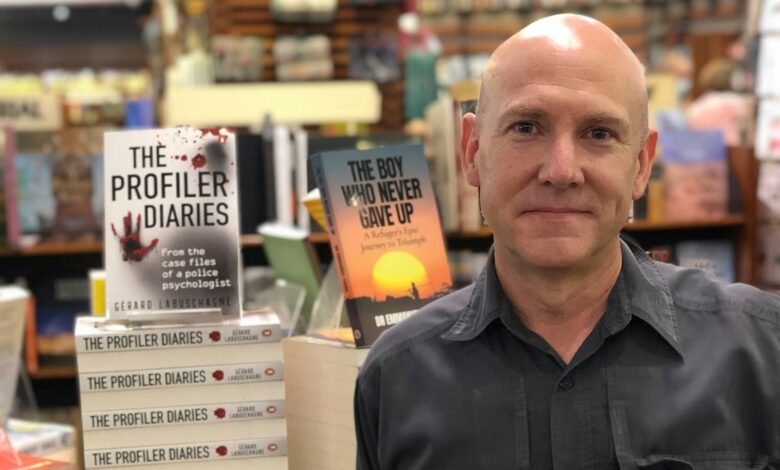
That is the warning from clinical psychologist and former Saps head profiler Dr Gérard Labuschagne, who says the teenager accused of trying to bomb Ballito Junction Regional Mall should be treated as an attempted mass violence offender.
Last week, the Courier revealed that a 15-year-old Zimbali resident allegedly attempted to bomb the mall’s food court on March 29 using an improvised explosive device (Failed: Mall bomb attack, July 10). Analysts who examined the teenager’s alleged manifesto described the device as “very dangerous to manufacture and use” because of its sensitivity to heat, shock and friction. It reportedly failed to detonate because of a single construction flaw.
Before the incident, the teenager allegedly posted a manifesto on Telegram outlining the planned attack and citing the Columbine school shooters and the TikTok-based True Crime Community (TCC) as influences. He was arrested on July 3 but released three days later after the matter was not enrolled due to insufficient evidence.
Labuschagne said the case “should absolutely be taken seriously by law enforcement”.
“It should be treated as an attempted mass violence event. Terrorism charges should be considered, while any mental health concerns should be dealt with through the Criminal Procedure Act.
A competent violence risk assessment should determine what risk this person poses and how it can be reduced.”
Behavioural warning signs
Now a certified threat assessment specialist in Canada, Labuschagne said the manifesto itself was a major warning sign.
“This is something often seen in people planning targeted mass violence. He is emulating what others before him have done.”
He also described the teenager’s alleged involvement in the TCC online community as “exceptionally concerning”, noting that numerous recent attacks in the US, Europe and Asia have been linked to the group.
Labuschagne said themes in the manifesto, including rejection, revenge, misanthropy, nihilism, racism, suicidal thoughts and a desire to achieve notoriety, are commonly associated with targeted violence.
Although the bomb failed to explode, he said the incident still constituted psychological violence.
“To say he hasn’t done any harm could not be further from the truth. Fear is violence.”
Labuschagne said the paragraph he found most concerning spoke of rejection, revenge, becoming “a god” and suicidal thoughts: “Maybe in the next life I could be with her. This is the end of my manifesto. Now my revenge will come. I’ll be someone, I’ll be a god at least I did something in life to be remembered in a manner I want.”
Risk remains
Labuschagne said police should not decide whether mental health concerns justify delaying or avoiding a criminal investigation. Those issues are determined through the courts under the Criminal Procedure Act and, in cases involving children, the Child Justice Act.
“We don’t judge the risk of future violence based on someone’s age or mental health.”
He cautioned that an arrest does not eliminate the threat because underlying grievances may remain or intensify. While he stressed he had not assessed the teenager personally, Labuschagne said violence risk depends on multiple factors and that punishment alone, without addressing the causes of violent behaviour, may increase the likelihood of future offending.
Stay in the loop with The North Coast Courier on Facebook, X, Instagram & YouTube for the latest news.
Mobile users can join our WhatsApp Broadcast Service here, or if you’re on desktop, scan the QR code below.