

What to know about the three ballots you will receive during next month’s elections
If you live in a local municipality, like KwaDukuza, then you will have three ballots as opposed to the two you get in a metro.
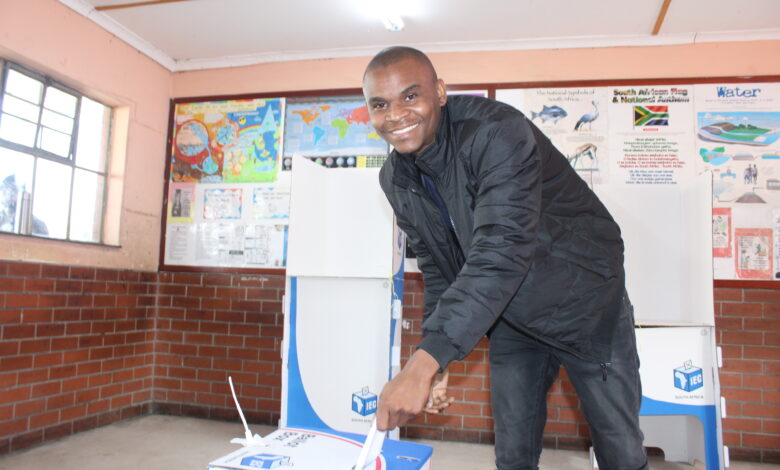
Your chance to decide who runs your municipality for the next five years is just a few weeks away.
Voters across the country will head to the polls for the 2026 local government elections on November 4, but what exactly are they voting for?
In KwaDukuza, people will cast three separate ballots:
1. Ward councillor
The first ballot lists the candidates contesting your ward, along with their political party affiliations, where applicable. Independent candidates may also stand.
The candidate with the most votes wins the ward seat and becomes one of KwaDukuza’s 30 ward councillors.
Ward councillors serve for five years, unless they resign, die or are removed from office. A vacancy generally triggers a by-election.
2. Local municipal council
The second ballot lists the names of all parties contesting the local municipal elections.
KwaDukuza is the largest local municipality in iLembe and is responsible for services including electricity distribution, refuse removal, municipal roads and the collection of rates. Water services fall under the district municipality.
A vote for a party on this ballot helps determine how the council’s 29 proportional representation (PR) seats are allocated.
PR councillors have the same voting rights as ward councillors but are elected through party lists rather than individual wards. If a PR councillor leaves office, their party can replace them without a by-election.
3. District municipal council
The third ballot lists the political parties contesting proportional representation seats on the iLembe District Municipal Council.
KwaDukuza is one of four local municipalities within the iLembe District, alongside Mandeni, Maphumulo and Ndwedwe.
The district municipality is primarily responsible for water and sanitation services, although Siza Water provides services within its designated concession area between the Tongaat and Umvoti Rivers.
Forty percent of district councillors are elected directly through proportional representation, while the remaining 60% are appointed by the councils of the four constituent local municipalities.
To confirm where you are registered to vote, visit elections.org.za/pw/Voter/Voter-Information.
It is crucial to vote at the specific voting station and ward in which you are registered.
Stay in the loop with The North Coast Courier on Facebook, X, Instagram & YouTube for the latest news.
Mobile users can join our WhatsApp Broadcast Service here, or if you’re on desktop, scan the QR code below.