
KDM budget cuts rebates, raises tariffs – ratepayers to pay more
Ratepayers should expect a 7.3% increase in refuse removal tariffs and an electricity hike of between 5% and 10.7%, subject to NERSA approval.

Ratepayers will feel the pinch as KwaDukuza slashes rebates and hikes refuse and electricity costs to recover millions in lost income.
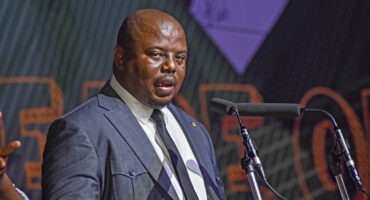
Presenting the R3-billion 2025/2026 municipal budget last Thursday, Mayor Ali Ngidi confirmed that while property rates would remain unchanged, the general rebate would be reduced from 25% to 20%.
For most ratepayers, that means a real increase in what they will pay – estimated at 6.7% – even though the official rate stays the same.
The cut comes alongside a 7.3% increase in refuse removal tariffs and an electricity hike of between 5% and 10.7%, subject to NERSA approval. Households in previously unbilled zones may also begin receiving refuse bills, following income-based assessments.
Ngidi said electricity and refuse service charges would generate the majority of the municipality’s income, some R1.701-billion. But he admitted the municipality has been losing millions to illegal connections, meter tampering and outdated infrastructure, which contributed to the initial budget deficit.
To stem the losses, KwaDukuza has contracted a company to manage meter inspections, disconnections and reconnections. A meter audit and replacement programme is underway, targeting 13 000 properties. An amnesty campaign hopes to recover R60-million in lost revenue.
The municipality also expects better results from a national smart metering system, which aims to improve billing accuracy and curb non-technical electricity losses. Ngidi said these changes had already helped cut bulk electricity purchase costs by R181.5-million.
While operating income is expected to rise by R257.7-million, operating expenses will increase to R3.011-billion. To rein in spending, KDM has frozen hiring, begun reviewing its staff structure and plans to reduce security costs by R22-million.
A R14-million data-cleaning tender has also been approved to fix billing errors and improve financial accuracy over time.
The Democratic Alliance rejected the budget, accusing the municipality of using the rebate cut to mask a rate hike.
“Residents are paying more for less. Services are poor, but tariffs keep going up,” said DA leader Privi Makhan.
She also criticised the budget’s allocation of R12-million to legal fees tied to the Special Investigating Unit and spending on VIP protection, saying it ignores youth unemployment and the needs of vulnerable households.
By contrast, ActionSA and the IFP supported the budget, though both parties called for improved service delivery and strict oversight of the new recovery plans.
The Dolphin Coast Residents and Ratepayers Association (Docrra) chairperson Deon Viljoen urged caution: “Keeping rates flat is welcome, but the real issue is whether KDM can plug electricity losses without punishing the law-abiding ratepayer.”
Stay in the loop with The North Coast Courier on Facebook, X, Instagram & YouTube for the latest news.
Mobile users can join our WhatsApp Broadcast Service here or if you’re on desktop, scan the QR code below.

Stay in the loop with The North Coast Courier on Facebook, X, Instagram & YouTube for the latest news.
Mobile users can join our WhatsApp Broadcast Service here, or if you’re on desktop, scan the QR code below.