
Ballito businesses warn of ‘triple whammy’ rate increases affecting investment
While tariffs are set to increase by an average of about 8%, residents stressed that this figure reflects only the direct tariff adjustments.
KwaDukuza’s draft budget has triggered concern from business leaders, who warn that steep increases could undermine investment and growth in the region.
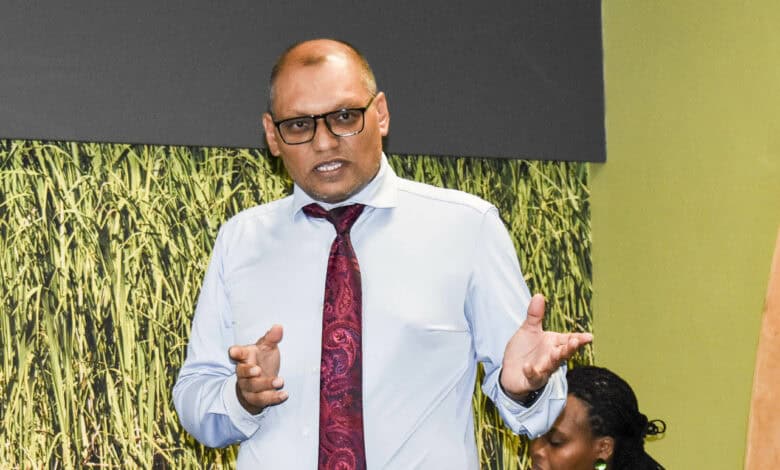
Speaking at the Mayoral Imbizo at the iLembe Chamber in Ballito last Wednesday, municipal CFO Shamir Rajcoomar said the budget aims to reduce the financial impact for ratepayers, a statement largely contested by the audience.
“We have adjusted the rebate structure to limit sharp increases. There is effectively a 0% increase in the base calculation, followed by a 6% adjustment,” said Rajcoomar, adding that this is the maximum proposed increase, which could still change, but will not be higher.
Mayor Siduduzo Gumede tabled a R3.37-billion draft budget at the KwaDukuza Town Hall in March, outlining the municipality’s plans for the 2026/27 financial year. Property rates are set to rise by 6%, refuse removal by 7% and electricity tariffs by between 9% and 11%, pending approval.

While tariffs are set to increase by an average of about 8%, residents stressed that this figure reflects only the direct tariff adjustments.
A key concern is how rate rebates, property revaluations and annual increases will work together. Residents warned this could create a “triple whammy” for ratepayers. Some said businesses may be forced to raise rent or delay developments.
Local businessman Greg Carter cautioned that the total impact on ratepayers could be far higher than forecast.
“It could be 30% to 40% easily. It’s going to have a large effect and a sudden change in your rates. You may see increases far beyond the 6% tariff adjustment once valuations and rebates are factored in,” he said.
Property developer Kevin Swart said sudden changes would disrupt long-term development plans and agreements.
“You plan developments based on projected rates, but if these increase significantly, those agreements will have to change. The impact could be substantial,” he said.
“It may be short-term gain, but it will be long-term pain. This could undermine investment in an area with strong growth potential,” he said.
iLembe Chamber CEO Cobus Oelofse questioned the credibility of the budget, pointing to the deficit in the 2025/26 adjustment budget.
“The turnaround in revenue collection and non-technical electrical losses is extremely ambitious, especially since the draft IDP acknowledges weak revenue collection, high electricity losses, overrunning costs and declining reserves,” he said.
“Considering the investment needs of our fast-growing region, the capital expenditure budget of a mere R107-million is of huge concern,” he said.
Stay in the loop with The North Coast Courier on Facebook, X, Instagram & YouTube for the latest news.
Mobile users can join our WhatsApp Broadcast Service here, or if you’re on desktop, scan the QR code below.