

Cane farmers in trouble
If drought continues, the effect on farmers and workers will be devastating.
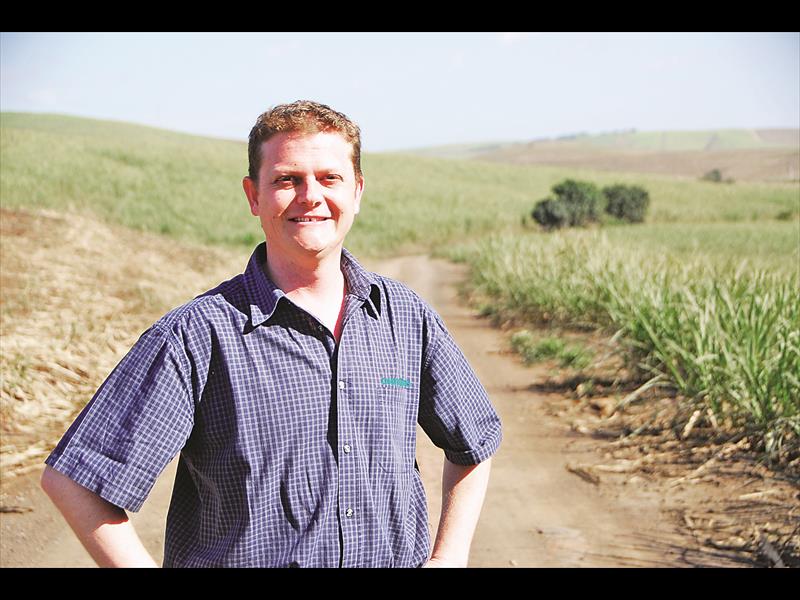
Low yields, disease and root death brought on by the driest season in 100 years poses a mortal threat to KZN sugarcane farmers’ livelihood.
Farmers will go under and thousands of farm workers will lose their jobs if the drought continues through the two remaining months of the rainy season.
KZN premier Senzu Mchunu in November approved an application brought by the department of co-operative governance and traditional affairs to declare KZN to be in a state of disaster, making the province eligible for financial assistance from the National Disaster Relief Fund.
Municipalities declared disaster areas within the Ilembe district include Maphumulo, Ndwedwe and KwaDukuza. Based on rainfall statistics, Mandeni is the driest municipality in Ilembe and it is unclear why they were not included.
The South African Cane Growers’ Association North Coast regional manager Brendon Nothard said the KZN North Coast was one of the most severely affected regions.
“The effect of the current drought is compounded by the preceding 2010/11 drought that farmers had to recover from, only to be hit by the driest season in 100 years in 2014/15. With a 10 year life span, replanting sugarcane costs about R20 000 per hectare and farmers spend the first four years paying off the planting costs and only start making money from year five.”
This means that farmers who replanted after the 2010/11 drought are still paying for that replant and now they have to borrow more money to replant again.
“Cane that is under stress produces a lower yield and is susceptible to pest and disease infestation and root mortality. Low yields in 2014 meant cane growers had to cut more than the normal 90-95% and carried very little cane over to be cut in early 2015. This means very little cane is available to keep mills open in the new year to help farmers with cash flow.”
Nothard said the drought also has a negative effect on the sucrose quality, meaning less sugar is produced per ton of cut cane.
“Crop growth normally is at its peak from November to March when we receive our highest rainfall. Because of the drought, regrowth after last season’s harvest has failed, leaving very little, if anything, to harvest this season.”
The effect on farm workers will be devastating.
“On the North Coast, wages make up on average 28% of the total cane production costs and farmers can cut back on labour cost by getting the work done with fewer staff. The 313 registered large scale cane growers on the North Coast employ about 10 500 people, translating into a conservative estimate of about 63 000 dependants. Job losses will not only affect the farm workers and their dependents, but also businesses in the area as buying power is drastically reduced and more desolate people are driven to towns to beg.”
Nothard said the hardest hit will be the small scale subsistence farmers who do not have access to credit to fund replanting.
“People are fooled by the green drought into thinking there is no real crisis while in fact the sugar cane industry is facing a disaster. While everything above ground may be green, below the ground there is nothing but dry soil.
“In the best case scenario, we will receive very good rain before winter in February and March and farmers will play catch-up until the 2017/18 season and will only have recovered in 2018/19. If it does not rain properly before winter then farmers, workers and the greater community will suffer into 2019/20 and possibly beyond,” said Nothard.
Stay in the loop with The North Coast Courier on Facebook, X, Instagram & YouTube for the latest news.
Mobile users can join our WhatsApp Broadcast Service here, or if you’re on desktop, scan the QR code below.