

Risking ground zero in Nepal
Ballito resident shares his experience from helping in Nepal after the devastating earthquake.
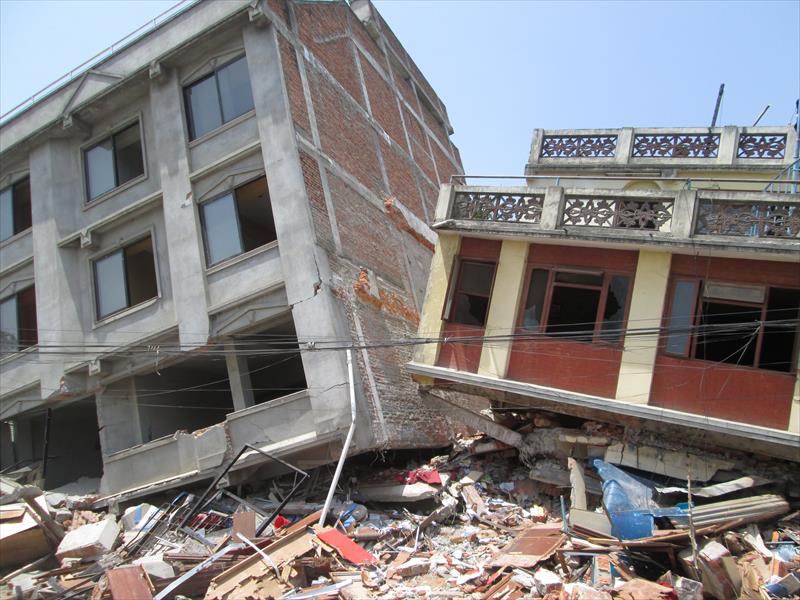
When most people hear about natural disasters they watch the horrible footage on the news and share the photos on Facebook.
It takes a special type of person to get on a plane and help.
Ballito resident, Hannes Joubert is one of those brave people and has done six missions to some of the most dangerous parts of the world with Gift of the Givers.
“I have been to various war zones, including Gaza, Somalia and Syria and have helped at the Haiti earthquake, Congo Arms depo explosion and most recently the Nepal earthquake that struck in April,” said Joubert, who is a surgical assistant.
To assist after the Nepal earthquake Joubert spent ten days in Kathmandu, however the first few days were a waiting game.
“We had to fly via Singapore and take a smaller plane to Kathmandu, but there was not enough space for our equipment, so we had to leave it behind and wait a few days till it arrived,” he said.
“During this time, I joined the search and rescue team, but it was terribly frustrating not to be able to help people, especially because every second counts in a disaster areas and wasted time means lives are lost.”
Using the life locator, a machine that can accurately predict the presence of life ten meters below the rubble in three minutes, and other clever equipment many people were rescued from the ruins.
However, thousands lost their lives and Joubert recalled the stench of death that became more prominent as time ticked away.
Once the equipment arrived, Joubert joined the surgical team again and got to work in the hospitals, which are similar to our rural clinics.
“There were twenty highly skilled search and rescue personnel and the teams were running seven theatres in five hospitals carrying out major surgical procedures.”
The most common injuries Joubert and the team treated were broken legs and ankles.
“People jumped out of buildings from the second or third storey out of pure panic during the aftershocks, because they were scared the buildings would collapse.”
According to Joubert, most of the disaster areas were never attended to because they were outside Kathmandu in the mountains, which could only be reached by helicopter.
“There were not enough helicopters and if you think that only two to three people can be lifted at a time, it really does not make an impact,” he said.
Furthermore, most of the helicopters were used to rescue people at the Mount Everest base camp.
“The government seemed more focused on rescuing the foreigners at base camp than their own people in the city and the mountains.”
However Joubert said, “you just have to focus on the ones you can help, rather than the ones who you cannot help.”
The people they helped were very grateful and although it was nearly impossible to communicate with them, everyone was friendly and accommodating.
“We stayed in a primary schools hall, which was not too bad and luckily it was a single storey building.”
Leaving Katmandu after ten days was difficult for Joubert because the need was so much greater then the help they had provided.
Stay in the loop with The North Coast Courier on Facebook, X, Instagram & YouTube for the latest news.
Mobile users can join our WhatsApp Broadcast Service here, or if you’re on desktop, scan the QR code below.