

KwaDukuza sangoma shares the healing power of indigenous plants
A variety of plants and trees sourced from across KwaZulu-Natal and southern Africa form a crucial part of the traditional medicinal toolkit.

Shakaville sangoma Gugu Dludla finds inspiration and healing in the natural world around her.
A variety of plants and trees sourced from across KwaZulu-Natal and southern Africa form a crucial part of her medicinal toolkit.
When she needs to replenish her stocks, Gugu can often be found visiting a sacred forest in Maphumulo, where she carries sage and asks for spiritual guidance, seeking permission to take from the land.
“I don’t heal people in the same way; not all tree roots are the same, and I’m guided by my ancestors to determine which roots are aligned to each person’s spirit,” said Gugu.
Her relationship with the natural raw materials of her craft is so strong that Gugu says she often dreams about which trees and plants to use. That connection has grown even stronger since her initiation 25 years ago.
“When you finish your initiation, you leave with a bag of medicine to start you off, but learning about herbs is an ongoing journey,” she said.
Gugu said it typically takes about five years for new sangomas to fully hone their craft. The 37-year-old has been practising her ancestral calling since 2001 and is also an active Methodist Church member.
While the list of trees that Gugu uses is vast, she shared three that are commonly found on the North Coast:
1. Umkhanyakude Tree (Vachellia xanthophloea)
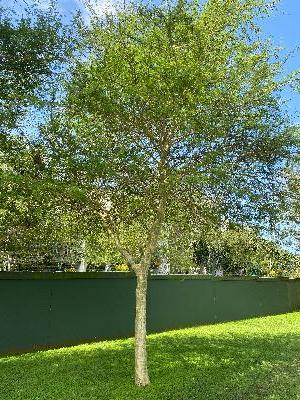
Found in wet woodland areas, this sacred tree is used by sangomas for cleansing, protection, and healing. It is believed to ward off bad luck, strengthen ancestral connection and treat ailments like diarrhoea, chest issues and flu. Its bark and leaves are said to aid wound healing, cleanse homes of negative energy and promote calmness and overall well-being.
2. UGobho (Gunnera perpensa)
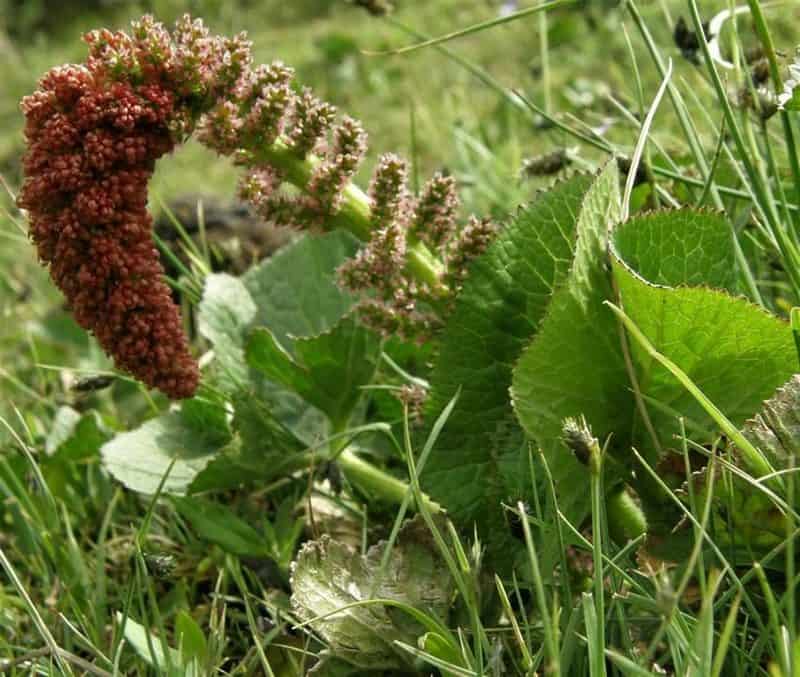
Also known as the river pumpkin, this wetland plant is used for detoxing, boosting vitality and easing menstrual pain. Its leaves can help treat minor cuts and skin issues, while the root is boiled for cleansing, healing and strengthening of the immune system. It is also offered in ancestral rituals for respect and guidance.
3. Umhlakuva (Ricinus communis)
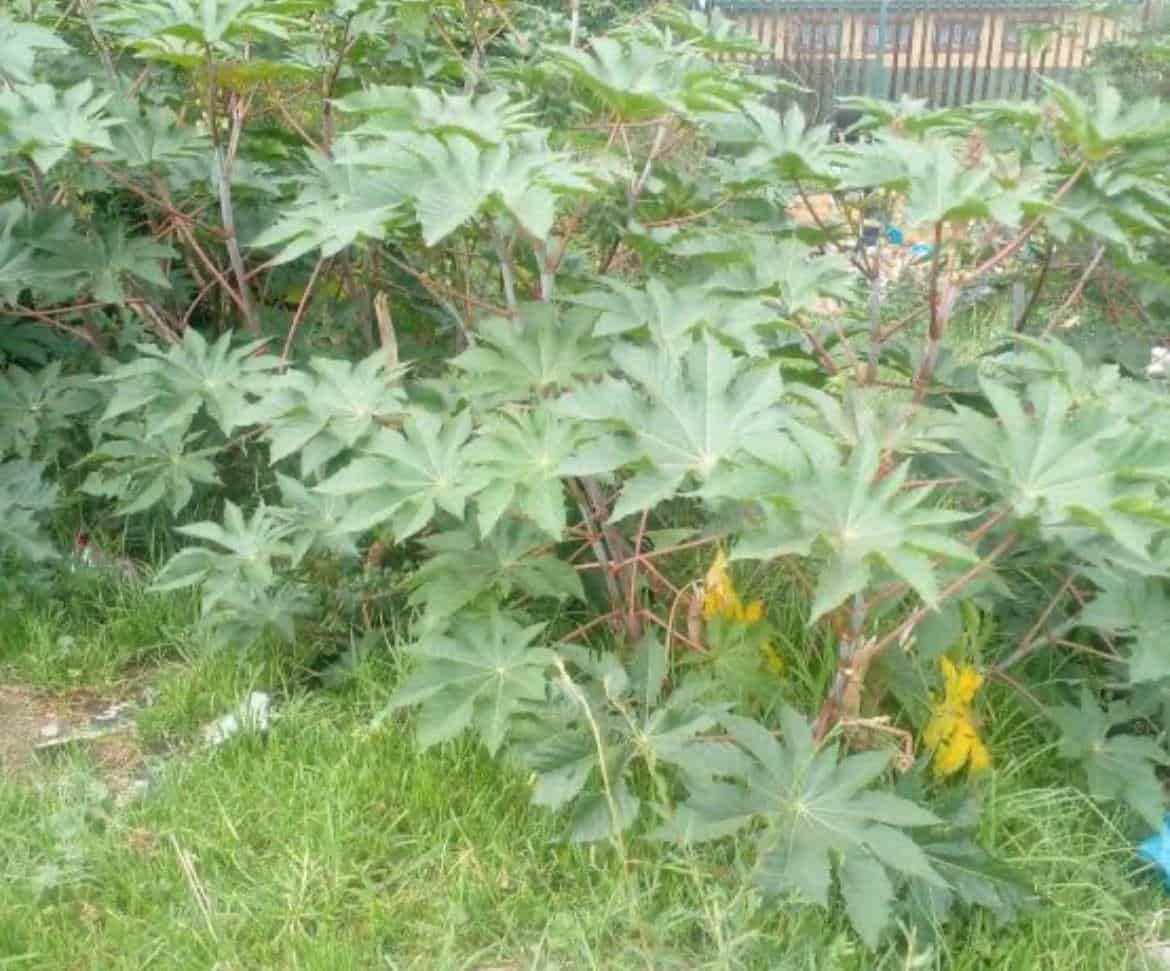
The castor oil plant is valued for its laxative properties and is used to relieve constipation and stimulate labour. It is also known for its healing effects on kidney-related conditions.
This article was first published in the November 2025 edition of the Fast Finder.
Stay in the loop with The North Coast Courier on Facebook, X, Instagram & YouTube for the latest news.
Mobile users can join our WhatsApp Broadcast Service here, or if you’re on desktop, scan the QR code below.