

How to survive a snake bite
Remember these five points when you encounter a snake or snake-bite victim.
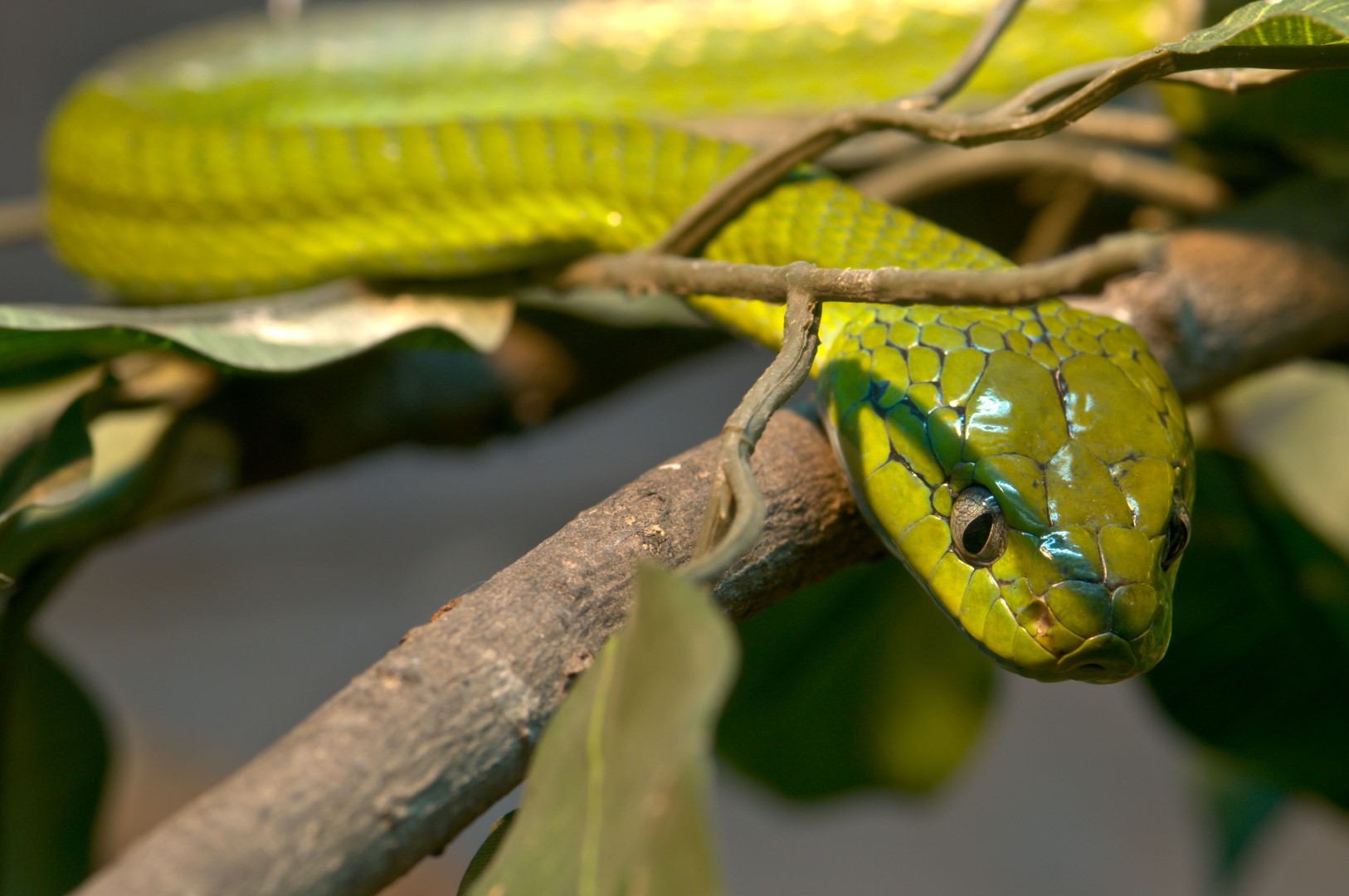
Here on the North Coast we share our home with many species of snake, some dangerous and others harmless.
While human-snake encounters are relatively rare, the risk of snake-bites is ever present. This is because few people are able to identify the species of snake that bit them and many do not understand what needs to be done once bitten.
Here is your snake-bite survival guide, as recommended by snake expert and multiple snake-bite survivor, Neville Wolmarans, who has over 50 years experience studying and handling the reptiles.
1. Treat all snake encounters in exactly the same way.
If a snake of any species is encountered, people must never approach the animal and maintain a safe distance at all times while keeping a constant eye on it.
Whether you think the snake is a harmless Natal bush snake or believe it is the extremely venomous green mamba, do not take the risk of a bite and contact a professional to capture and relocate the animal.
Wolmarans offers snake removals for a small call-out fee of R250 and also provides a free snake ID service on Whatsapp that allows people to send pictures of the snakes they encounter to find out whether the snake is dangerous or not.
This is because it is very difficult to correctly identify the species of a snake, with markings changing from individual to individual, which can make the treatment of a bite problematic.
2. Draw up a plan of action for your family, if you do not have one already.
This way, if either you or your loved one is bitten by a snake, you will know how to react quickly and responsibly.
There are many species of venomous snake in our area, with many varying life-threatening types of venom which require different medical attention.
A bite from a black mamba is neurotoxic, which means it attacks your nervous system, while the puff adder injects a cytotoxic venom that breaks down body cells.
Other species produce venom that is haemotoxic, which destroys blood cells and myotoxic, which attacks soft tissue such as muscle, tendons and ligaments.
3. Call the hospital as soon as possible after the bite to inform doctors and nurses that a snake-bite victim is on the way.
Time is everything when it comes to snake-bites, as you can never be sure how much of it you have left before the situation becomes critical.
It is also impossible to know how much venom has been injected into your system, or how quickly the toxins will work their way through your body, so act quickly.
4. Remain calm!
Although very difficult to do, it is crucial for a number of reasons not to panic.
This is because panicking increases your heart rate, which will only spread the venom through your body more quickly and allow symptoms to more rapidly develop.
5. Size matters.
It is also important to remember that the smaller the bite victim, the more dangerous the situation becomes, as a lower body mass index (BMI) speeds up the onset of the venom’s life-threatening symptoms due to the shorter distance the venom has to travel from the bite-site to the body’s vital organs.
For more information, contact either Neville Wolmarans on 082 561 4969 or Helen Bauermeister on 079 453 3557. You can also email Wolmarans at ndlondloreptilepark56@gmail.com.
Stay in the loop with The North Coast Courier on Facebook, X, Instagram & YouTube for the latest news.
Mobile users can join our WhatsApp Broadcast Service here, or if you’re on desktop, scan the QR code below.