

Bio-bugs unleashed oninvasive weeds
Biological control is considered environmentally friendly because it causes no pollution and affects only the target plant.
Two Brazilian bugs have been released on the North Coast in a bid to destroy the runaway Barbados Gooseberry, an invasive plant that is spreading like wildfire.
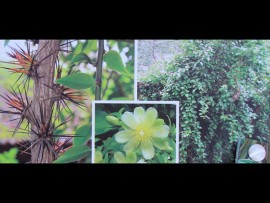
The KwaDukuza municipality (KDM) called in the help of the South African Sugar Research Association (SASRI) to save indigenous plants from being strangled by the Barbados gooseberry (Pereskia aculeata), a plant originally brought across from Brazil which has no natural enemies here.
Instead of using harmful pesticides that pollute the environment, disturb the soil or create large empty areas, KDM has opted for biological control supplied by SASRI entomologists.
This entails using the plant’s natural enemies, imported from Brazil, to bring it under control.
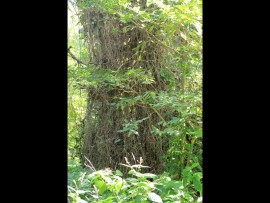
SASRI senior entomologist, Des Conlong said Pereskia was problematic in South Africa because it destroyed indigenous biodiversity by outcompeting indigenous plants.
“Areas infested with Pereskia become degraded ecosystems with very low levels of biodiversity,” he said.
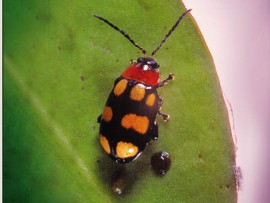
SASRI has released two different bugs into areas where the plant flourishes. Both the adult Pereskia flea beatle and its larvae eat the Pereskia’s leaves, forming large holes which reduce the weed’s canopy size and allows other plants to grow.
These beetles are black with eight cream spots on their backs. They have large hind legs, are strong jumpers and can fly. The larvae are grub-like, growing to about one centimetre long and are yellow when small or grey when larger.
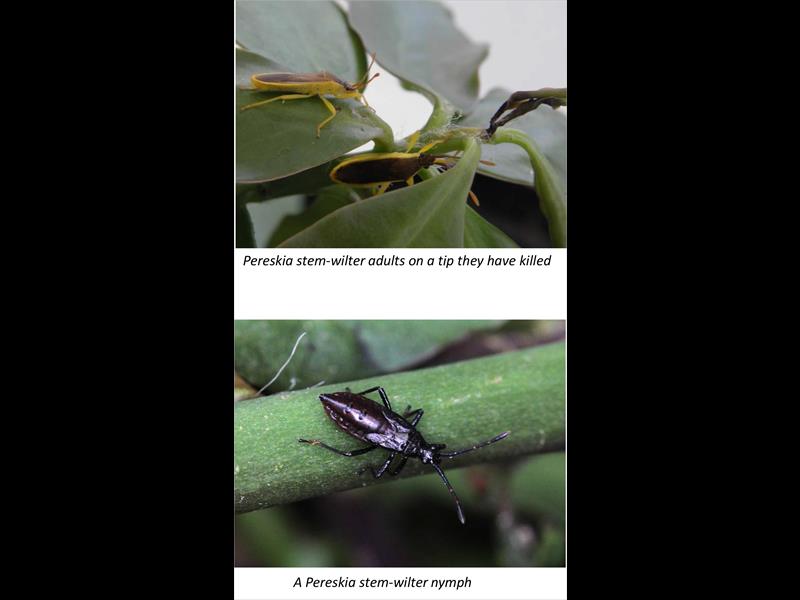
The second bug unleashed is the Pereskia stem-wilter, an insect that feeds exclusively on Pereskia. Adult Pereskia stem-wilters can fly, are about 13 mm long and are yellow and brown in colour.
They lay black-brown eggs in batches of up to 30 which produce tiny red nymphs that turn black within a few hours. Although the nymphs cannot fly, they are very active and seek out Pereskia shoot tips to feed on.
Biological control is considered environmentally friendly because it causes no pollution and affects only the target plant.
It is self-sustaining and therefore a permanent solution, as well as being efficient because it gradually kills the target plant, allowing the natural vegetation to gradually recover in the shelter of the dying weeds instead of leaving empty spaces for other invaders to take their place.
Do you want to receive news alerts via WhatsApp? Send us a WhatsApp message with your name and surname to 061 718 4438.
Please read our WhatsApp broadcast list disclaimer.
Join us on BBM at 59015786
Join the conversation on Facebook, Twitter and Instagram.
Stay in the loop with The North Coast Courier on Facebook, X, Instagram & YouTube for the latest news.
Mobile users can join our WhatsApp Broadcast Service here, or if you’re on desktop, scan the QR code below.