

Good rains predicted should keep dam levels steady
Much of the torrential rains that were received in the past two weeks occurred in areas outside of catchment areas.
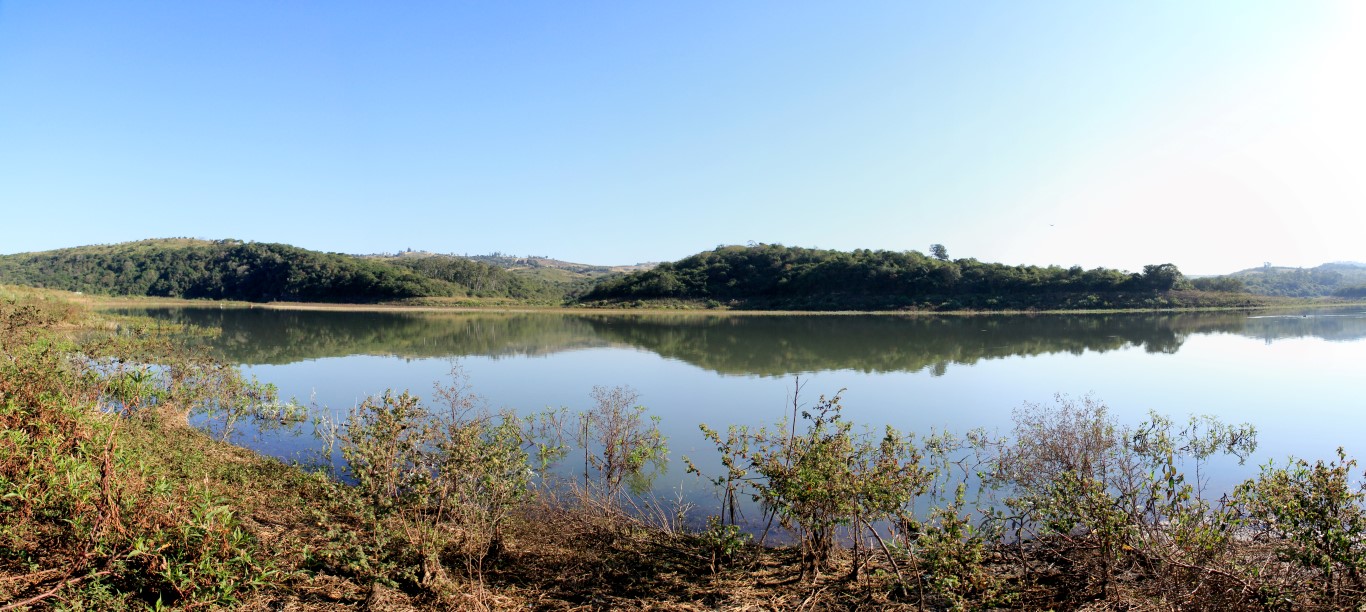
Weather forecasters at the Council for Scientific and Industrial Research (CSIR) have predicted that good rains, possibly above average, are expected at the end of 2016 and or in the first quarter of 2017.
“This means that the amount of water currently in dams will have to last until then,” said Corporate Stakeholder Manager, Umgeni Water Shami Harichunder.
“Water restrictions and a reduction of potable water production of 15% at water treatment plants in the Mgeni system by Umgeni Water, therefore, became imperative to prevent the possibility of major dams failing.
“If a major dam in the Mgeni system fails, the consequence for households and the economy will be dire.
“Stringent water conservation and strict adherence to water restrictions are required of users in order to assist in the preservation and prolonged availability of this resource.”
The situation in Hazelmere system (Hazelmere Dam) has returned to normal after a two-year drought and accompanying stringent water restrictions which peaked at 40%.
Following good rains from July 2016 to the present, the dam has risen to 72%, as of November 14.
All water restrictions in the supply area of Hazelmere Water Treatment Plant have been lifted.
The areas are: Verulam, Waterloo, Ballito, Umhlali, parts of Ndwedwe, Sea Tides and La Mercy.
Midmar Dam is at 50%
Rainfall received in October 2016 at Midmar Dam amounted to 77 mm.
The average for October at Midmar Dam is 105 mm.
This means rainfall received remains below average and is already in deficit.
Similarly, rainfall received thus far at Midmar Dam in spring 2016 is also below average for spring of the past five years.
The level of Midmar Dam as of November 14 was 50%.
This is an increase of 2% over the past week – an increase that is attributed to run-off into the dam, weekend rainfall in the catchment of about 30mm and transfer of water into it from Spring Dam
However, the current level of Midmar Dam is about 3% lower compared to the same period a year ago.
Midmar Dam is the second-largest dam in the Mgeni system, after Albert Falls, and it supplies all of uMgungundlovu and Pietermaritzburg.
Water restrictions for Durban and Pietermaritzburg
The level of Albert Falls as at November 14 2016 was 26%. This dam supplies the water needs of large part of Durban, and its current level is of concern to Umgeni Water.
The level of Albert Falls a year ago was 45%. As a result of the static level of Midmar Dam and deteriorating level of Albert Falls Dam, caused by below-average rainfall over a prolonged period, mandatory water restrictions of 15% have been applied in uMgungundlovu, Pietermaritzburg and much of Durban.
The levels of other major dams in the Mgeni system as at November 14 were: Nagle (72%) and Inanda (65%).
“The levels of these dams are also lower than they had been a year ago.
“A year ago the level of Inanda Dam was at 85% and Nagle 77%.
“These dams supply the water needs of Durban and, in the case of Inanda, it also contributes to the water needs of the Middle South Coast (Umzinto, Scottburgh, Pennington, Kelso) through the South Coast pipeline,” said Harichunder.
“Much of the torrential rains that were received in the past two weeks occurred in areas outside of catchments.
“This does not assist dams as rain has to fall in dams catchments in order to impact positively on dam levels.
“Rains that fall in urban areas generally make their way into drainage systems and ultimately the sea.
“The current levels of dams in the Mgeni system is a reflection of the impact of the drought which began three years ago and intensified in 2015, leaving major Umgeni Water dams in a serious situation of stress.
“Below-average rainfall can be attributed to the El Nino phenomenon which causes drought.
“The entire Mgeni system is in a rainfall deficit situation, meaning that this system has to receive above average rainfall in order it catch up to the rainfall level it had been in two or three years ago.”
Ixopo Dam level is at 61%
The situation at Ixopo has also improved.
The level of Ixopo Dam as at November 14 was 61% – making it 40% improvement from a year ago.
The increased level of this dam is as a result of some rain and the transfer of water into it through an emergency scheme.
Mandatory water restrictions of 30% remain in place.
In the Middle South Coast, on November 14, Umzinto Dam, Nungwane Dam and EJ Smith Dam were overflowing following good rainfall received over the past month.
Water restrictions are not being implemented in this region.
This is a marked improvement from a year ago when this region was in the grip of a drought and the levels of these dams at below 50%.
Do you want to receive news alerts via WhatsApp? Send us a WhatsApp message (not a sms) with your name and surname to 061 718 4438.
Please read our WhatsApp broadcast list disclaimer.
Join us on BBM at 59015786
Join the conversation on Facebook, Twitter and Instagram.
Stay in the loop with The North Coast Courier on Facebook, X, Instagram & YouTube for the latest news.
Mobile users can join our WhatsApp Broadcast Service here, or if you’re on desktop, scan the QR code below.