

Keep up with the nurdle clean-up
Plastic can take dozens, even hundreds of years to decompose in the ocean, all the while threatening marine life and becoming toxic.
The nurdle catastrophe that has swamped the KZN coastline may be old news to you, but the environmental effects are not going anywhere.
Plastic can take dozens, even hundreds of years to decompose in the ocean, all the while threatening marine life and becoming toxic.
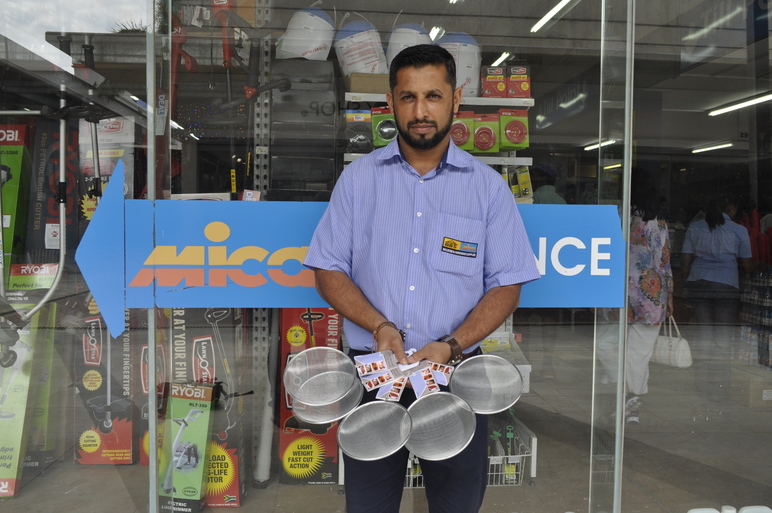
This is why BBS Mica in the Lifestyle Centre has decided to get on board and do their part for the clean-up effort. Mica are giving away 500 sieves to be used in collecting nurdles on the beach.
They can be tricky to separate from the sand, so the best method is to bring along a sieve and a bucket for water.
Sieve up the sand and nurdles, dump it in the water in your bucket – the sand will sink while the nurdles float.
Then you can simply scoop out the nurdles and deposit them in a bag to be dropped off at a collection point.
It is important to remember that scientists at CoastWatch KZN and the Oceanographic Research Institute (ORI) are appealing to people not to simply throw them in the rubbish, nor to attempt to set up their own recycling efforts.
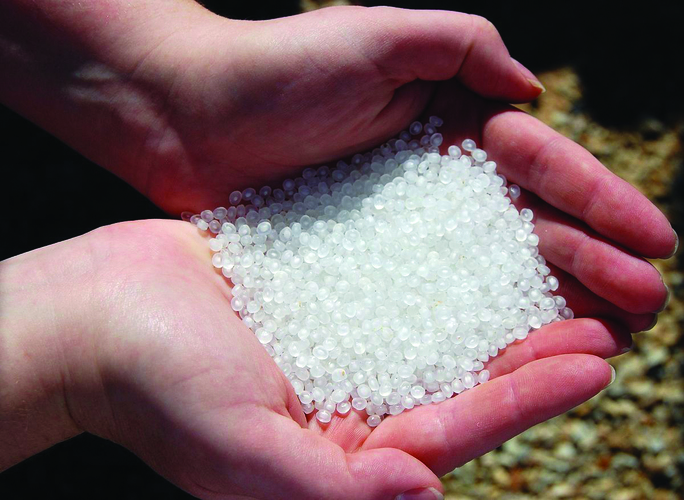
ORI also wants the public to use specific drop off points in order to keep track of where the nurdles are washing up and how much of the plastic has already been collected. On the North Coast there are dedicated drop off points at the recycling centre in Ballito in the parking lot of the Ballito Bay Mall and in Umhlali next to the BP garage.
The nurdle disaster unfolded when two containers fell off a Mediterranean Shipping Company (MSC) vessel in Durban harbour during August’s storms.
Each container on the MSC Susanna contained 990 bags of low and high density polyethylene packed in 25kg bags.
In total it is estimated that 49 tons of the pellets – or nurdles – washed into the ocean.
Also read: Nurdle clean-up operations underway
According to the Department of Environmental Affairs, nurdles are commonly made from synthetic substances, some are even derived from petrochemical products that give them high mouldability for the manufacture of familiar plastic products. In their raw stage (premoulded and pack – aged) they are not toxic to touch.
However, once released into the environment they attract harmful substances such as pesticides that end up in the ocean.
“BBS Mica encourages the Dolphin Coast community to come and collect a sieve from us to help clean up our beaches,” said manager Khalik Gaffar.
“Let us unite as a community to tackle this serious issue.”
>> Ready to say ‘I Do’ on the Dolphin Coast? Meet the team ready to advise, help and deliver on your big day.
>> Visit our Education feature for a collection of all the best schools, tutoring systems, and even some colleges and training facilities on the North Coast.

Do you want to receive news alerts via WhatsApp? Send us a WhatsApp message (not an sms) with your name and surname to 061 718 4438.
Please read our WhatsApp broadcast list disclaimer.
Join us on BBM at 59015786
Join the conversation on Facebook, Twitter and Instagram
Stay in the loop with The North Coast Courier on Facebook, X, Instagram & YouTube for the latest news.
Mobile users can join our WhatsApp Broadcast Service here, or if you’re on desktop, scan the QR code below.