Farming ubuntu style on the North Coast
Massive gaps and opportunities exist where commercial growers could step in and work with government to bring vast tracts of failed land reform projects back into production.

Commercial farmers need to up their efforts to step in and assist the largely failed government transformation programmes.
This would be the turning point for land issues, according to former North Coast farmer and land reform expert who works closely with the KZN sugarcane industry, Jimmy Lonsdale.
After 20 years’ experience in various agriculture transformation programmes, Lonsdale said massive gaps and opportunities exist where commercial growers could step in and work with government to bring vast tracts of failed land reform projects back into production.
“Firstly, there is so much vacant government land and you will see farms that were handed to black farmers in the land reform process that have either collapsed, or the land is under-stocked.
Secondly, equipment such as irrigation systems require maintenance or are not working at all. Production on these farms has often ground to a halt,” said Lonsdale, who now lives in Pietermaritzburg.
He explained that pointing out how many previous land reform projects failed would be incredibly difficult and said that one has to remember that “failure is in the eye of the beholder”.
“I have worked extensively with mentorship programmes where commercial growers have assisted rural communities to farm. Unfortunately, many farmers think that being a mentor means actually doing the work themselves. A mentor is someone who sits down with the community and helps them to set goals, draw up weekly plans, encourage and deliver feedback to the people. To be a mentor requires very special skills, they require intensive assistance.”
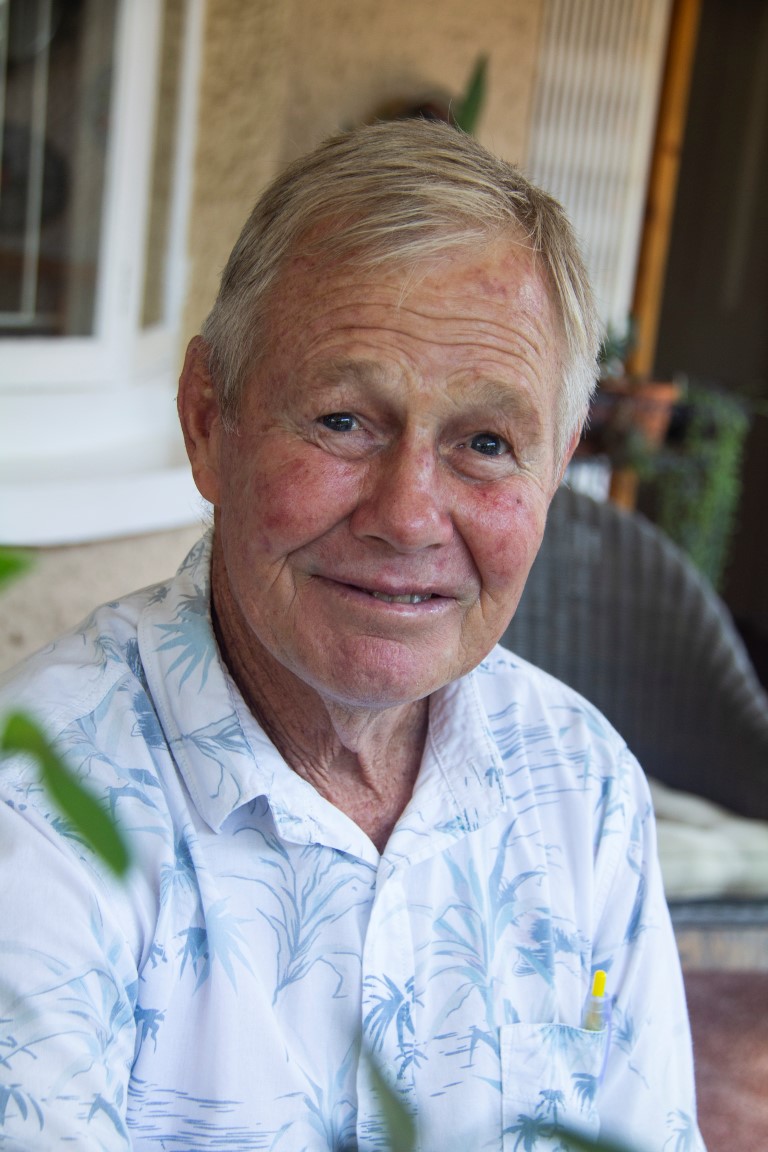
On the other hand, Lonsdale said many rural communities suffered from what he called “deprivation syndrome”.
“It is what some experts called learned hopelessness. We also have to really understand what the Nguni word ‘ubuntu’ means. Ubuntu at its most fundamental means if you are a member of a community and you have something that the rest don’t, you owe it to them to share.”
He believed the mindsets of the farmers, the state, the private sector and the rural communities had to change for his ideas to bear fruit.
“It is critically important for any investor to understand the ubuntu concept and to work with the communities to achieve success,” he said.
“We must also make farmers aware of the benefits of selling equity to workers. I believe this could reduce fears of losing a farm by expropriation without compensation. The end result is increased productivity, increased investment, as well as the required socio-economic transformation of the agricultural labour force,” he said.
Lonsdale said the attitude of commercial banks to small scale growers without equity partners was an opportunity for commercial growers to assist their neighbours.
“I think we need to stop talking about the failures of the past and look to the opportunities that can build a better future for agriculture. The opportunities are there, they are immense, all we need is a mindset change and a commitment to make it work mainly from commercial farmers and the private sector in partnership with the state.”
Lonsdale will address the 52nd United Nations Economic Commission for Africa Conference on the subject of eradicating rural poverty on the continent by 2030 at the end of the month.

Be the first to receive breaking news straight to your device with our newly launched push notifications! Simply visit our website and click on the icon shown above.
Do you want to receive news alerts via WhatsApp? Send us a WhatsApp message (not an sms) with your name and surname to 061 718 4438.
Please read our WhatsApp broadcast list disclaimer.
Join the conversation on Facebook, Twitter and Instagram
Stay in the loop with The North Coast Courier on Facebook, X, Instagram & YouTube for the latest news.
Mobile users can join our WhatsApp Broadcast Service here, or if you’re on desktop, scan the QR code below.