
Keep up the buzz and save the bees
The worrying decline of bees is especially high in urban and developing areas such as the North Coast.
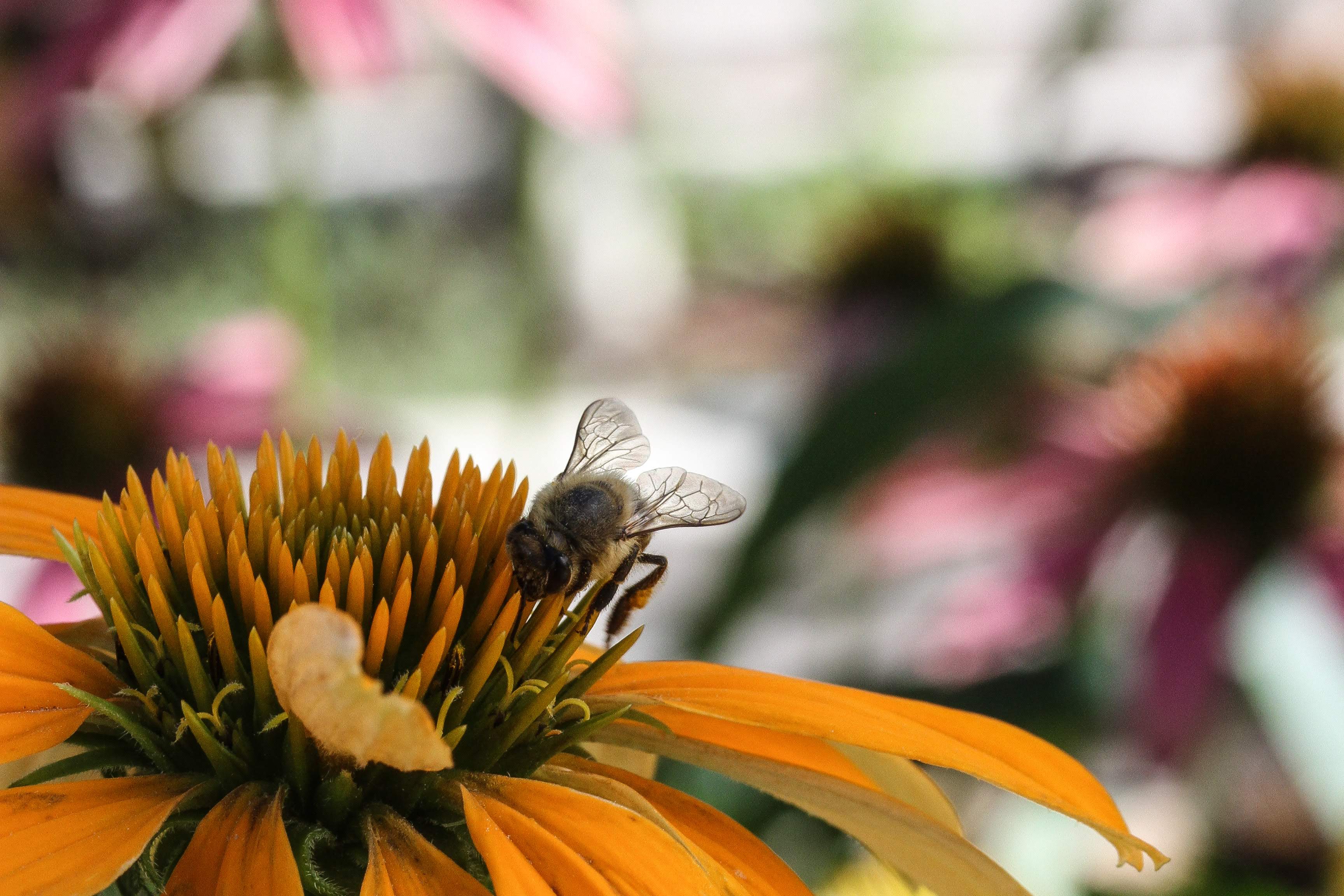
Bees are life – these little pollinators make sure more than a third of all our food crops and about 90 percent of wildflowers survive, thrive and flourish.
Yet these little busy bodies are rapidly declining globally which is why World Bee Day on May 20 focuses on the importance of making sure we help save the bees.
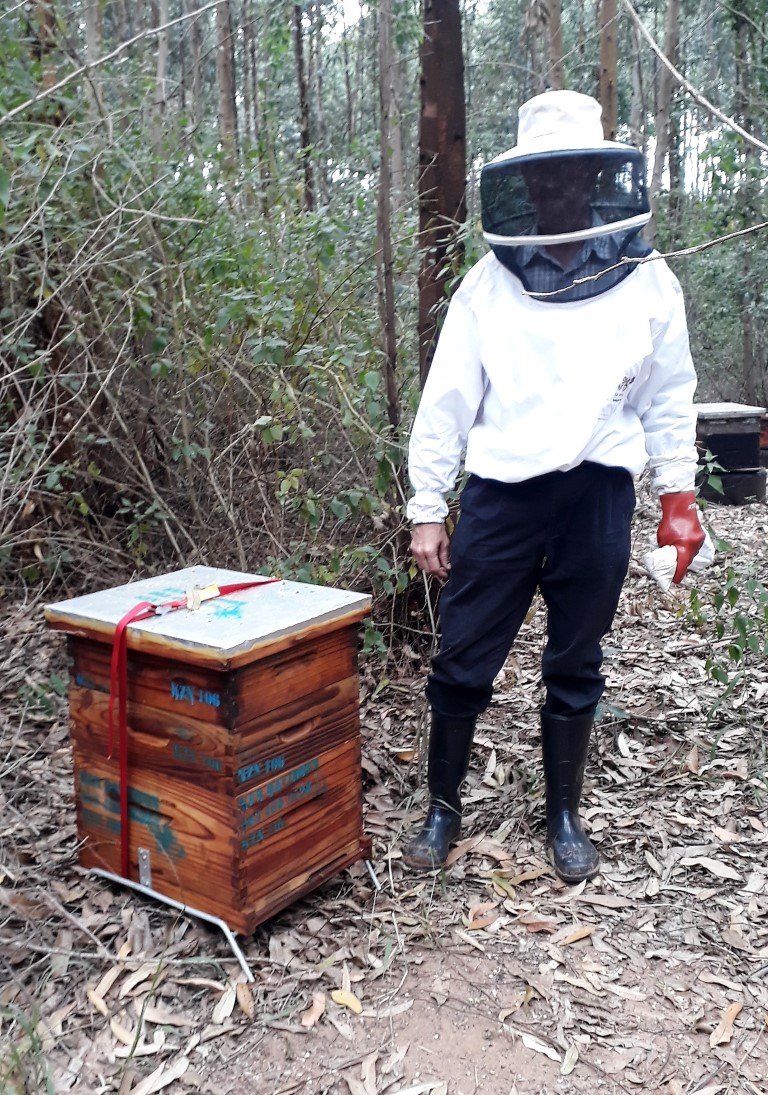
Hobby bee keeper Ken Davidson from Sheffield Beach said the worrying decline of bees is especially high in urban and developing areas such as the North Coast.
“As we build more houses, we remove more natural bush and use more pesticides which kills off worker bees and leads to colony collapse disorder.
“Also, when people find bees in their garden, they often choose the cheap way out which is to destroy them rather than have them removed professionally,” said Davidson.
Besides urbanisation, he said monoculture sugarcane farming is also problematic for bees.
Also read: Monkey mating season – what you need to know
“The North Coast is no easy place for a bee, as sugarcane only flowers when it is under stress and thinks it is going to die. There are also no weeds as they are sprayed and killed in the crops so those weeds that are good sources of pollen and nectar are destroyed.”
The increase of macadamia nut farming however calls for bees and can only thrive with their help.
“Macadamia farming relies on bees as the flowers have to be pollinated within about six weeks, depending on the variety. If it is not pollinated in time, there will be no nut.
“Depending on the size of the farm, you could have over 240 hives required for the pollination. Once the bees have done their work, they need to be removed from the farm when the crops are sprayed or during harvesting season.”
He said the way to help grow the bee population was to basically plant anything that flowers in your garden.
“Flowers will give bees the nectar and pollen they need. Going into winter, it is important to focus on plants that flower during this time to give the bees a boost. Plant water berry, coral tree, river or forest indigo or try a shrub like hairy blossom pea.”
If you are not sure what to plant, download Candide – a free, social and eco-conscious gardening app that will tell you which plants are most bee-welcoming by either identifying what you already have in your garden or telling you what you should add.
Three ways to support bees:
1.Support local
By buying local raw honey, you support local beekeepers and their bees, and consequently the environmental health of your town or city, as well as your own health.
2. Know your weeds.
Think about the bees before pulling out any weeds – some weeds are great sources of pollen and nectar for hardworking bees gathering their late food sources before winter comes.
3. Don’t swot the swarm
Swarming is a natural process that occurs when colonies of bees have outgrown their hive. If you see a swarm, contact a local beekeeper or beekeeper’s association, but be sure to choose an eco-conscious individual or group who will collect swarms to keep or relocate them to a safer new home rather than destroy them. Bees in a swarm are gentle and present very little danger, but can be made aggressive if disturbed or sprayed with water. Just leave them alone and wait for help to arrive.

Be the first to receive breaking news straight to your device with our newly launched push notifications! Simply visit our website and click on the icon shown above.
Do you want to receive news alerts from The North Coast Courier via WhatsApp? Send us a WhatsApp message (not an sms) with your name and surname to 061 718 4438.
Please read our WhatsApp broadcast list disclaimer.
Join the conversation on Facebook, Twitter and Instagram
Stay in the loop with The North Coast Courier on Facebook, X, Instagram & YouTube for the latest news.
Mobile users can join our WhatsApp Broadcast Service here, or if you’re on desktop, scan the QR code below.