

Meeting the demand for green-friendly homes – Ballito architect
If you are building a green-friendly home, it is advisable to create a home that uses as little energy as possible in the day-to-day running of the house.
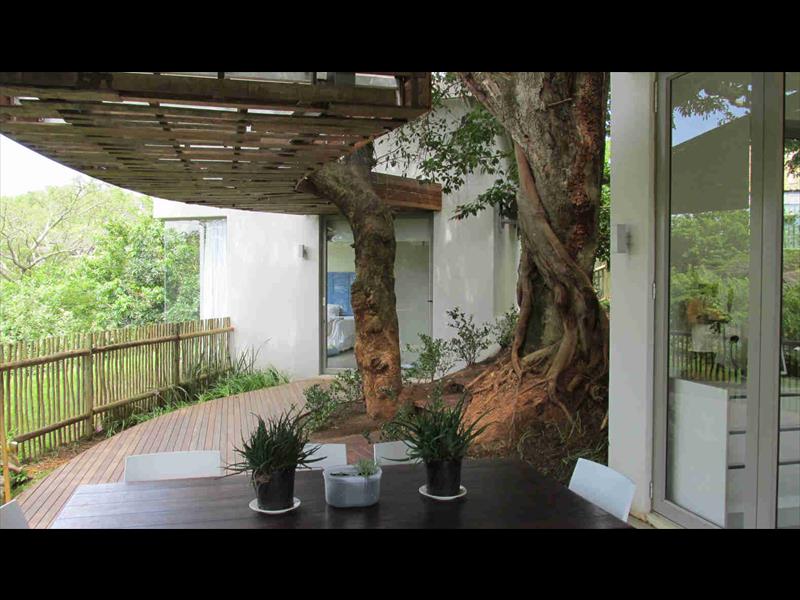
With the rising cost of electricity and the ever-present threat of load shedding, many people are looking to go green – either by making their existing home more eco-friendly, or building a totally new, mostly self-sufficient home.
Building a green home from scratch puts you at a huge advantage, said architect Mark Leslie-Smith.
It’s more difficult to green an existing home, however, it is not impossible. Leslie-Smith has built 80 green homes in Simbithi Eco Estate and 25 in Brettenwood Coastal Estate, and said he prefers to build green-friendly homes.
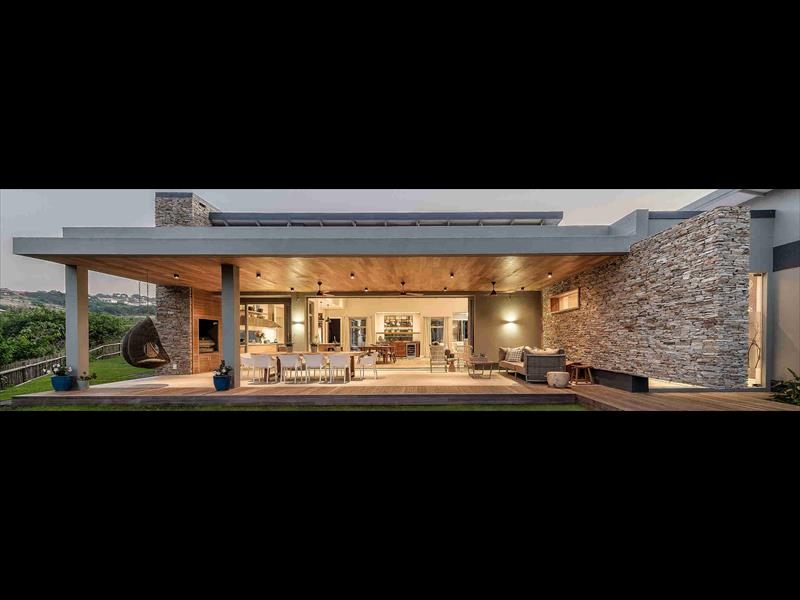
If you are building a green-friendly home, it is advisable to create a home that uses as little energy as possible in the day-to-day running of the house.
“It all comes down to heat,” said Leslie-Smith.
“If you can control it through good design, the energy use is less.”
The biggest users of energy are the things that involve heating or cooling – air conditioners and heaters, for example.
Heat coming in is easier to control via overhangs, orientation, screening effects and glass-type.
Heat going out is more difficult to control, and becomes very expensive.
The biggest loss of heat is through the glass in the windows, and then through the roof. To a lesser extent, heat is also lost through walls, but it is possible to insert a cavity within the walls to insulate against heat-loss.
Double glazing windows or low-E glass slows heat loss and helps to maintain temperature. Roof insulation also has to be good.
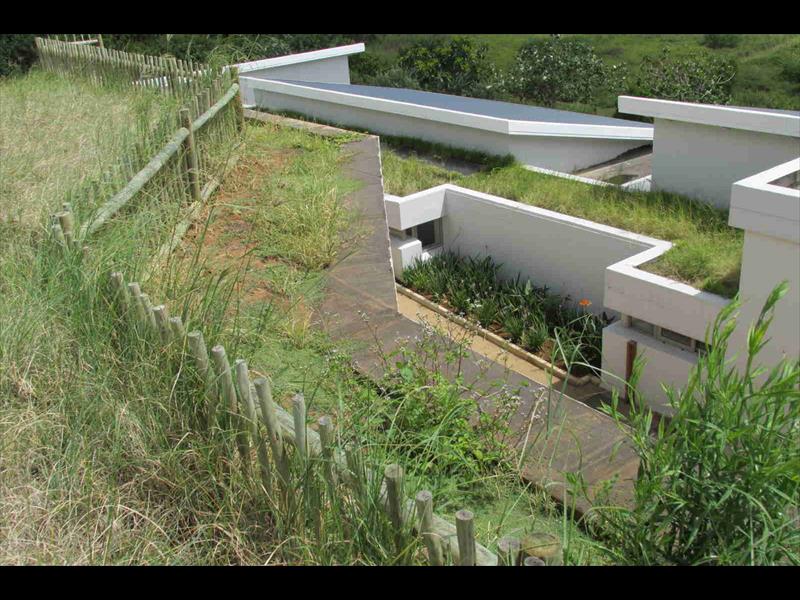
“If possible, and given the opportunity, I love to build green roofs.
‘This involves building a flat roof and planting grass or vegetation on top, which is self-insulating.”
Leslie-Smith also makes sure to use materials like timber and stone. The benefit is that they are readily available and not synthetically manufactured.
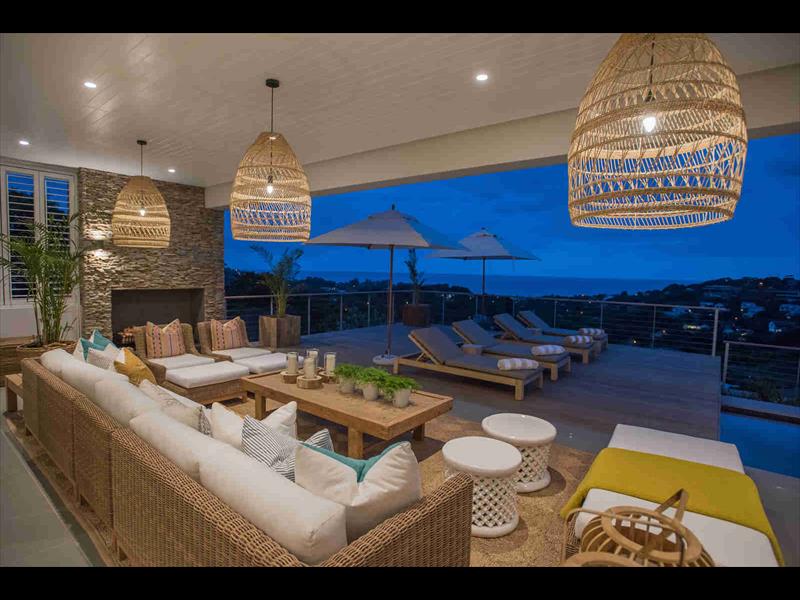
In keeping with the green home ethos, you are advised to integrate other systems such as solar water heating systems, which can save you around 30% of your home’s total energy usage. “These technologies are starting to come down in price,” said Leslie-Smith.
He also installs water-storage tanks that collect rainwater. This water can be used simply for gardening purposes or it can run through a filtration and sterilisation system that makes it safe for drinking.
But let’s say you are not looking to build a brand-new house – how can you make your existing home greener?
“There are many different systems on the market in order to save electricity and generate your own electricity.”
A grid-tie system generates electricity for direct usage from photovoltaic panels on the roof of the house. Essentially you are using electricity that you are generating yourself. Solar panels installed on the roof draw energy from the sun throughout the day which goes through an inverter into the house. This is as green as you can get, said Leslie-Smith. At night the system will revert to batteries which where powered up using the same system throughout the day.
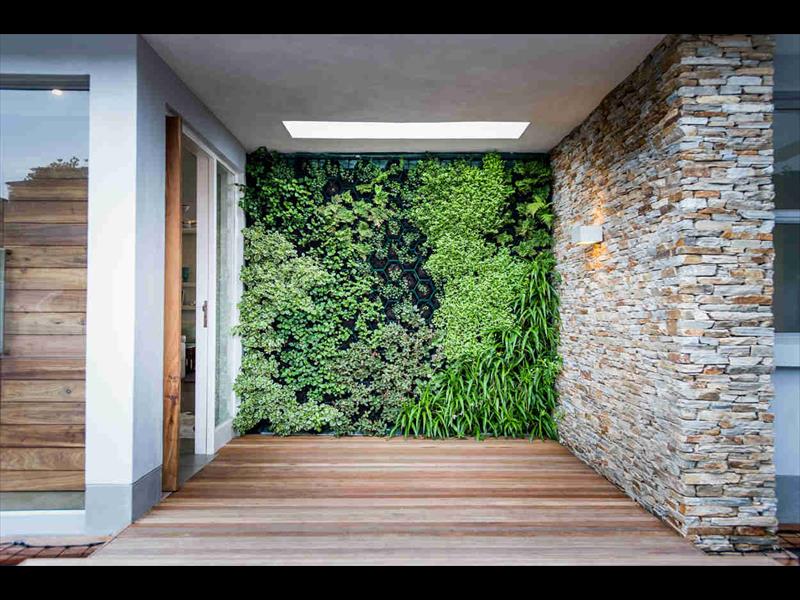
“Using a system like this, you generate your own electricity, and Eskom is just a backup, not the other way around.”
Of course, he says, batteries are not very green-friendly, but at this point there is no other way to store electrical power.
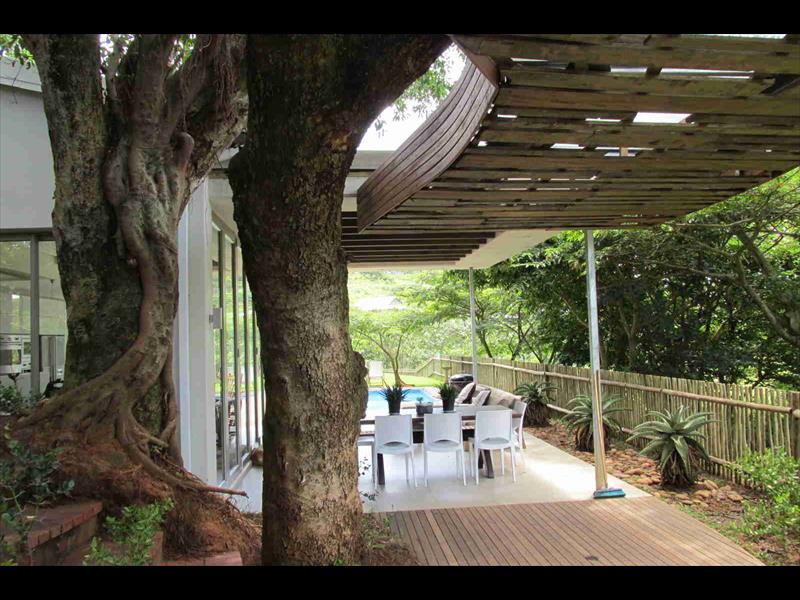
What would a system like this cost you? Leslie-Smith says a good system will cost you around R250 000. You can get a reasonable one for around R180 000. The price is always coming down. The important thing is to go for a trusted name, which uses quality components, especially batteries.
“It is an expensive thing, but you will save on your electricity bill”.
He believes the system will pay for itself within four to five years given the way Eskom’s prices are increasing – so it might be worth biting the bullet now.
Download The North Coast Courier mobile app, now available free from the Apple iStore and on Google Play, for IOS and Android phones.

Stay in the loop with The North Coast Courier on Facebook, X, Instagram & YouTube for the latest news.
Mobile users can join our WhatsApp Broadcast Service here, or if you’re on desktop, scan the QR code below.