

Driving in the rain: essential tips you need to know
Driving in wet conditions is a lot trickier than most people realise, chiefly because modern vehicles have electronic driver aids to do our thinking for us.
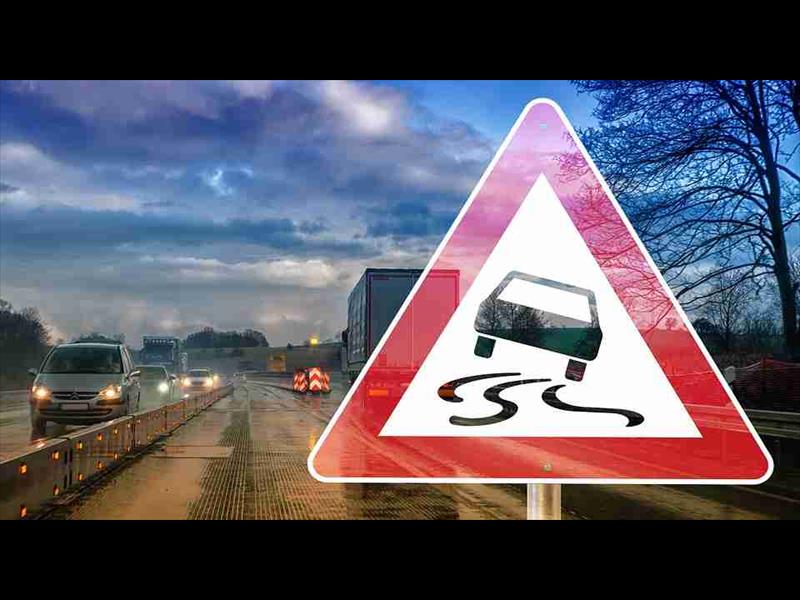
Driving in wet conditions is a lot trickier than most people realise, chiefly because modern vehicles have electronic driver aids to do our thinking for us.
Bearing in mind that the contact patch between the tyre and the floor is roughly the size of a hand, it’s valuable to get a firm grasp on the basic dynamics of staying in control of your vehicle in adverse weather.
Having driven in some of the worst conditions from black ice and packed snow in the Arctic circle to flash flood conditions in the tropics, here are seven golden tips to remember when the going gets slippery:
1. Slow and steady
Slow down to an acceptable pace. A road is actually more slippery in light rain, as all the ‘gunk’ lifts off the surface; heavier rain washes the road clean and actually provides a more stable grip. Drive at a speed that would allow whatever vehicle you drive to come to as sharp a stop as possible given the circumstances.
2. Do not rely on driver aids
A vehicle out of control is exactly that. People use electronic safety programmes as an excuse to drive over an acceptable speed, expecting these invisible features to be a saving grace. Consider that an average vehicle weighs close to a ton and travels at 100km/h – driver aids are not a substitute for the laws of physics.
3. Hold on tight
Keep both hands on the steering wheel at all times. This is often said but hydraulic steering systems give instant feedback to the steering wheel when traction is lost in the wet, lightening the steering feel felt as a contrast in vibration between both hands. This also cuts down split-second reaction times to detect this and adjust speed or direction accordingly.
ALSO READ: BMW 320D M-Sport: Stress relief by sheer exhilaration
4. Stay low
As best as possible, keep the car in a lower gear. Keeping the engine within the torque band of a lower gear on a wet surface pulls the wheels between deliberate acceleration and controlled engine braking, eliminating free-wheeling and drastically improving grip.
5. Lights on but low
Keep your lights on a dipped beam. While you want to be seen in heavy rain, using high beams lights only the first few metres of vapour and mist ahead and blinds you from seeing the road and other motorists.
6. Crystal clear
Crack your windows open slightly. Regulating the difference in air temperature between outside and inside the cockpit prevents the windows from fogging up.
7. Lean into the skid
If the vehicle slides, accelerate and steer into the skid (both front and rear wheel drive). The instinctive reaction to brake kills any remaining traction and sends the car hurling onto whatever trajectory its on. Accelerating gives the rear (lighter) end of the car a chance to regain traction, and steering into the skid transfers the centre of gravity back to a stable position.
Download The North Coast Courier mobile app, now available free from the Apple iStore and on Google Play, for IOS and Android phones.

Stay in the loop with The North Coast Courier on Facebook, X, Instagram & YouTube for the latest news.
Mobile users can join our WhatsApp Broadcast Service here, or if you’re on desktop, scan the QR code below.