

Snake activity set to increase after recent rains
Dolphin Coast snake catcher Neville Wolmarans has relocated six Black Mambas and four Forest Cobras in the last two weeks.
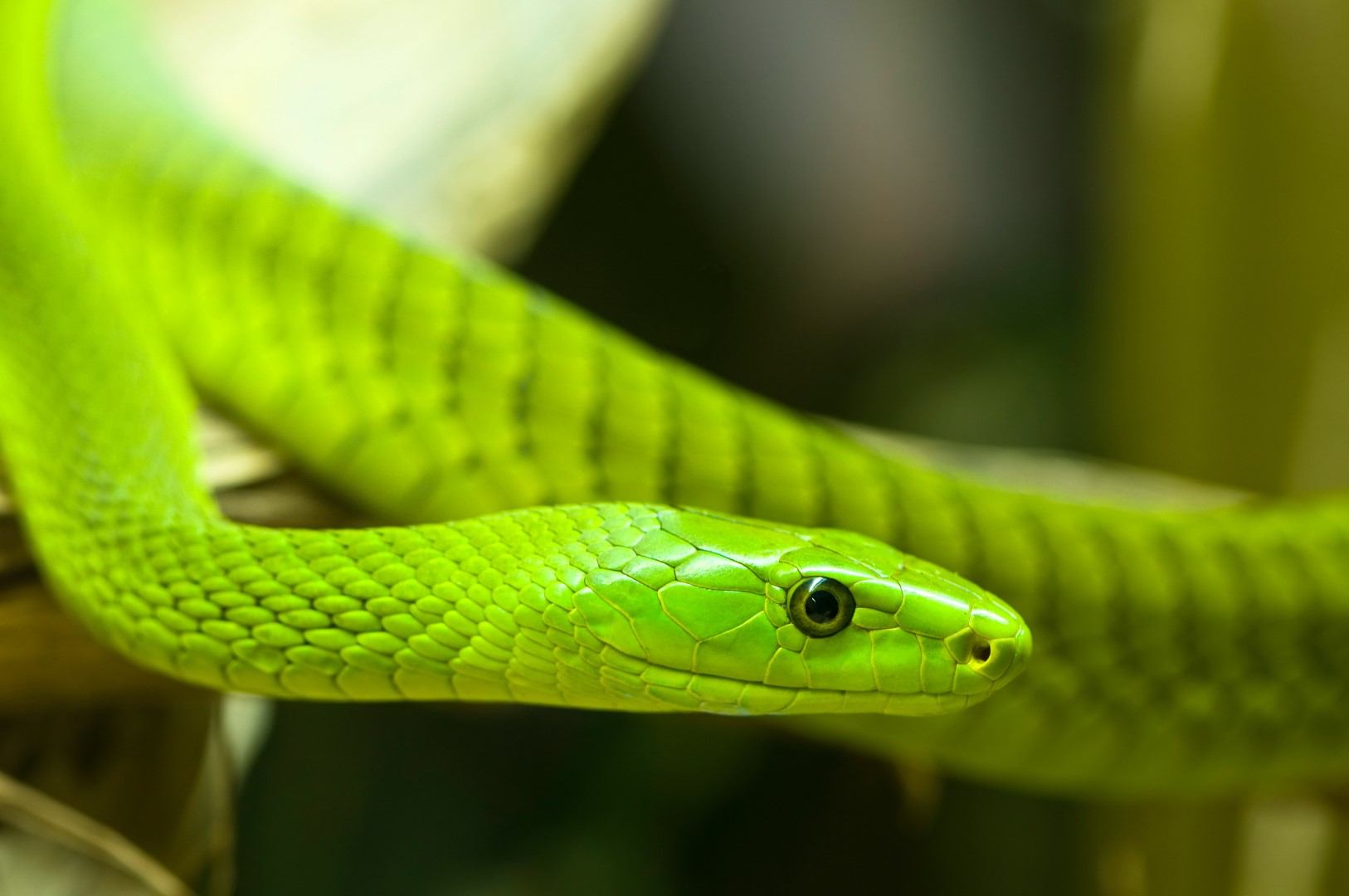
‘The only good snake, is a dead snake’ is perhaps one of the most commonly used lines when snakes become a topic of discussion however, local snake experts are urging people not to kill snakes, especially with their increased activity after the recent heavy rains.
Dolphin Coast snake catcher, Neville Wolmarans said people should be extra cautious once the rain stops.
“You need to be wary of any snake which is dark in appearance,” said Wolmarans.
Within the last two weeks, he said, they have managed to capture a total of six Black Mambas and four Forest Cobras.
A recent addition to the South Coast Crocworld Conservation Centre’s team, James Wittstock – who has an immense passion for all reptiles – explained that there are several snake species which live just below the ground and, are known to emerge after heavy rains.
Why snakes surface after heavy rains is not that difficult to understand.
Heavy rains see an increase in water levels which, in turn, reduces oxygen levels beneath the ground causing snakes to surface – while it is important to note that the majority of these snakes are harmless, some are not.
ALSO READ: WATCH: Four metre python and her young rescued at Zimbali
Most commonly found in the area is the harmless snake species Bibrons Blind Snake.
Another commonly found species is the Side Stabbing Adder which packs a potent cytotoxic venom – a bite from this snake, if left untreated, could result in the loss of a limb.
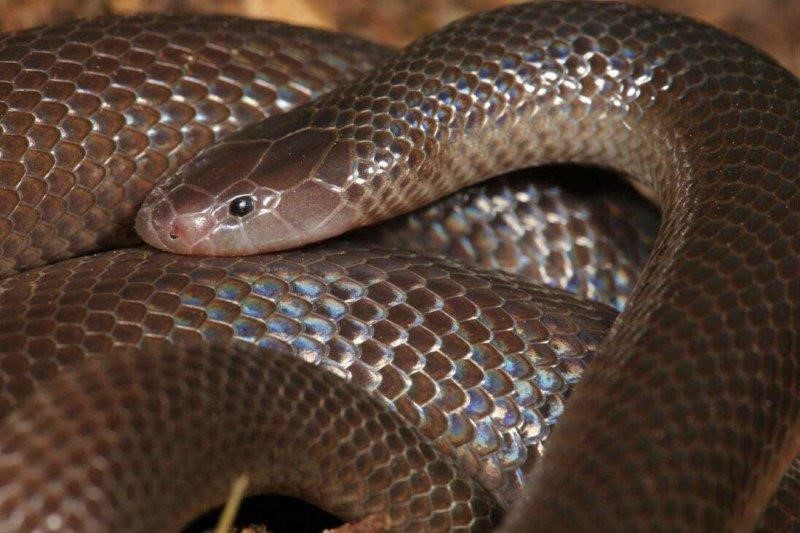
(Photo: Nick Evans)
The side Stabbing Adder, perhaps better known as the Southern Stiletto, is capable of inflicting a very painful bite.
A bite which causes moderate to severe swelling in most cases.
“The Stiletto snake is a small species of snake reaching lengths of about 40 to 50 cm with a small, flat head.
“To the untrained eye, they may appear to look harmless,” said Wittstock.
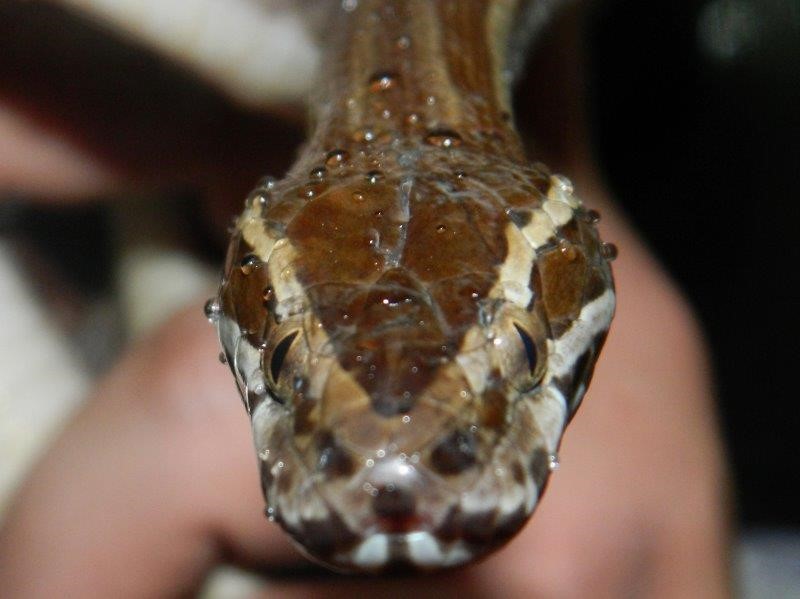
Stiletto’s are dark in colour and usually black. Their underbelly is described as being cream in colour and sometimes this extends up to the sides of the snake.
A threatened Stiletto will assume position by arching its neck, with the head facing ground-ward ready to bite.
“The heavy rains will also cause the more commonly seen terrestrial species to seek refuge – often in and around homes,” continued Wittstock.
“This is generally because they are seeking warmth and food.
“It is not uncommon for snakes to be found in the roofs of houses, where it is dry and they can hunt rats and geckos.”
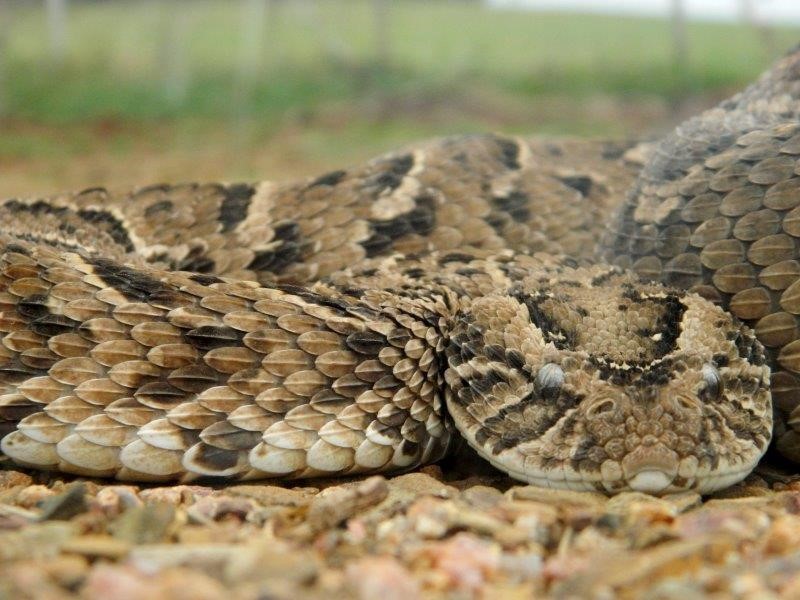
It was said that when someone comes across a snake, the best thing to do would be to keep an eye on it and monitor it from a safe distance while alerting a professional to retrieve the snake.
ALSO READ: Black Mamba bites Ballito snake catcher
Once collected, the snake will be relocated to a suitable habitat.
“Attempting to capture or kill the snake is both unnecessary and incredibly dangerous as it is when most bites occur,” said Wittstock.
Wolmarans also urged people who need snakes removed to rather reach out to a professional.
Neville Wolmarans can be reached at 082 561 4969.
Download The North Coast Courier mobile app, now available free from the Apple iStore and on Google Play, for IOS and Android phones.

Stay in the loop with The North Coast Courier on Facebook, X, Instagram & YouTube for the latest news.
Mobile users can join our WhatsApp Broadcast Service here, or if you’re on desktop, scan the QR code below.