

Lack of milling capacity hurts North Coast sugar industry
The South African Farmers Development Association (SAFDA) hailed the issue as a 'looming crisis of biblical proportions'.
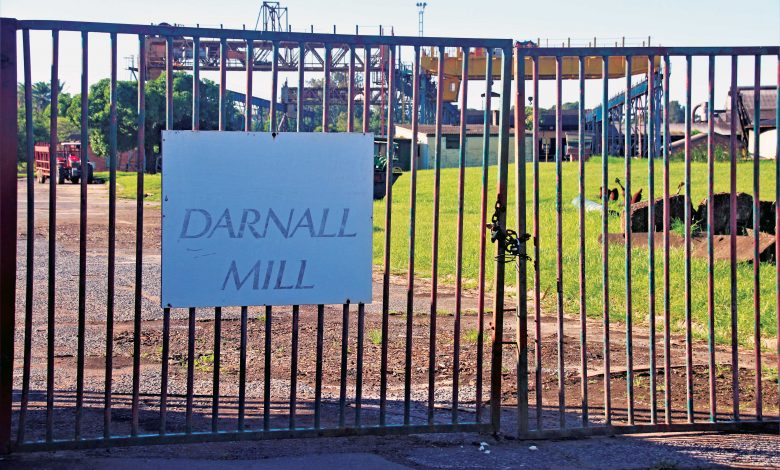
Following a year of Covid-19, unrest and the closure of 2 mills, the KwaZulu-Natal (KZN) sugar industry faces a crisis of inadequate milling capacity.
With about 10 weeks left in this year’s milling season, many small-scale and commercial farmers might be unable to mill the entirety of their crop.
The South African Farmers Development Association (SAFDA) hailed the issue as a ‘looming crisis of biblical proportions’.

KZN used to have 14 sugar mills, but both Darnall and Port Shepstone were closed down in the last 2 years.
This immediately put a strain on the milling capacity province-wide, says SAFDA, but the struggles of 2021 have only deepened the issue.
“We have obviously been affected by the mills being closed for a week during July, there were also breakdowns earlier in the year.
“Although the mills are trying to catch up with the demand, I think it is unlikely that more than 80% of my crop will be milled this season,” said Maphumulo farmer, Khethiwe Ngema.

This has direct knock-on effects for Ngema and her 511 staff.
“If we cannot mill the whole crop, then we do not have enough income for salaries or the inputs that go towards next year’s crop.”
Farmers and mill boards enter into an agreement regarding the volume of crop that they will produce over a year, which then gets allocated over the course of a milling season.
This means farmers are liable to produce ‘ratable deliveries’ at certain times throughout the season and mills are liable to crush it.
“In my case, lets say that I think I will produce 3 000 tonnes of cane over the season.
ALSO READ: Tongaat Hulett to close Darnall Mill leaving hundreds jobless
“This number gets divided to the point where I might have to deliver 200 tonnes of cane, 15 times,” said Doornkop farmer, Vusi Gumede.
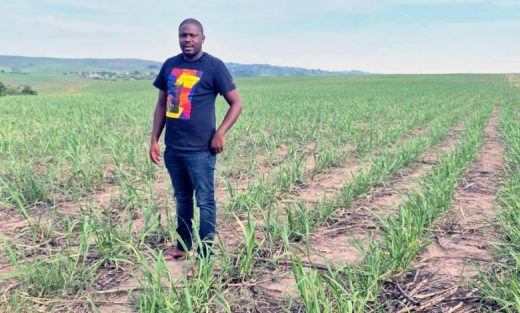
The problem comes when the mills fall behind schedule, which in 2021 happened most starkly as a result of the unrest.
“Farmers who had cut cane to be delivered that week could not do anything. Once you have cut cane you should have it transported the next day, 3 days at most or the purity will be rejected,” said Gumede.
Mills only take cane that tests at 75% purity or above. The longer you leave cut cane, the faster it reduces in quality, said Ngema.

While a big farming operation can weather a single ratable delivery being rejected, for many smaller farmers, it represents a significant portion of their income.
“At the end of this season there is likely to be about 2 million tons of sugarcane that will not be crushed, which is more than what small-scale growers deliver per season,” said SAFDA.
SAFDA further claimed that smaller farmers were being bulldozed by milling boards who used sugar regulations against them.
However both Gumede and Ngema indicated that their local mills were doing their best to accommodate all local farmers, even subsidizing transport costs to further flung mills with crushing capacity.
ALSO READ: Retrenched legacy workers demand ‘alternative solution’ amid closure of Darnall sugar mill
The South African Sugar Millers Association (SASMA) agreed that there was a problem with milling capacity and said local millers would find ways to crush as much crop as possible.
“SASMA is aware of the challenges faced in crushing the full sugarcane crop in the current season, in some cane supply areas.
“Processing the crop has been exacerbated by the civil unrest in KwaZulu-Natal which closed mills for between one to two weeks during the peak crushing season during July.”
“The management of the cane supply and crushing of sugarcane in each local mill area is dealt with by the mill group board, a body where both the millers and growers have representation.
“These bodies will be making plans to deal with the challenges of crushing the crop for the current season,” said CEO Deane Rossler.
If farmers can survive this year, they will be party to significant transformation initiatives in the industry as part of the sugar master plan which was signed in 2020.
It aims to diversify the production chain in the sugar industry, while also instituting a premium price to be paid for cane, set to be introduced in January 2022.
For breaking news follow The North Coast Courier on Facebook, Twitter, Instagram and YouTube.

Stay in the loop with The North Coast Courier on Facebook, X, Instagram & YouTube for the latest news.
Mobile users can join our WhatsApp Broadcast Service here, or if you’re on desktop, scan the QR code below.