Reinvent your patio or courtyard by creating living walls.
Vertical gardening allows you to grow more plants without sacrificing space, and turns your garden into an aerial delight.
This less conventional gardening landscape can also be used to screen undesirable views – like your neighbour’s carport!
Wall gardens may require more frequent watering and fertilizing. They might also be heavy so ensure your wall can handle the weight.
Some ideas to get started:
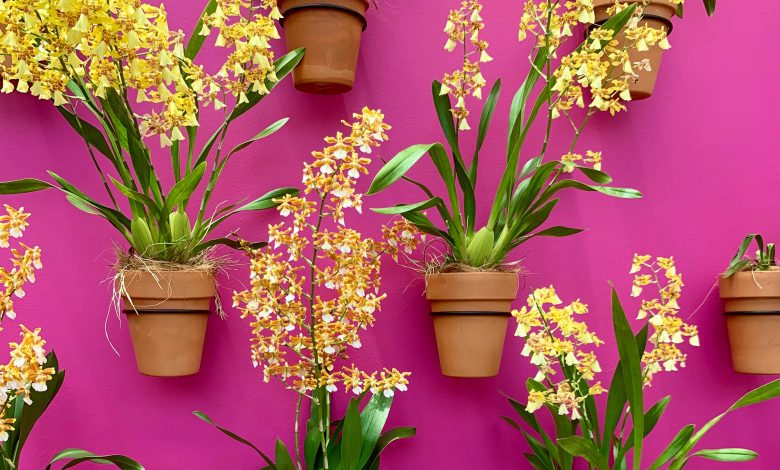
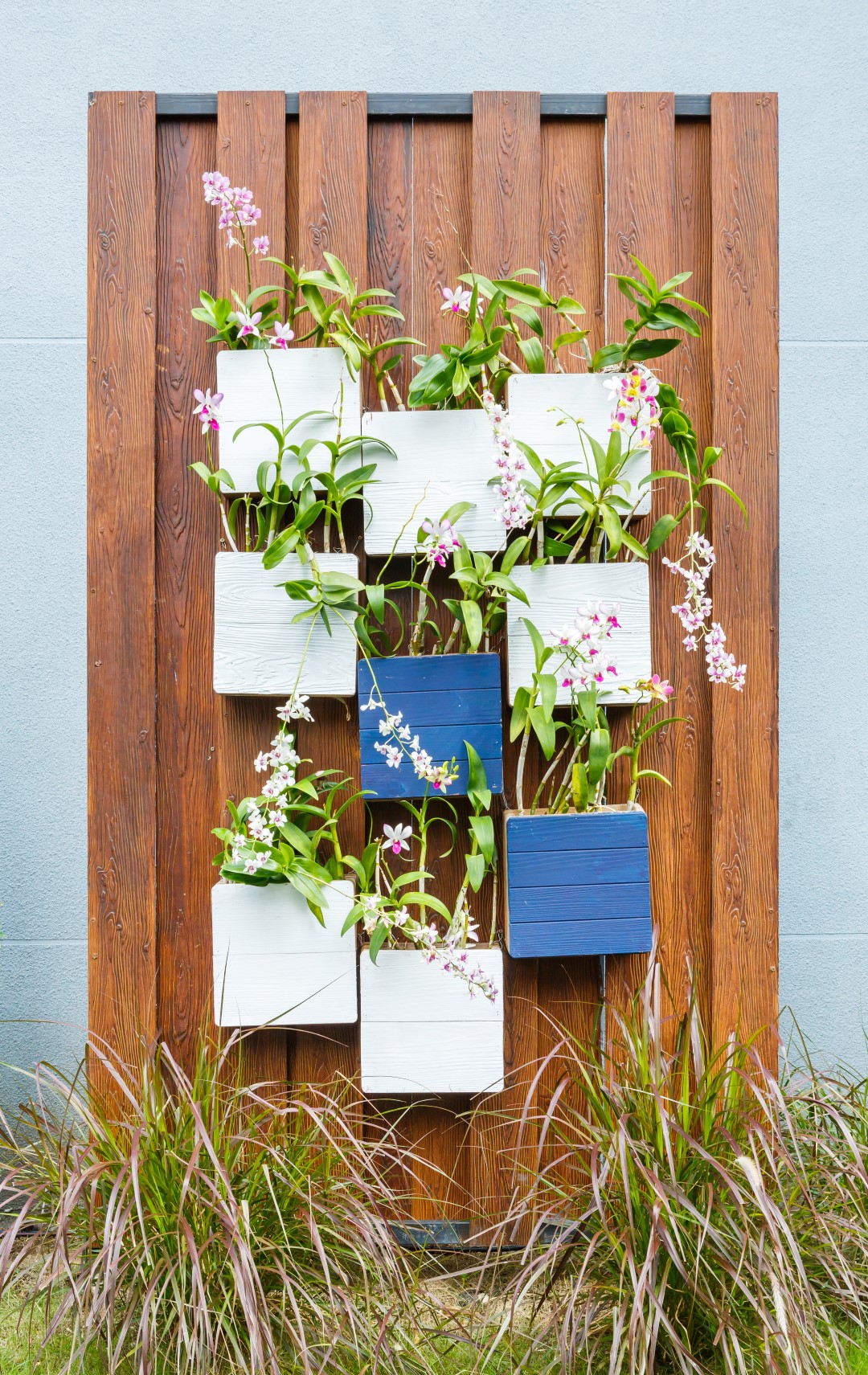
It could be as simple as a wall covered by climbing plants or as complex as you desire using a wall container system in which plants are fitted in crevices or planted in containers which allow plants to grow vertically and cover all or part of a wall. Make sure the planter is securely fastened to a wall and has a flat back.
Recycle old cooldrink bottles to be used as containers. Securely fasten these onto a wooden frame or other overhead or vertical structures using wire or fishing line.* For a vertical vegetable or herb garden, tie 2 bamboo poles together to form an A-frame. Stretch garden netting across the frame to provide support for beans, tomatoes and other plants.
Some vertical garden planters are soilless and can even include irrigation systems.
Hanging baskets can create added interest by breaking the horizontal plane of gardening.
Beautiful vertical garden in city around office buildingChoosing your plants:
Use the landscape architect’s container rule of ‘thrillers, fillers and spillers’.
Thrillers are taller, visually striking plants which go in the centre or toward the back of a container. They are eye-catching from all angles.
Fillers are rounder plants, filling in the centre of a container. They make containers look fuller.
Spillers trail over the container’s edges. Plant them close to the sides so that they can reach up and spillover.
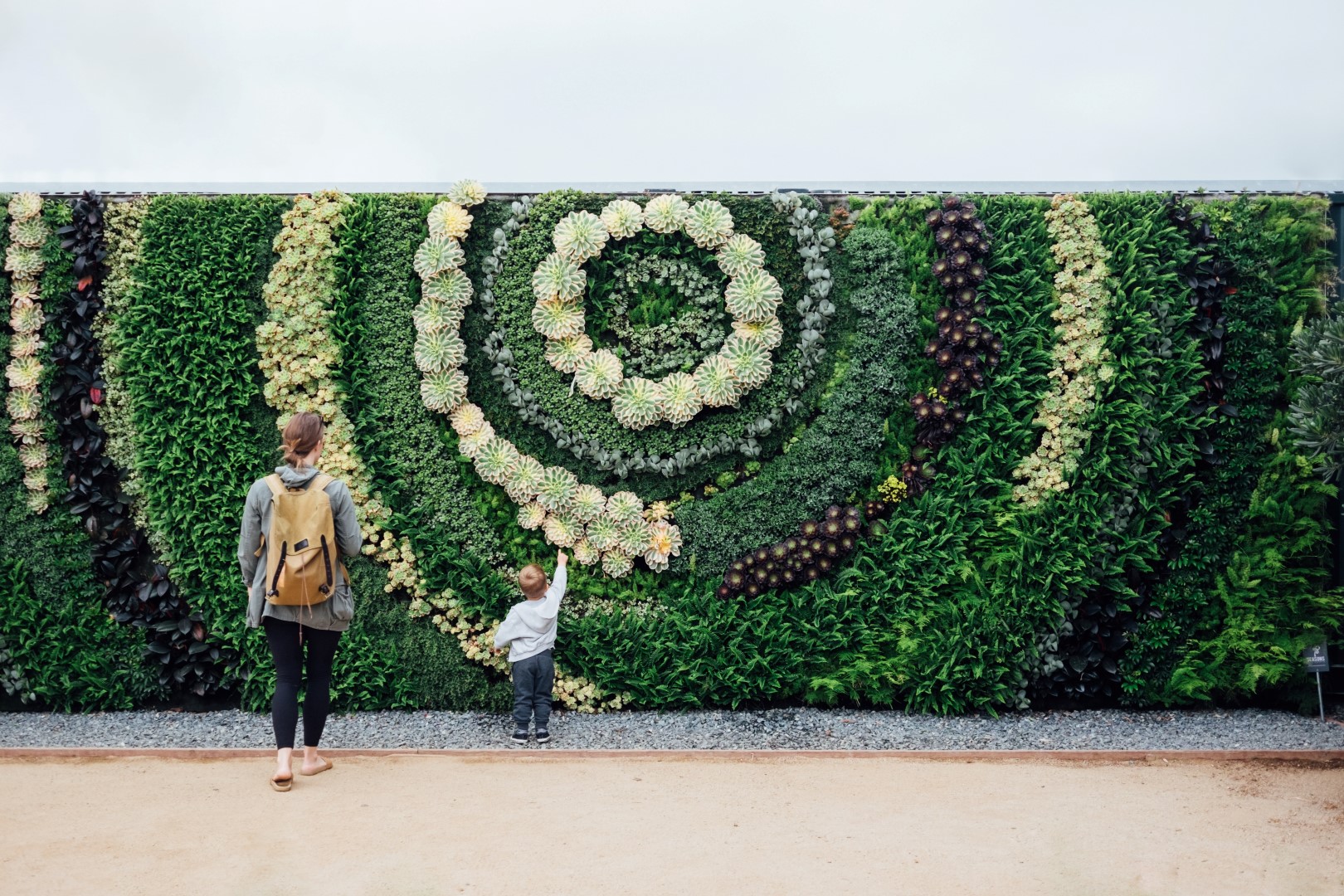
Trailing plants, like ground covers and creepers, can be planted near the top and allowed to grow downward. These can also be planted lower, fastening tendrils to trellis or a net to train them to grow upward.* Succulents work well, and are drought tolerant. Their rich colour, texture and unusual shape create interesting wall art and tapestries.