

Banish bedwetting nightmares with these simple tips
Did you know that boys are twice as likely to wet the bed?

It is soul destroying as a parent to watch your child struggle with bedwetting, not to mention a source of intense frustration and mounds of washing too!
I would love to share some of the helpful facts around bedwetting which can provide solutions to both child and caregiver.
Bedwetting, also called nocturnal enuresis, is a common problem among children. It is defined as consistent, involuntary wetting of the bed after the age of 5.
Boys are twice as likely as girls to wet the bed. For many children bedwetting resolves on its own without treatment.
It can persist however, and this is a cause of concern for both the child and the parent.
Some truths about bedwetting:
- Bedwetting can be classed as primary (child has never achieved 6 months of continuously dry nights), or secondary (child has been previously dry for 6 months and has relapsed).
- Eighty percent of children wet the bed within the first 4 hours of going to bed, 20% in the last 2 hours prior to waking up.
- One of the most common causes of bedwetting is constipation. As stool collects in the rectum and hardens it causes the rectum to stretch, thereby putting pressure on the bladder.
- A family history of bedwetting can predispose a child to bedwetting.
- Emotional stressors and changes such as the arrival of a new sibling or vacations, can exasperate bedwetting but are not the cause. It is more related to the associated change in routines; altered diet, toilet patterns or behaviour.
- It is not the child’s fault nor is it yours as the caregiver. Nor is it laziness or willful behaviour.
Top tips to prevent bedwetting:
- Urinate just before going to bed and first thing after waking.
- Encourage little boys to sit to urinate, especially at the last void of the day (this ensures better emptying).
- Stop fluids 2 hours prior to bedtime.
- Ensure the child is passing stool daily and that the stool has the consistency of firm, soft-serve ice cream and is a well-formed sausage.
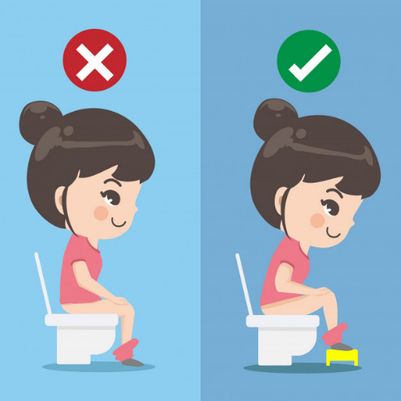
- Ensure your child is sitting in a good position on the toilet, both to pass stool and urine – with a footstool and if needed a toilet seat narrower).
- Check that your child passes urine when he/she needs to in the day, for example not withholding at school.
If you are concerned regarding your child’s bedwetting, contact your GP, urologist or pelvic health physiotherapists.
A helpful website is bedwettingandaccidents.com.
Salt Rock resident Tarryn Graham has a BSc in Physiotherapy from Stellenbosch University, and has a special interest in and further training in women’s health physiotherapy. She has 12 years’ experience in women’s health and pelvic floor physiotherapy.
For breaking news follow The North Coast Courier on Facebook, Twitter, Instagram and YouTube.
Join our Telegram Broadcast Service at: https://t.me/joinchat/yJULuN8NaCs5OGM0
Join our WhatsApp Broadcast Service: Simply add 082 792 9405 (North Coast Courier) as a contact to your phone, and WhatsApp your name and surname to the same number to be added.
Stay in the loop with The North Coast Courier on Facebook, X, Instagram & YouTube for the latest news.
Mobile users can join our WhatsApp Broadcast Service here, or if you’re on desktop, scan the QR code below.