

Umdloti: The history of a hamlet
It officially became the Umdloti-Newsel Township in 1932, bolstered by the construction of the coastal M4, which was completed in 1959.
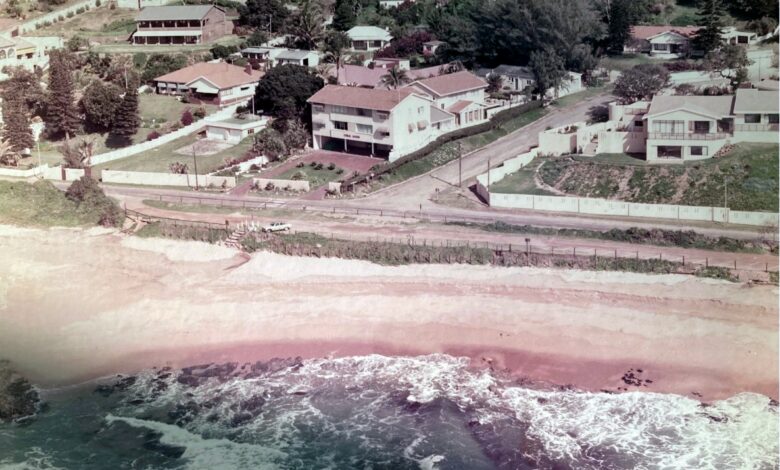
Like most modern North Coast towns, Umdloti was built on the back of sugar cane speculation.
According to research done by Umdloti resident Richard Siedle, the area was first developed by the Byrne settlers in 1850, who consolidated a unit of 1 072 acres at Cottonlands.
This area was sold on to property speculator Melidor Cheron in 1890, and later to the mayor of Durban, William Arbuckle.
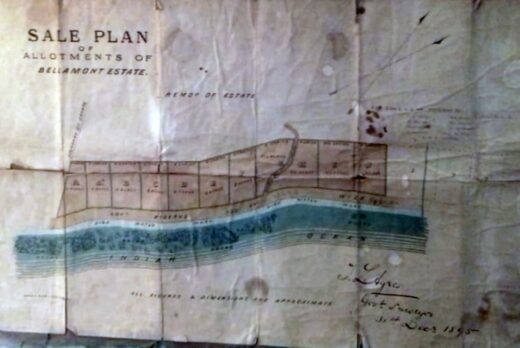
Arbuckle bought a further 229 acres, creating the Bellamont Estate, which became a functioning sugar cane farm – mirroring Mauritian-settled sugar cane farms inland near Verulam.
The first homes in Umdloti Beach were part of an 1895 subdivision of Bellamont Estate that included 16 five acre plots and a larger plot of 65 acres.
In the following 17 years, all of the plots would be sold off, while the remainder of the estate was leased to Hippolyte Lavoipierre who owned a farm across the Umdloti River.
After both Arbuckle and Lavoipierre died, the remaining 65 acre beachfront plot (around 1.5km of beachfront land) was taken over by Lavoipierre’s heirs.
To reach the area, Durban travellers initially had to travel to Verulam, then down a farm road alongside the south bank of the Umdloti River. A servitude through the main estate would allow easier access in 1927.
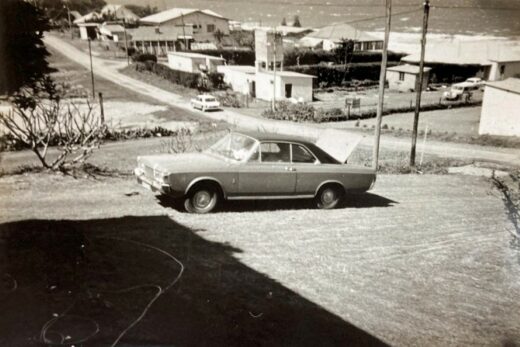
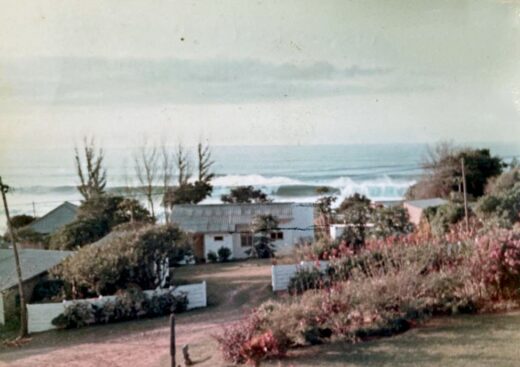
Photo: Bonnin’s Estates.
Suddenly the area became feasible for day visitors, as described by Lavoipierre’s widow Pauline that same year.
“Every Sunday we go by car for a drive along our sea side which has become a fashionable beach since we had a road built in order to sell our lots. There is on Sunday a crowd of cars and bathers and under the large trees they set up small tables and chairs for tea. We leave this crowd behind and go further away and, having brought enough to read, breathe the sea air,” she wrote.
Wider development of beach cottages and infrastructure began too, and by 1948, there were 50 dwellings, two small hotels and a shop.
It officially became the Umdloti-Newsel Township in 1932, bolstered by the construction of the coastal M4, which was completed in 1959.
“It has been reported that on the third day after the opening of the new road in October, which was a public holiday, approximately a thousand motor cars were involved in a traffic jam along the entire beachfront, which it took the combined efforts of the South African Police force from Verulam and Greenwood Park six hours to clear. The population of Umdloti at that time was only 378 people,” wrote Siedle.
With access and better water, sewerage and electrical infrastructure in place, the town continued to develop, later becoming one of the best loved small towns in the province.
Per Bonnin’s Estates, who arrived in the area in the 1970s, one of the major issues the town faced was that of exotic flora that was planted in ignorance by settlers.
It meant there was a firm delineation between the forest and the town and the local wildlife population dwindled.
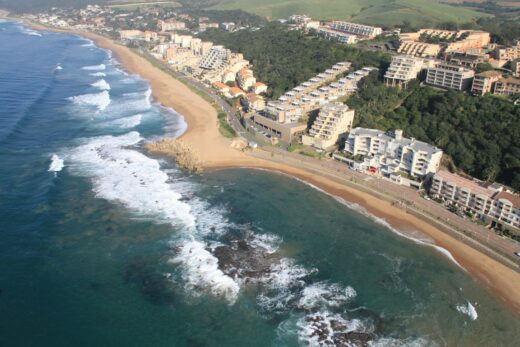
The problem was later addressed by the establishment of the Umdloti Conservancy, who promoted indigenous planting which ensured the natural wildlife had a forest belt all the way to the beach.
To this day, a wide range of bird and wildlife can be spotted from the comfort of Umdloti homes.
The town was incorporated into the Borough of Umhlanga in 1993, before being absorbed into the eThekwini Municipality.
Thanks to Richard Siedle, Bonnin’s Estates and Warren Loader for their contributions.
Follow The North Coast Courier on Facebook, Twitter, Instagram & YouTube for breaking news
Telegram Broadcast Service: https://t.me/joinchat/yJULuN8NaCs5OGM0
WhatsApp Broadcast Service: Add The Courier to WhatsApp at 082 792 9405 and WhatsApp your name and surname to be added.

Stay in the loop with The North Coast Courier on Facebook, X, Instagram & YouTube for the latest news.
Mobile users can join our WhatsApp Broadcast Service here, or if you’re on desktop, scan the QR code below.