

Unpacking the cycle of domestic abuse with a Ballito psychologist
Societal gender roles, economic dependence and victim-blaming leave many women trapped in abusive relationships.
Domestic violence continues to be a major problem across all socio-economic backgrounds on the North Coast.
The Rise Up Movement founder, Josha Daniel, says domestic violence occurs in the higher-income residential areas and private estates, not just in disadvantaged communities.
“Domestic violence is a pandemic in our country!” said Daniel.
“Alcohol and drug abuse and financial strain are the main contributing factors.”
He said domestic violence often went unreported, or cases are dropped because women sometimes feel they have no option but to remain in abusive relationships.
“Women want to stay in their relationships but for their partners or husbands not to be arrested, just threatened with arrest,” said Daniel. “Cases are reported but then dropped by the victims because the men are often the sole provider.”
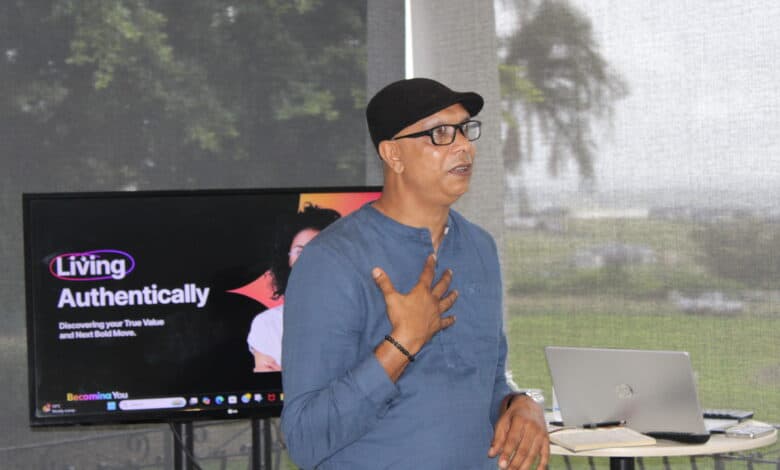
Ballito psychologist, Dr Candice Rae Leith, who works with both women and men who have experienced domestic violence, agrees. Dr Leith’s work focuses on how cultural and social dynamics shape identity and the construction of gender, particularly in relation to women’s disempowerment and violence.
“Domestic violence is a significant issue in Ballito, as it is throughout South Africa.”
“Accurate statistics are challenging to obtain due to underreporting. Alcohol and drug use can escalate aggression, lower inhibitions and impair judgment, increasing the likelihood of violent behaviour, but abusers use this as an excuse,” she said.
“Many abusers use substances as an excuse for their actions, though violence is ultimately about control, not addiction. Victims of domestic violence often stay in abusive relationships due to societal gender constructions and the psychological cycle of abuse.”
Leith also noted that it is not easy for abuse victims to leave their violent partners because traditional gender roles normalise female submission and endurance, while economic dependence, stigma and victim-blaming also discourage leaving.
“The cycle of abuse – tension building, explosive incidents, reconciliation and a temporary calm – creates emotional dependence, making escape difficult. Psychological manipulation, fear, trauma bonding and social pressures further trap victims.
“Breaking this cycle requires challenging gender norms, empowering victims with financial and legal support and raising awareness to help them recognise abuse and seek help.”
Stay in the loop with The North Coast Courier on Facebook, X, Instagram & YouTube for the latest news.
Mobile users can join our WhatsApp Broadcast Service here or if you’re on desktop, scan the QR code below.

Stay in the loop with The North Coast Courier on Facebook, X, Instagram & YouTube for the latest news.
Mobile users can join our WhatsApp Broadcast Service here, or if you’re on desktop, scan the QR code below.