

Introducing solids to your baby’s diet can be exciting instead of scary
With a bit of planning the new experiences can be a fun journey for you and your child.
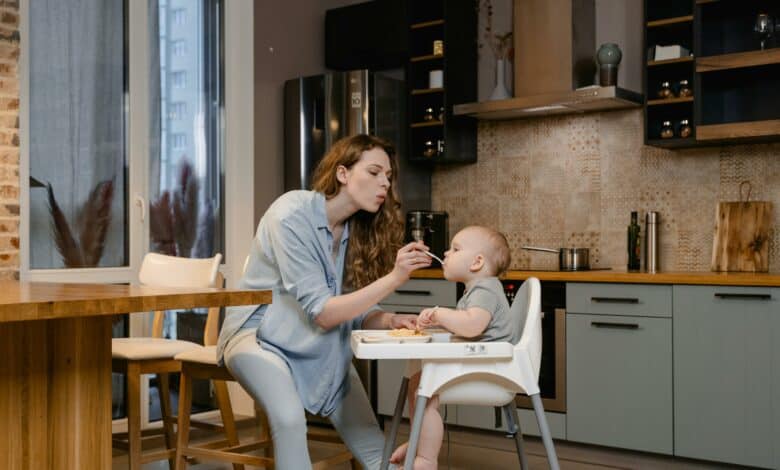
At around six months, your baby reaches an important milestone – it’s time to begin introducing solid foods. This marks the transition from milk-only nutrition to a new world of flavours, textures and experiences. While it can feel overwhelming at first, with the right approach, weaning can be an exciting and rewarding journey for both you and your baby.
Where to start
The World Health Organization recommends introducing solids at six months, although some babies may show readiness earlier, but never before 17 weeks. Signs of readiness include sitting with support, showing interest in food and being able to move food to the back of the mouth for swallowing.
Start with soft, easy-to-digest options such as puréed vegetables (butternut, sweet potato, carrot), iron-fortified cereals, or fruits like steamed apple and pear. Offer one to two teaspoons at a time, gradually increasing quantity as your baby adjusts.
One new food at a time
Weaning is a taste and texture adventure; grow the variety of foods you offer by introducing something new every day.
If your baby has a history of allergy, it’s important to introduce one food at a time guided by your dietitian and waiting about three days before adding another new food. This allows you to monitor for any potential allergic reactions, which may include skin rashes, swelling or an upset stomach. If any of these symptoms occur, discontinue the new food and consult your paediatric dietitian.
Start by introducing one meal daily at a time of day when your baby is happy and alert.
Progress to a second and third meal daily over a couple of weeks as your baby is ready so that they have a breakfast lunch and dinner routine with milk feeds in-between.
Purée, finger foods or both?
Offering a variety of textures is essential for oral development. Soft, bite-sized finger foods can be introduced early, even alongside puréed options.

Traditional weaning involves spoon-feeding puréed foods, gradually progressing to mashed and chopped textures. This structured method reassures many parents but your baby should not remain on purées for too long.
Baby-led weaning (BLW) is a more hands-off approach where babies are encouraged to feed themselves from the very beginning. Instead of purées, BLW introduces soft, finger-sized pieces of whole foods like steamed vegetables, fruits and soft meats, allowing babies to explore different textures and flavours. The theory behind BLW is that it fosters self-regulation of food intake, encourages the development of fine motor skills and allows babies to explore food at their own pace.
This method also promotes family mealtime participation, as babies are often eating the same foods as the rest of the family (with modifications for safety).
If using both styles, start with a combination of soft finger foods and purées and steadily introduce more texture. Progress the purée to mashed or chopped foods allowing your baby to practice chewing and swallowing.
Stay positive
Not every mealtime will go smoothly. Be patient, offer foods repeatedly and avoid pressuring your baby. Focus on making mealtimes enjoyable and stress-free.
Introducing solids is a messy but exciting phase. Use this time as a window of opportunity to set the stage for a lifetime of good nutrition and healthy eating habits.

Nutrition Innovated dietitian and lactation consultant Claire McHugh has over 20 years’ experience. Specialising in infant and paediatric nutrition, Claire emphasises the importance of nourishing the entire family. Claire is based at Northcare Medical in Simbithi. Contact: 032 815 0630.
Stay in the loop with The North Coast Courier on Facebook, X, Instagram & YouTube for the latest news.
Mobile users can join our WhatsApp Broadcast Service here or if you’re on desktop, scan the QR code below.

Stay in the loop with The North Coast Courier on Facebook, X, Instagram & YouTube for the latest news.
Mobile users can join our WhatsApp Broadcast Service here, or if you’re on desktop, scan the QR code below.