

The history of the sugar empire that built the North Coast
Between Umdloti in the south and KwaDukuza in the north, these towns boast rich histories stretching back generations.
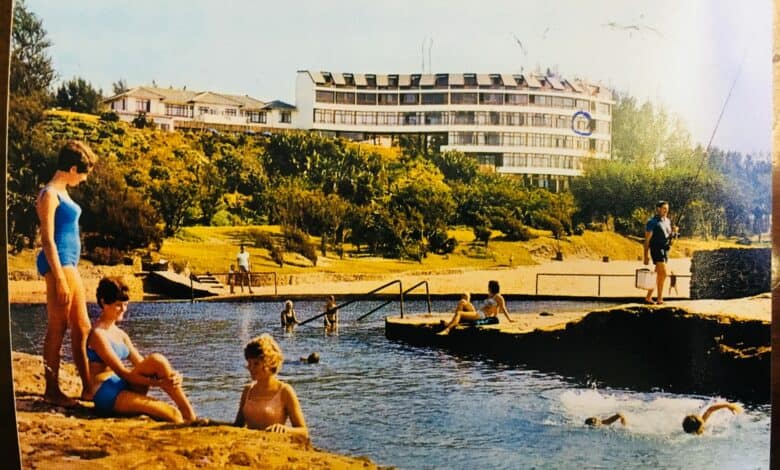
The North Coast is a place of great natural beauty, but many people keep returning because of the charm of its small towns.
Between Umdloti in the south and KwaDukuza in the north, these towns boast rich histories stretching back generations.
It is no secret that sugar cane is central to the North Coast’s story. When the first settlers arrived in the 1840s, the area was dominated by coastal forests and wildlife.
The majority of tribal lands were concentrated further north, from KwaDukuza into Zululand. Early missionaries like Reverend Aldin Grout, after whom Groutville is named, arrived in 1840 and were soon followed by pioneering farmers.
Birth of the sugar empire
Englishman Edmund Morewood, who established a farm at Compensation in 1846, is widely regarded as the father of South Africa’s sugar industry. He used seeds from Mauritius to demonstrate proof of concept for cane growth in the area.
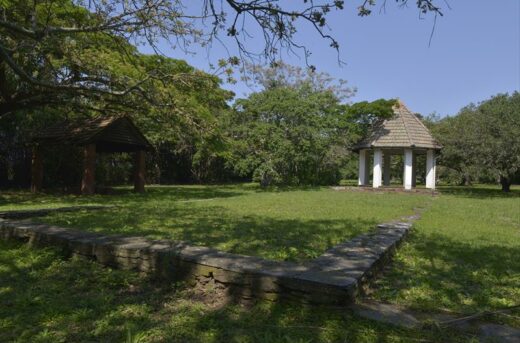
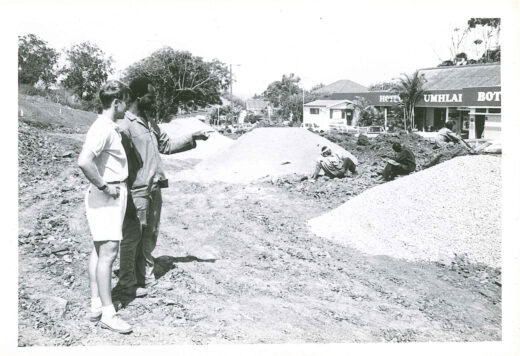
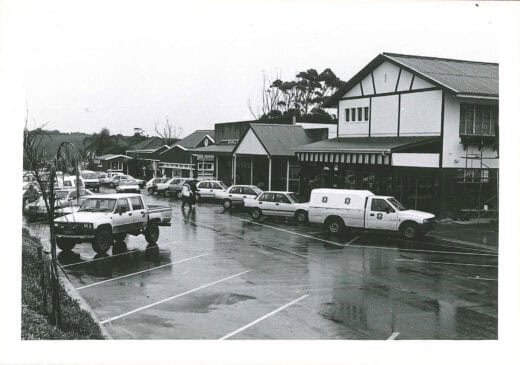
His first harvest in 1851 made international news and attracted more farmers from around the globe. Just a few kilometres north of his property, the town of Umhlali was developing at the same time, built around a fort in 1850 to become the central magistracy for the area.
Scottish Byrne settlers arrived between 1849 and 1851. William Campbell, one of them, went on to found Verulam, later buying land along the Umdloti River where his family would build the Natal Estates empire. The farm was called Muckleneuk, meaning ‘great bend’, where he settled in 1857. His son Marshall continued and extended the family business, founding Natal Estates Limited in 1895, which would later become absorbed into Tongaat Hulett.
Another of the early sugar pioneers in Tongaat was Englishman James Saunders, who arrived in Durban in 1854 to manage land on behalf of the Natal Company. He would mirror Campbell by buying the Tongaat Estate on the Tongaat River in 1857.
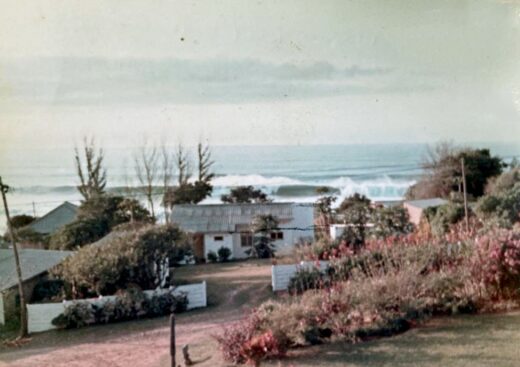
Photo: Bonnin’s Estates.
Further north, major farming operations were being built at around the same time.
Also in 1857, Theodorus Colenbrander, a Dutch immigrant, left his farm in Pinetown to take over a large plot of land which spanned from the outskirts of Dukuza to the Nonoti River. He called it Nieuw Gelderland, subdividing the land into three sections called New Guelderland, Doesburg and Hammeloo.
Colenbrander had previously farmed in Indonesia – then a Dutch colony – and became interested in cultivating exotic plant life, including mango trees, flamboyant trees and bamboo, which can still be found along the Nonoti River banks.
Kearsney and the arrival of Indian labour
Nearby, two British immigrants – Benjamin Balcomb and his son-in-law Liege Hulett – set up farms in the Nonoti hills in 1860, calling the area Kearsney. Somewhat surprisingly, given the dominant crop at the time, Balcomb and Hulett initially planted tea and coffee rather than sugar.
Facing labour shortages, the first indentured Indian labourers arrived later that year aboard the Truro, shaping the future demographic and economic makeup of the region.
The labourers on board were shipped as part of the Indentured Indian Immigration Scheme, from which many South African Indians can trace their heritage. Within a few decades, it is estimated that more than
100 000 Indians lived in Durban and surrounding areas, and their stories are as inexorably linked to the growth of North Coast industry as any other.
Their labour made the scaling of farms possible and brought yet more settlers to the area.
At the mouth of the Umvoti River, Dr William Addison began farming sugar and built his first mill on site in 1862. He and his sons were also responsible for the first Gledhow Mill, built in 1880.
Building KwaDukuza
Between the Addisons, Huletts, Balcombs and Colenbranders, the North Coast had become a farming hub and together they had enough sway to get permission to build a town that was more central to them than Umhlali.
In 1872, the site of Stanger (now KwaDukuza) was chosen and builders got to work. Stanger was surveyed by the second surveyor-general of Natal, Dr Peter Sutherland, but was named after his predecessor, Dr William Stanger.
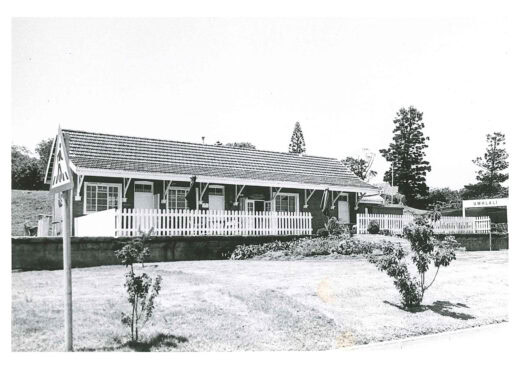
Fast-forward a few decades, Stanger and Umhlali remained the major population centres on the North Coast, servicing the surrounding farming communities.
The call of coastal life
By the early 1900s, coastal towns like Umdloti, Ballito and Salt Rock became weekend retreats for farming families.
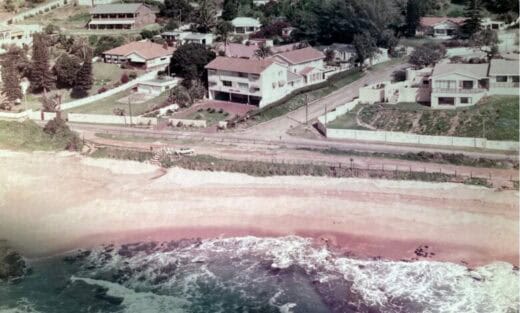
At Umdloti, an 1895 subdivision of coastal land created 17 beachfront plots which were all bought by 1910 to form the town’s first community. A servitude built in 1927 made day trips possible and the town was officially incorporated as the Umdloti-Newsel Township in 1932, later bolstered by the construction of the M4 highway in 1959.
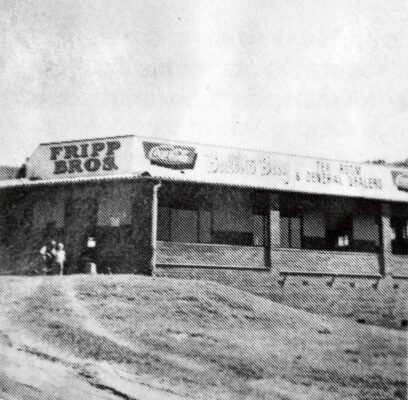
At Salt Rock, a smattering of homes had been built for residents of Umhlali and surrounds, but proper development really took off in the 1930s. Basil Hulett – grandson of Liege from Stanger – promoted the development of a nine-hole golf course and hotel in the area on his farm.
After the success of the course and hotel (completed in 1933), Hulett subdivided 75 beachfront plots and put them up for sale at £75 each, later building the tidal pool for their use.
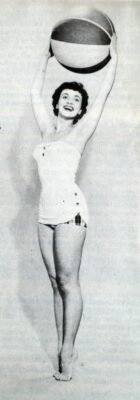
Ballito lagged a little behind in terms of development – not that you would believe it now – and only saw major development once township status was granted in 1954. The township was developed by Johannesburg doctor Eddie Rubenstein and his team who negotiated the sale of the beachfront land from the Squire of Compensation at the time, Basil Townsend.
They managed to buy 200 acres from him and were quickly selling plots from £395 on “very easy terms”.
Soon the town was a bustling holiday destination, before developing into the major population centre that we know today.
Stay in the loop with The North Coast Courier on Facebook, X, Instagram & YouTube for the latest news.
Mobile users can join our WhatsApp Broadcast Service here or if you’re on desktop, scan the QR code below.

Stay in the loop with The North Coast Courier on Facebook, X, Instagram & YouTube for the latest news.
Mobile users can join our WhatsApp Broadcast Service here, or if you’re on desktop, scan the QR code below.