

What is a mackerel sky? Rare clouds seen over Ballito
Residents of the North Coast were treated to a spectacular cloud formation last week.
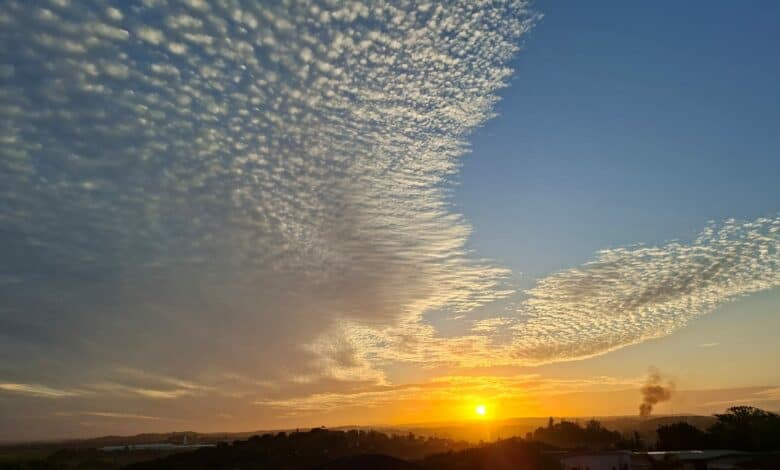
Residents were treated to a striking and unusual sight last Wednesday as a dramatic cloud formation stretched across the KZN sky.
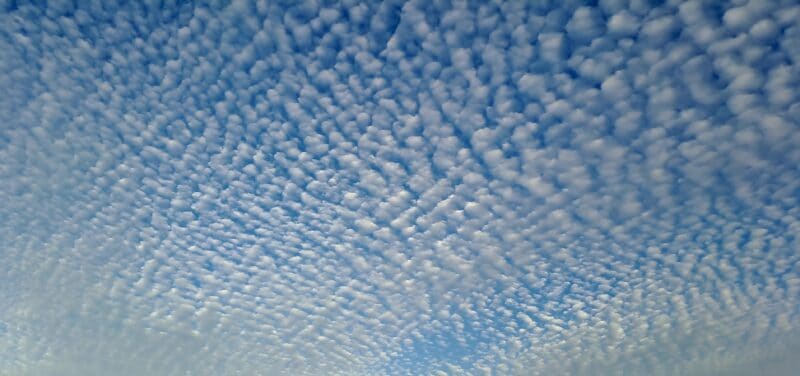
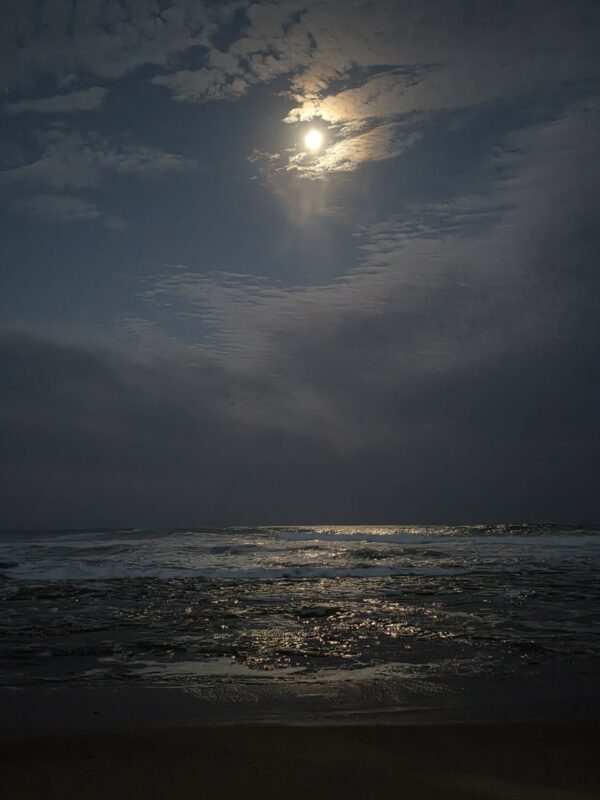
The spectacle, featuring rows of small, rippling white clouds resembling fish scales, quickly drew attention, with many people capturing photos and sharing them widely. The formation, known as a mackerel sky, takes its name from its resemblance to the scales of a mackerel fish.
While visually captivating, it has long been recognised as a reliable indicator of changing weather conditions. Known by various names worldwide – including “buttermilk sky”, “sheep clouds” and “cobbled sky” – the phenomenon is a reminder that nature often provides early clues to changing weather, if one knows how to read the signs.
A mackerel sky is made up of cirrocumulus or altocumulus clouds. Cirrocumulus clouds form at high altitudes and are composed of ice crystals, while altocumulus clouds occur slightly lower and consist of tiny water droplets. The distinctive rippled pattern is created by atmospheric waves – invisible motions of rising and sinking air.
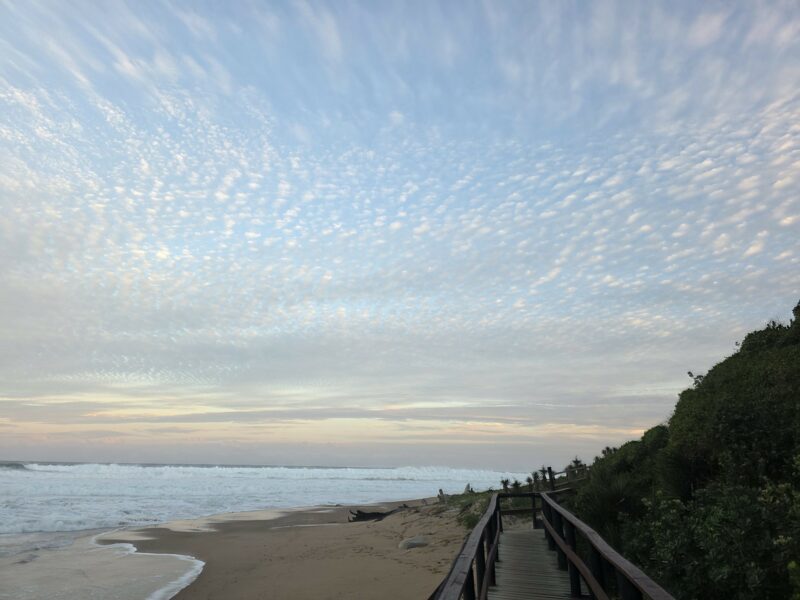
As air rises, moisture condenses into small cloud patches, while sinking air leaves clear gaps, creating the familiar textured appearance.
Palm Lakes residents Karen Williams and Elizabeth Cook were among those intrigued by the rare display.
“I didn’t even know what the formation was called. I was describing it as scudding snowflake clouds,” said Williams.
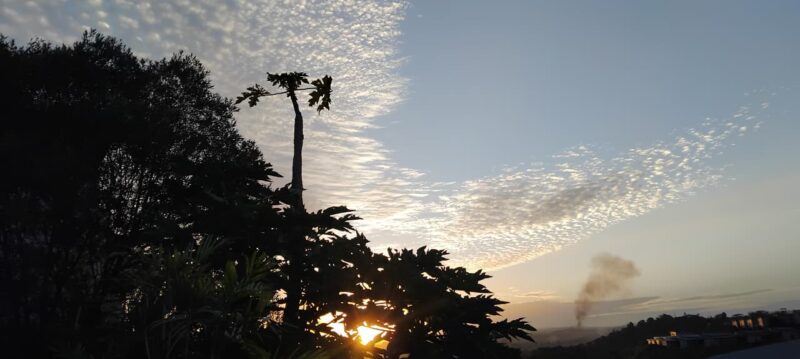
“It reminded me of growing up in the UK when we used to get a light dusting of snowflakes like feathers.”
Cook, who decided to go for a walk at about 4.30pm, was equally fascinated.
“The clouds at sunset were incredible,” she said.
“I thought they looked like fish scales, so I Googled ‘fish scale clouds’ and discovered that is what they are called, or mackerel sky.”
“I wanted to share the spectacular autumnal sunset,” said Palm Lakes resident Clint Wahl, who last observed a similar formation two years ago.
At Zinkwazi Beach, resident Sue Bamber also admired the scene.
“The clouds were certainly unusual and absolutely breathtaking, especially as the sun was setting,” said Bamber.
Meteorologists – and traditional weather lore – associate these cloud formations with approaching instability. Mackerel skies often appear six to 12 hours ahead of a warm front or low-pressure system, with rain frequently following within a day – as reflected in the old saying, “Mackerel sky, not twenty-four hours dry.”
Stay in the loop with The North Coast Courier on Facebook, X, Instagram & YouTube for the latest news.
Mobile users can join our WhatsApp Broadcast Service here, or if you’re on desktop, scan the QR code below.