

Why unplanned artificial water points for wild animals can sometimes do more harm than good
He recommended that residents install birdbaths in their own gardens instead, allowing them to enjoy the wildlife they attract.
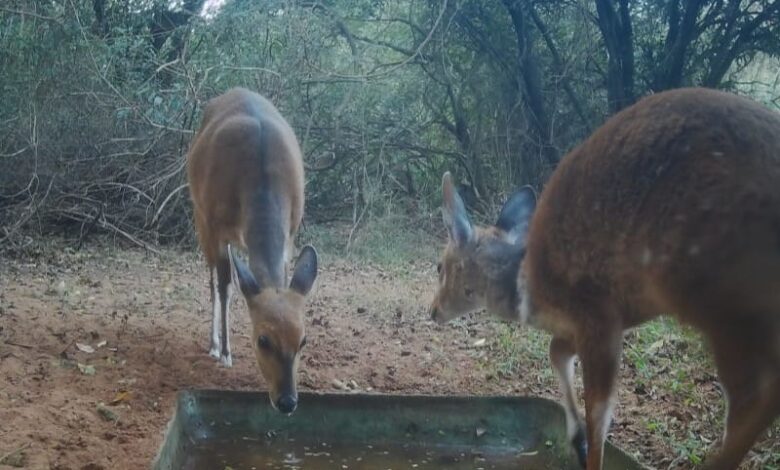
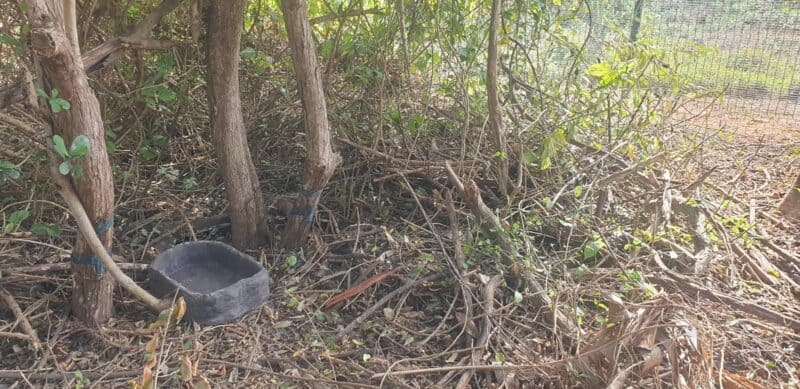
Well-meaning Umdloti residents concerned about a perceived lack of drinking water for wild animals in surrounding forests have been advised against installing water troughs.
Ecologist Dr Allister Starke said the additional, unplanned water points could have unintended consequences.
“While we appreciate that this has been done with the best of intentions, it may actually be doing more harm than good,” said Starke.
“There is currently no issue with water availability in the conservation areas – in fact, there is more natural water available than there has ever been.”
He recommended that residents install birdbaths in their own gardens instead, allowing them to enjoy the wildlife they attract.
“The dry season is a perfectly normal part of the seasonal cycle, and we are concerned that unplanned, ad hoc and unmanaged water points would encourage a more permanent bushbuck presence in the territories of blue and red duiker,” he said.
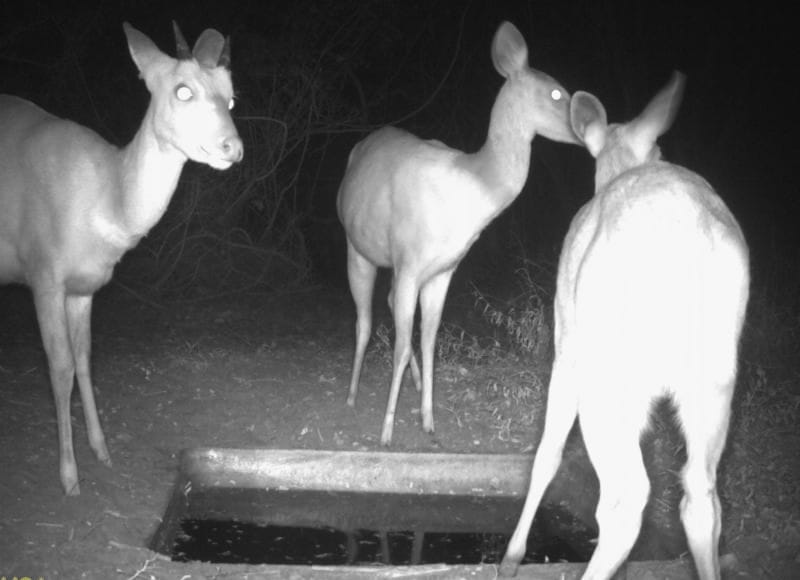
Starke explained that blue and red duiker do not necessarily require surface water within their territories. Bushbuck, meanwhile, are generalist herbivores and may compete for food with forest specialists such as blue and red duiker.
A SANBI and Endangered Wildlife Trust conservation assessment for blue duiker similarly recommends keeping other browsing species, including bushbuck, at moderate densities because of potential competition and impacts on forest habitat.
The broader principle is also supported by experience in the Kruger National Park, where SANParks found that artificial water points altered herbivore distribution and enabled more abundant species to make greater use of areas occupied by rarer antelope, including roan and sable.
Increased competition was one of the reasons SANParks subsequently closed several artificial water points.
“For this reason, the precautionary approach is that additional water points should only be established where there is a demonstrated ecological need and as part of an agreed conservation management plan,” said Starke.
Stay in the loop with The North Coast Courier on Facebook, X, Instagram & YouTube for the latest news.
Mobile users can join our WhatsApp Broadcast Service here, or if you’re on desktop, scan the QR code below.