

iLembe air pollution compared to smoking 134 cigarettes over winter
Sugarcane season coincides with the winter pollution spike, but the data does not prove it is the cause.
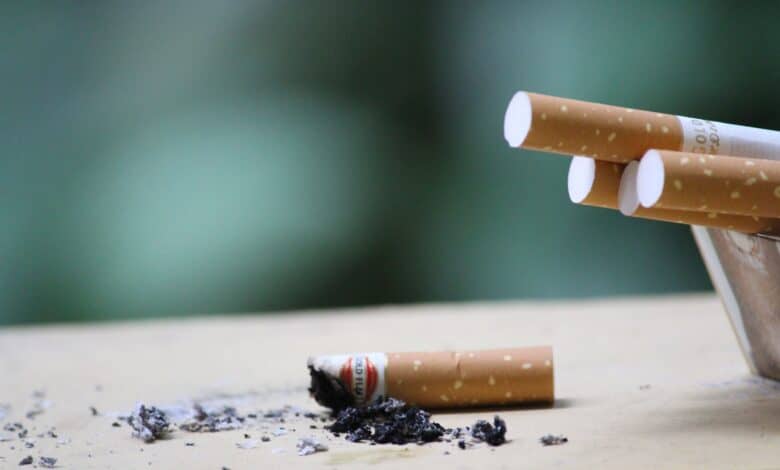
iLembe residents may have been exposed to PM2.5 air pollution equivalent to smoking up to 134 cigarettes over the three winter months, according to preliminary analysis by Communities Against Pollution (CAP).
CAP calculated that this equated to an average of 1.45 cigarettes a day between June and August, according to data collected between 2023 and 2025.
The citizen science project found that PM2.5 levels regularly exceeded the World Health Organisation’s (WHO) annual guideline during winter, with CAP identifying sugarcane burning and atmospheric inversions as key contributors.
CAP undertook the study to establish an air-quality baseline for iLembe, using data from its independent monitoring network and meteorological information from the South African Sugarcane Research Institute.
PM2.5 refers to fine particulate matter 2.5 micrometres or smaller.
It can come from sources including vehicle exhausts, power plants, waste burning, wildfires, dust and other forms of combustion.
Because of their small size, the particles can penetrate deep into the lungs and enter the bloodstream.
The 2024 State of Global Air report, produced in partnership with UNICEF, found that air pollution contributed to 8.1 million deaths globally in 2021, making it the second-leading risk factor for death worldwide. It was also linked to deaths among children under five.
Almost 90% of the disease burden attributed to air pollution came from non-communicable diseases, including heart disease, stroke, diabetes, lung cancer and chronic obstructive pulmonary disease (COPD), according to the report.
CAP’s preliminary findings showed a pronounced seasonal increase in PM2.5 between April and September, coinciding with the sugarcane harvesting and crop-residue burning season.
The highest levels were consistently recorded from June to August, when atmospheric inversions associated with prevailing high-pressure systems were strongest.
An atmospheric inversion occurs when warm air sits above cooler air near the ground, preventing smoke and fine particles from dispersing and trapping them closer to the surface.
Rainfall appeared to reduce PM2.5 levels, with the project recording a significant drop during summer.
Concentrations were up to five times lower than during the peak summer months from December to February.
The study warns that without intervention, continued exposure could affect health, the environment and quality of life.
Monitor air quality
Residents can monitor air quality in their area using the AirGradient app, available from the Apple App Store and Google Play.
CAP has also produced a video explaining how to set up the app and monitor local air quality on its website.
Stay in the loop with The North Coast Courier on Facebook, X, Instagram & YouTube for the latest news.
Mobile users can join our WhatsApp Broadcast Service here, or if you’re on desktop, scan the QR code below.