

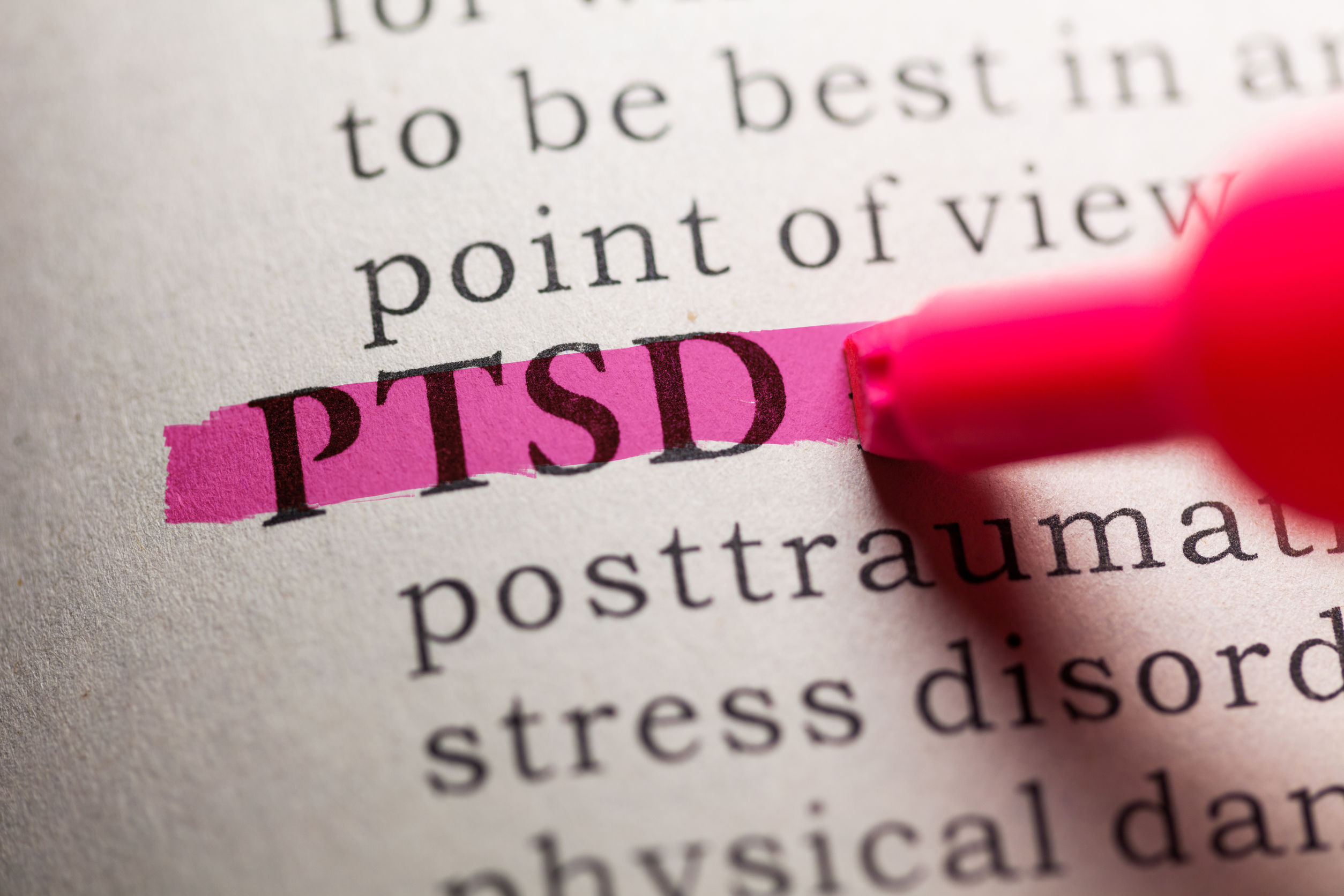
Have you found yourself reacting to situations you previously would have sailed through? Are you feeling anxious all the time, worrying about things you never worried about before? Do you feel nervous to be alone or feel as if something bad is about to happen to you?
Are you avoiding reminders of an experience you’ve had, like places and people?
These are some typical signs of someone experiencing Post-Traumatic Stress Disorder (PTSD). For many of us, we may feel that we have changed following an event, but don’t know why or how.
Some people experience PTSD as something that is tangible; for example, having flashbacks of what happened and feeling like they are re-living an ordeal over and over.
While others may simply be aware of a raised level of anxiety and some paranoia about feeling unsafe.
The most common emotions range from anger, sadness, depression, mistrust, guilt, shame, hopelessness, anxiousness and fear.
We tend to underestimate the impact that a traumatic situation has on our physical well-being. When our bodies go into shock, aches and pains or illnesses may become pertinent, even if the mind feels numb and detached from what’s happened. These reactions to PTSD can continue long into the future, until it’s addressed.
PTSD can be very stressful as the world you know has changed; your feelings of safety have been shaken up and left you feeling exposed and vulnerable.
There are a couple of ways you can support yourself through this time until you feel ready to reach out to a professional.
Deep breathing helps to regulate your nervous system, leaving you feeling calmer, less anxious and more in control. The more deeply you can train yourself to breathe, for longer periods of time, the better response you will have.
Be present by focusing on your ‘here and now’. Don’t allow your mind to get lost in the thoughts of what happened or what could have happened. Remind yourself that in this moment you are safe, going about your daily routine, doing what you do every day. Emphasize the fact that you are safe as many times as you need to reassure yourself.
Avoid alcohol or drugs when you are working through difficult emotions, as this will only amplify what you are experiencing later on. Using alcohol or substances as an escape is a sign that you need support.
Avoid isolating yourself, as tempting as this may be. Go out and surround yourself with people who love and care for you. Allow yourself to feel safe around those you know well and are comfortable to be vulnerable around.
We are all unique and we go through our own process, on our own time. Eliminate pressure wherever you can. Be as gentle and as patient as is possible, with yourself and with those who are trying to love you through this. When you are ready, reach out to someone who is equipped to help you heal.
For more, visit The Trauma Coach Facebook page or their website.
>> Expect to find the latest trends in Health, Wellness and Beauty in Ballito.
>> Meet the top players in the North Coast property industry. See our Property People feature.
Do you want to receive news alerts via WhatsApp? Send us a WhatsApp message (not an sms) with your name and surname to 061 718 4438.
Please read our WhatsApp broadcast list disclaimer.
Join us on BBM at 59015786
Join the conversation on Facebook, Twitter and Instagram.
Stay in the loop with The North Coast Courier on Facebook, X, Instagram & YouTube for the latest news.
Mobile users can join our WhatsApp Broadcast Service here, or if you’re on desktop, scan the QR code below.