My plastic-free week
Editor Lesley Naudé attempted to go a whole week without plastic, and it was a lot more difficult than she first thought.
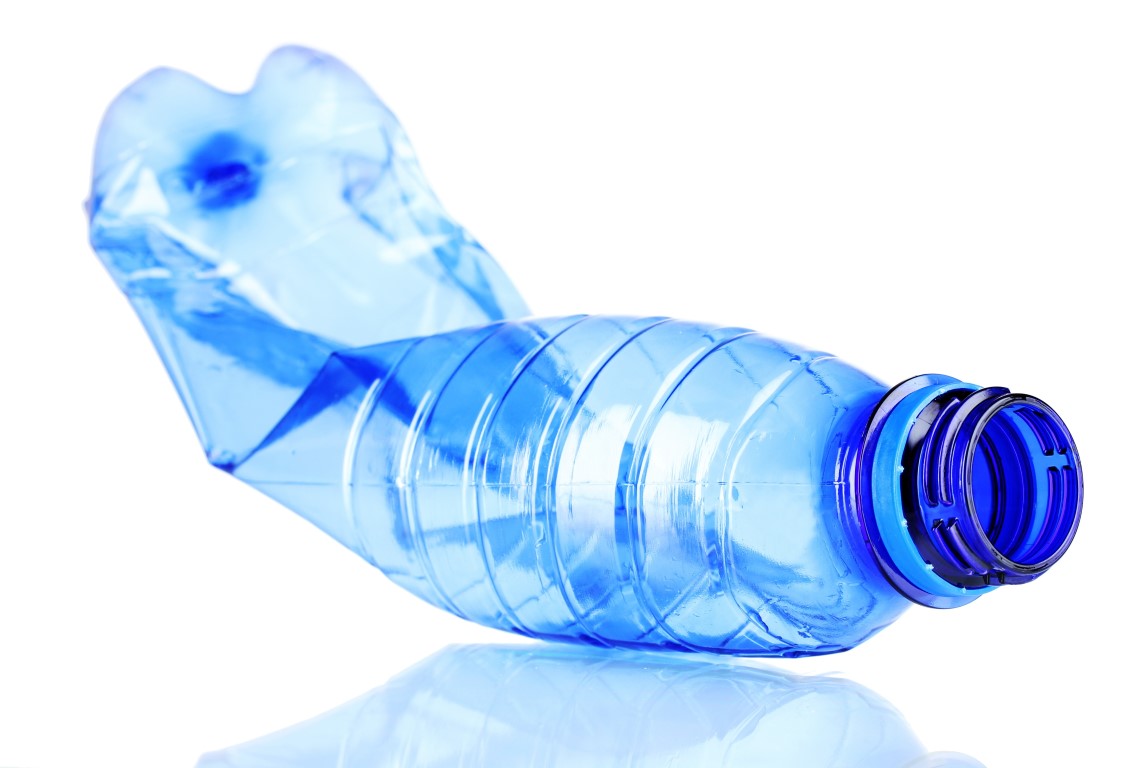
The rules for plastic-free week: I wasn’t allowed to buy single-use plastics in any form. This means all of the obvious things were banned, like plastic bags and water bottles, but also no packaged food, no disposable coffee cups, no straws and no sweet wrappers. I allowed myself multi-use plastics (like Tupperware) that I already owned. But I looked for where I could find alternatives to these too.
DAY 1
For breakfast I was lucky to still have cereal in the cupboard and milk in the fridge.
Going through my morning routine though I was shocked at how much plastic I used. My toothbrush was plastic, all my toiletries were in plastic and even the milk carton that looked like a cardboard box turned out to be lined with plastic. I decided then and there to go shopping for alternatives. A toothbrush is almost as bad as a straw. If you replace yours every three months as dentists recommend that’s four a year – 320 over 80 years.
But what really upset me was that I could not have my morning Rooibos or even a takeaway coffee! Why tea, you are probably wondering? To my horror I discovered that most tea bags are not biodegradable. About 96 per cent of teabags are made with polypropylene – a synthetic resin – which is added during the sealing process.
My mission to find loose leaf tea was an utter failure! The two grocery stores I visited did not stock it. Hundreds of different types of tea but all in tea bags. What saved me was the discovery of a box of loose leaf tea my Mauritian friend had posted me some years back.
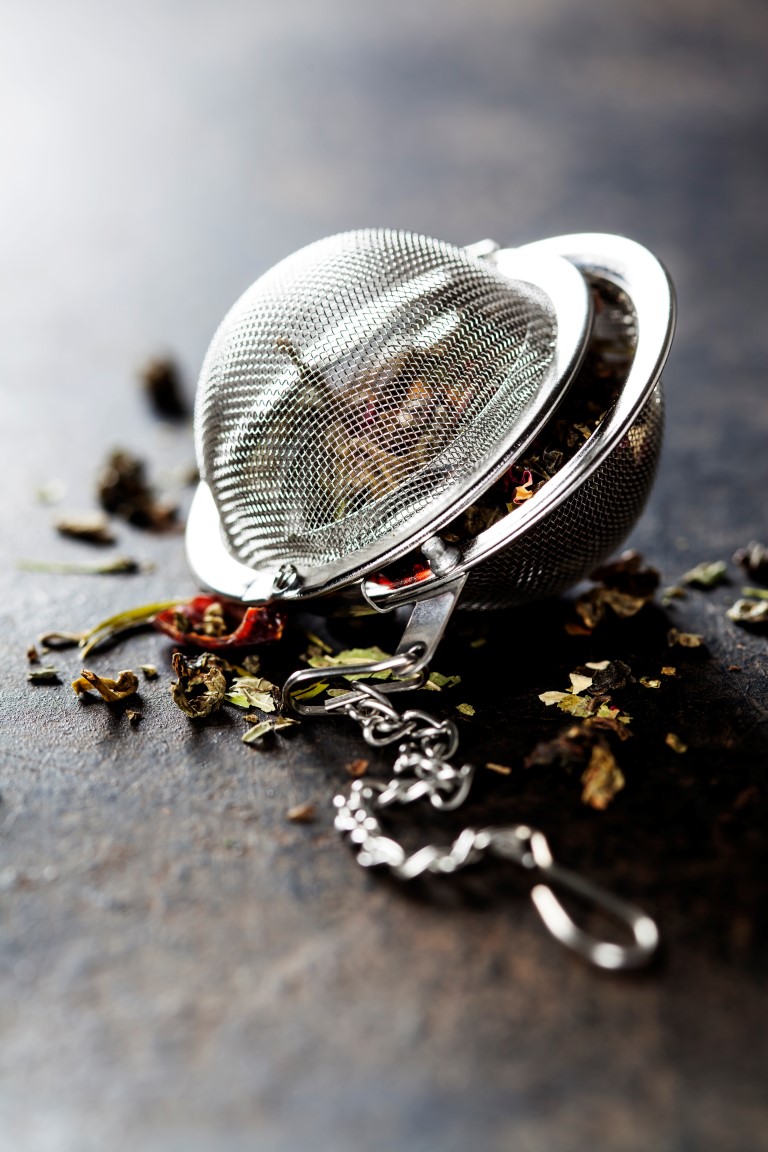
At the time I had thought it would be too much of a hack to brew my own. I was so wrong! It was easy as pie, both in a tea pot or directly in the cup with my quaint little stainless steel infuser. Delicious, too.
Note: I later discovered loose leaf at Pick n Pay at the Ballito Junction and I am sure there must be others.
DAY 2
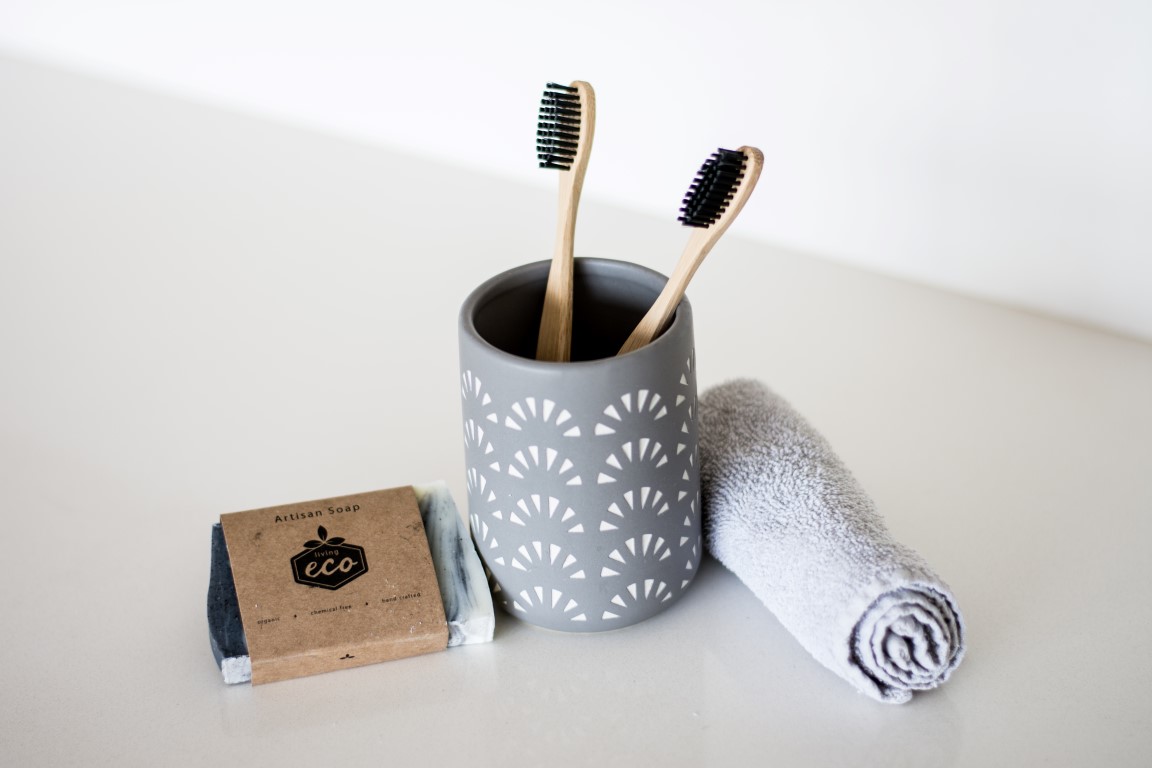
On Tuesday I brushed my teeth with the hippest bamboo tooth brush (R50) from Living Eco (with activated charcoal bristles, nogal). I love the feel of the wood in my hand. It totally made my morning.
Then I collected my milk in glass bottles from the Scoop factory on Dawood Close! Prior to the challenge I realised milk was going to be an issue so I hunted high and low for milk in glass and came short every time. Online I only managed to find a long life milk option but nothing fresh and nothing local.
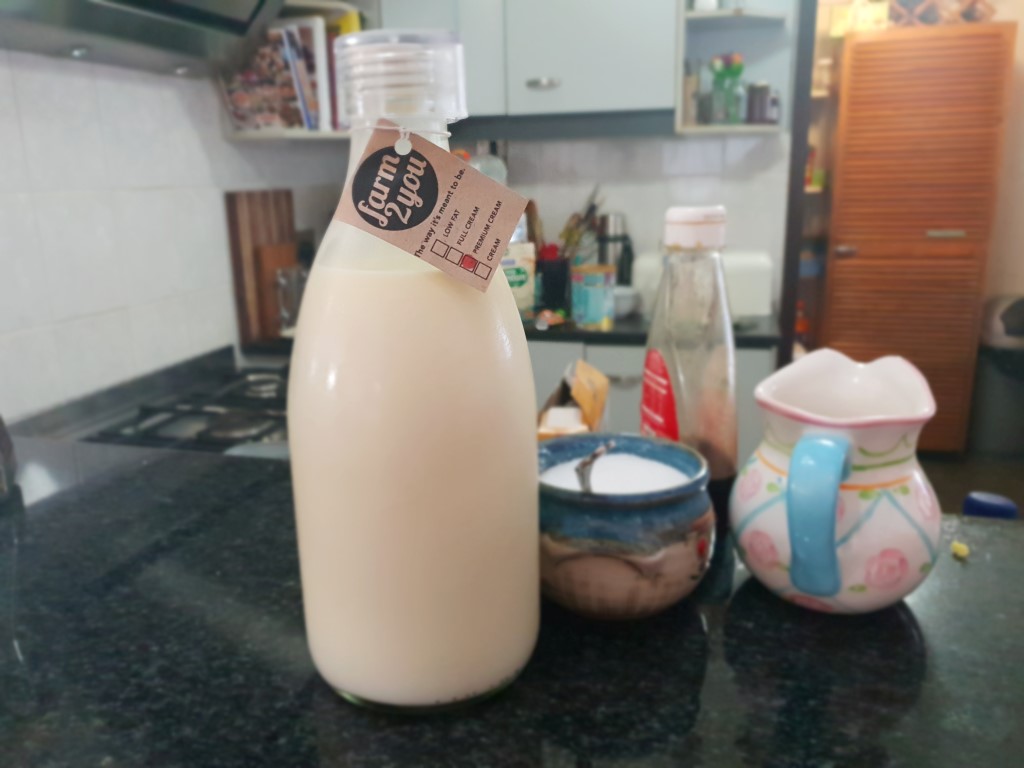
Then I discovered that Amanda Maidman receives ‘Farm2You’ milk in bulk from Khulisani Farm in the KZN Midlands. What a win. The milk was creamy and delicious.
It’s pasteurised and usually lasts six days in the fridge. I returned my bottles that Friday for a refill. I only had one half bottle go sour and that was on day five of the second batch.
Amanda’s teenage son runs the milk business for her and she tells me interest in the product is growing. R15 per litre with a R25 per bottle deposit.
DAY 3
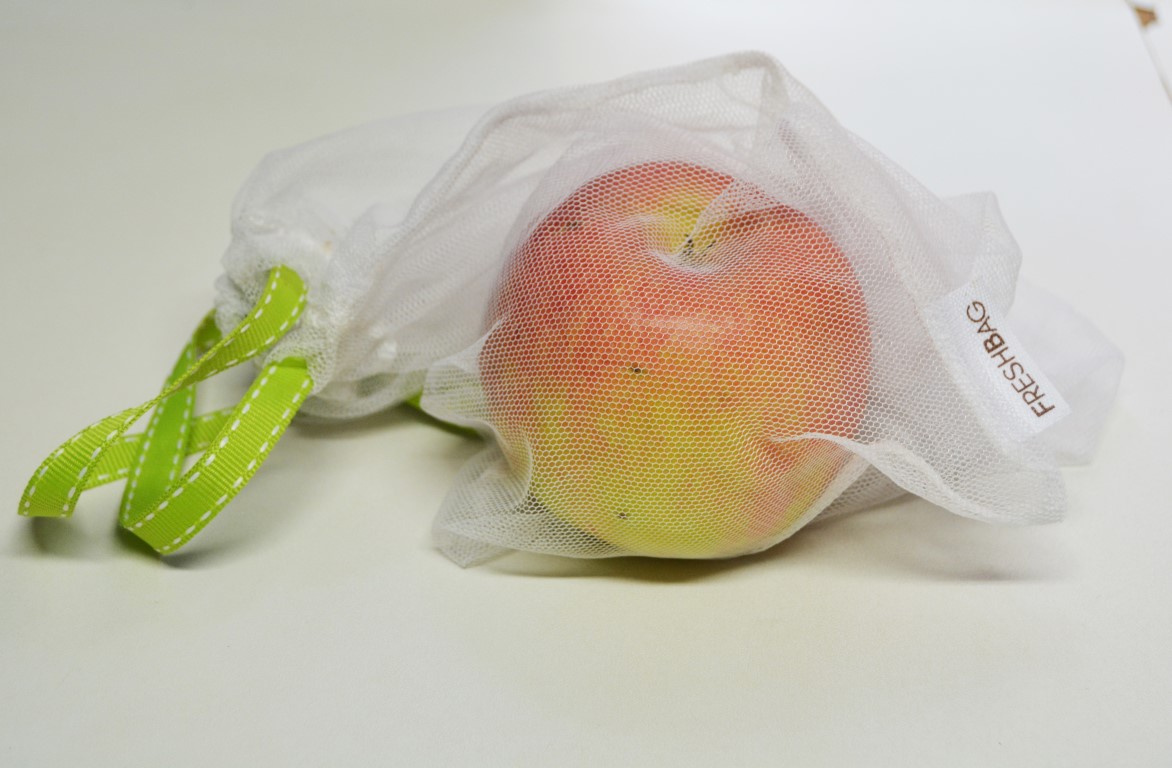
Grocery shopping was a complete fail. Hardly anything was not wrapped in plastic and even the loose fruit and veg had to be bagged in those thin plastic bags to be weighed. I realised that if you are going to make this a lifestyle it is going to take some planning!
So I bought two little mesh bags from Azikho to weigh my fruit and veg in and quickly discovered that I was going to need quite a few more. They were a pricey R69. Perhaps I can convince my mum to sew me some more – mum?
I still had to forgo a few favourites (broccoli, baby marrows, cucumber and green beans were all off limits) and chop all my own veg.
Only after my plastic-free week did I discover that Home Grown at the Ballito Lifestyle Centre pack their fruit and veg in biodegradable ‘Good for the Ground’ packaging. They also receive all their organic veg from the farmers in reusable crates.
Luckily I had enough meat in the freezer to see me through, otherwise I would have had to carry Tupperware and ask the butcher if they would skip the disposable packaging.
That night it was my turn to host our church group. I normally buy a cake or biscuits. Well, I searched high and low (I did not have time that day to visit all the bakeries in town) for anything that was not plastic wrapped and finally resorted to making my own crumpets (sigh).
DAY 4
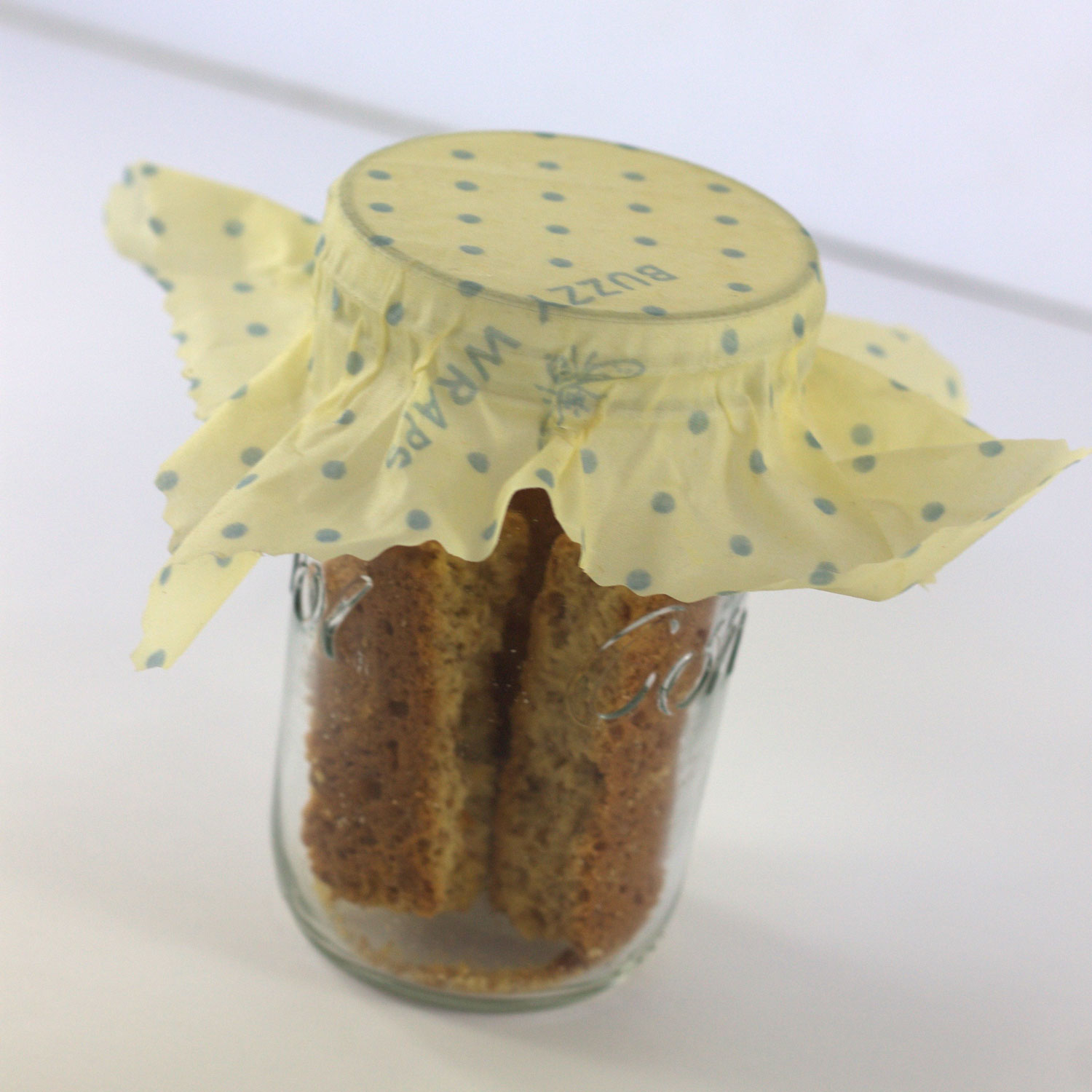
Cling wrap is a single use plastic I use a lot so I was excited to try the oh-so-trendy Buzzy Wraps. The wax wraps are made with beeswax, organic jojoba oil and tree resin. They smell lovely and are easy to clean, with a simple rinse with soap and water.
The Buzzy Wraps were great for things like wrapping sarmies and half an avo in the fridge, and for covering dishes of leftovers.At first I struggled to get them to seal properly but once I discovered the trick (you have to warm them in your hands and work the wrap around the rim overlapping on itself) it was easy as pie (R171 for a pack of three singles, a small, medium and large).
Bread was another challenge! I am so used to buying pre-sliced loaves that I automatically put it in the trolley before doing a double take. Not all bakeries supply paper bags for bread so again make sure you have one on hand.
DAY 5
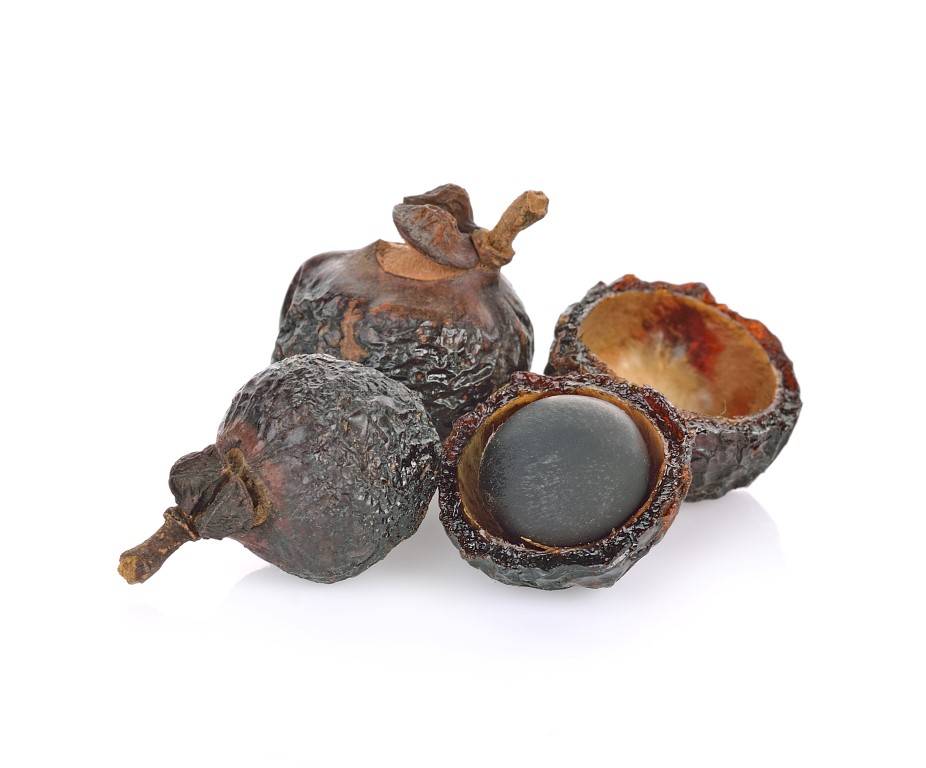
I have long wanted to try out Soap Nuts as an alternative to laundry powder and this challenge was the perfect excuse. Soap Nuts are not really nuts at all, but berries from the ‘Sapindus Mukorossi’ tree that grows wild in India, Indonesia, Nepal and Bali. Naturesoap based in Cape Town sent me a sample. They came in a small fabric bag that you chuck in with your load of washing. The berries contain saponin which is a surfactant that can be used like soap.
My first hurdle was to discover that the saponin is only released properly in hot water and I only wash in cold. Minor hiccup! A quick Google revealed that I should pop the bag in a cup of hot water first, leave to brew for 10 minutes, and then pour the tea and bag into the washing machine. It worked like charm – only some of my three year old’s very dirty clothes had to be washed again (boys are really rough on their clothes). In their defense, the suppliers do say you need to use a stain remover where applicable as you would with any normal detergent.
It was great to use an all natural and non-toxic product (especially good for sensitive skin and those prone to allergies). It was also quite economical. You use three to five whole soap nuts per wash which can be used up to five times before being disposed of in your compost heap. A 500g bag is R108 with about 130 washes per bag, which is about 80c a wash.
DAY 6
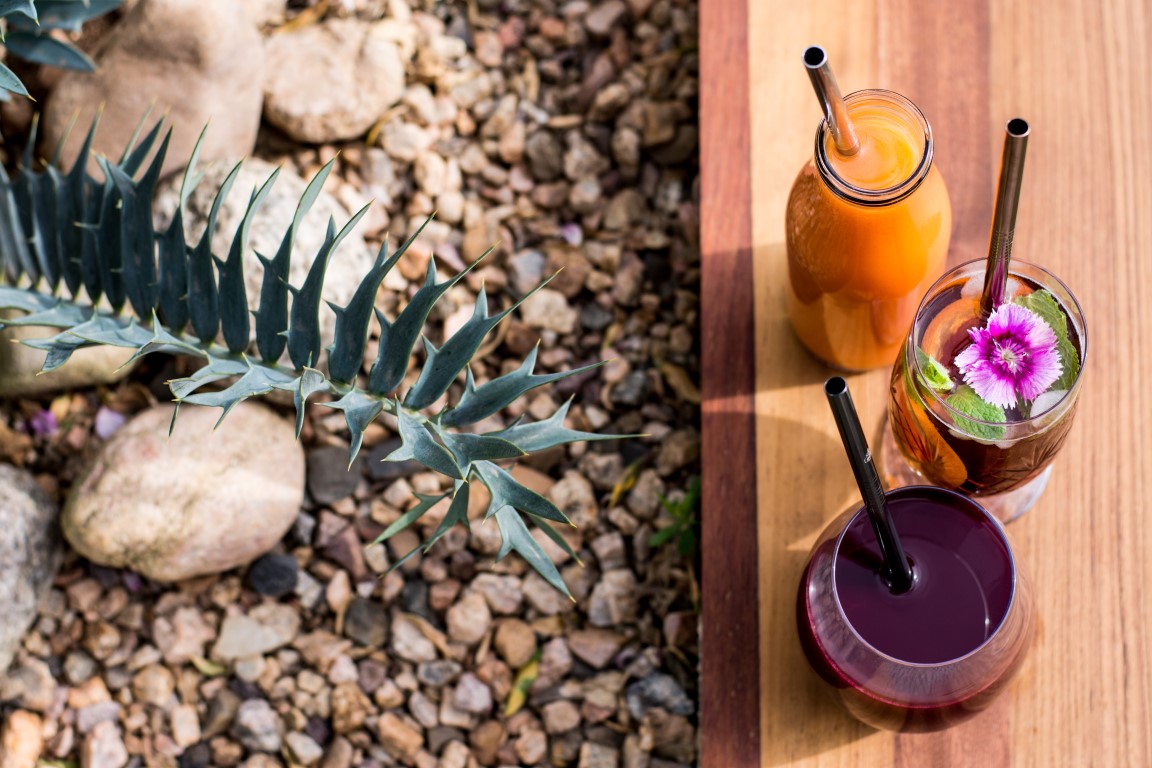
Going out for a meal on the weekend I decided to try out some straw alternatives.
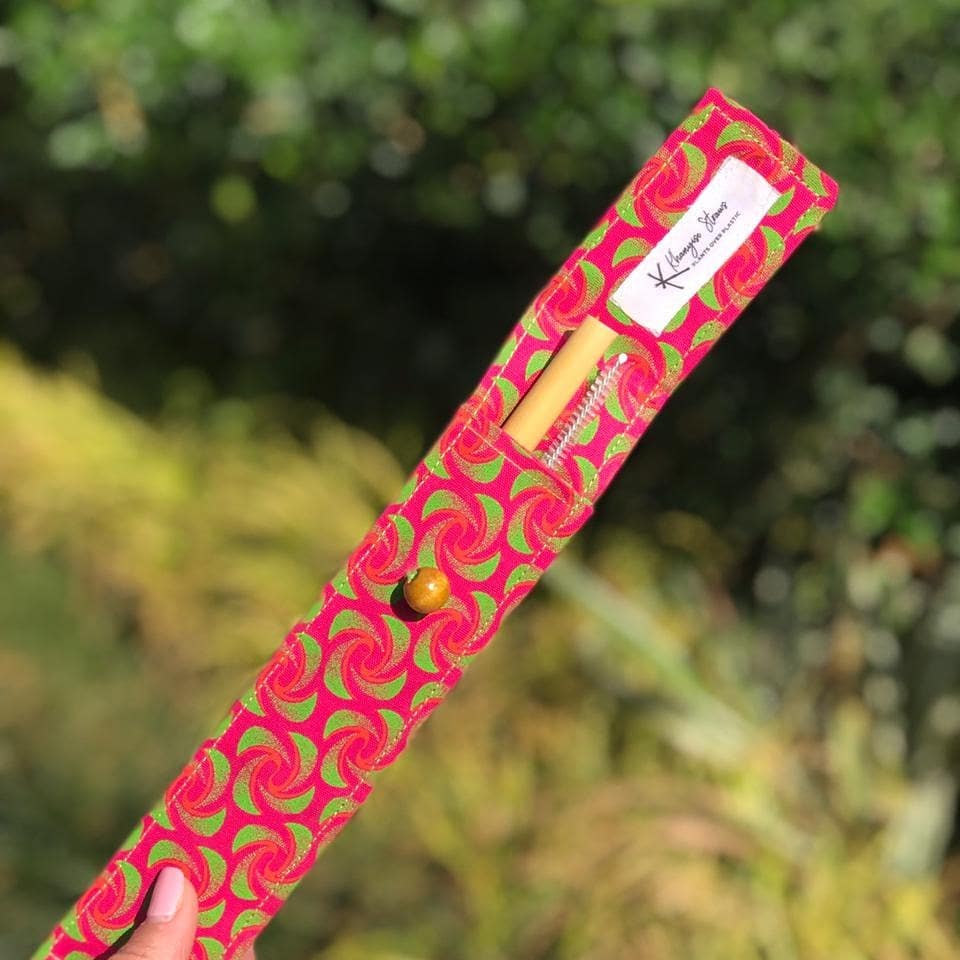
The first one I used was the Khanyiso Mozambican reed straw. They have a super lovely natural feel and come in these gorgeous little pouches (perfect for your handbag). The nifty straw cleaner was great too. To clean, you just rinse under running water, using the straw brush if needed, and leave to dry. They even come in different sizes, which is perfect when tackling a thick milkshake. The straws can last for months and months. They sell for R14 a straw, and R75 for a straw kit including a pouch, two straws and a cleaner.
I also tried out a metal straw from Living Eco and while I prefer the look of the bamboo, this one looks and feels super classy and will last forever (if I don’t lose it). The straight silver stainless steel straw kit including a straw cleaner and drawstring bag sells for R100. The straws were also a hit with my son who normally insists on using a plastic straw for everything.
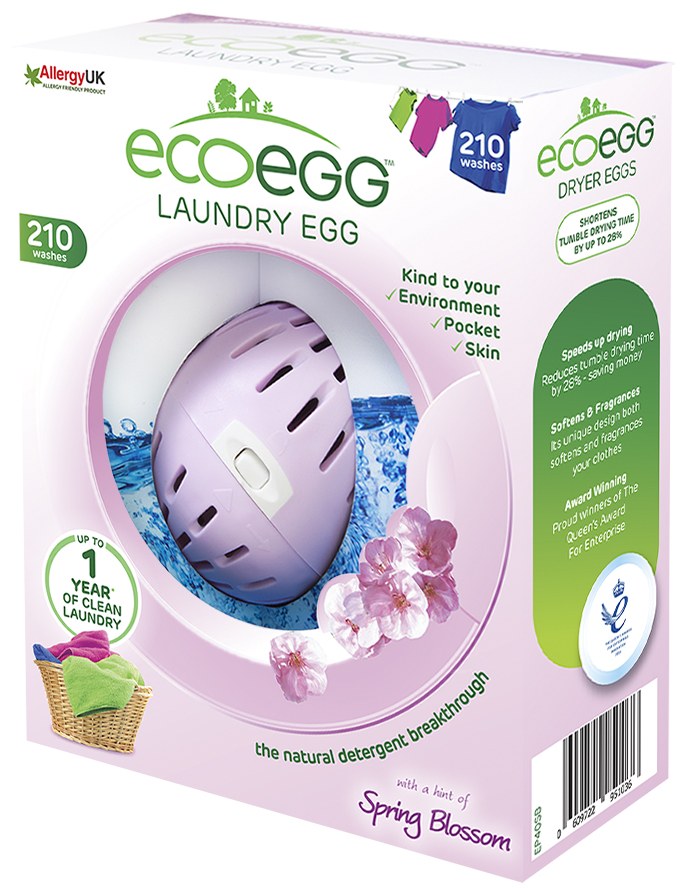
The perception is that eco-friendly options are more expensive than their landfill generating and pollutant ridden alternatives. This is often what stops the average Joe from making the change, we want to change the world but we also need to feed our families. One product bucked that trend completely: the EcoEgg. While it looks like it is made of plastic it is actually completely 100% biodegradable and is therefore far superior to the plastic bag my laundry powder came in.
I have been using this award winning Laundry Egg as a replacement for washing detergent for about two months now. You just pop it into the drum of your washing machine – nothing else required. The two types of mineral pellets inside the egg produce a natural cleaning foam which cleans your clothes!
I have the 210 laundry Egg which gives 210 washes, but now that I have tried it, I would for the 720. The 720 wash Laundry Egg lasts for 720 washes; that’s about three year’s worth of laundry for the average family. At R465 each load works out to be just under 60 cents per wash.
My clothes have been coming out clean and smelling great. That said, you still need to use stain remover on any grubby marks, possibly more so than when I used conventional washing powder. But still that’s a small thing compared to the benefits of saving money, being environmentally friendly and free from harsh chemicals. It also works great in cold water, which is a plus for me.
DAY 7
As the week progressed I became hyper-aware of the amount of plastic surrounding me. It was everywhere. But I discovered that cutting out single-use plastics was not that hard. Certainly this lifestyle requires planning (like remembering to take your reusable coffee cup, straw and bags with you) and an initial investment in these alternatives.
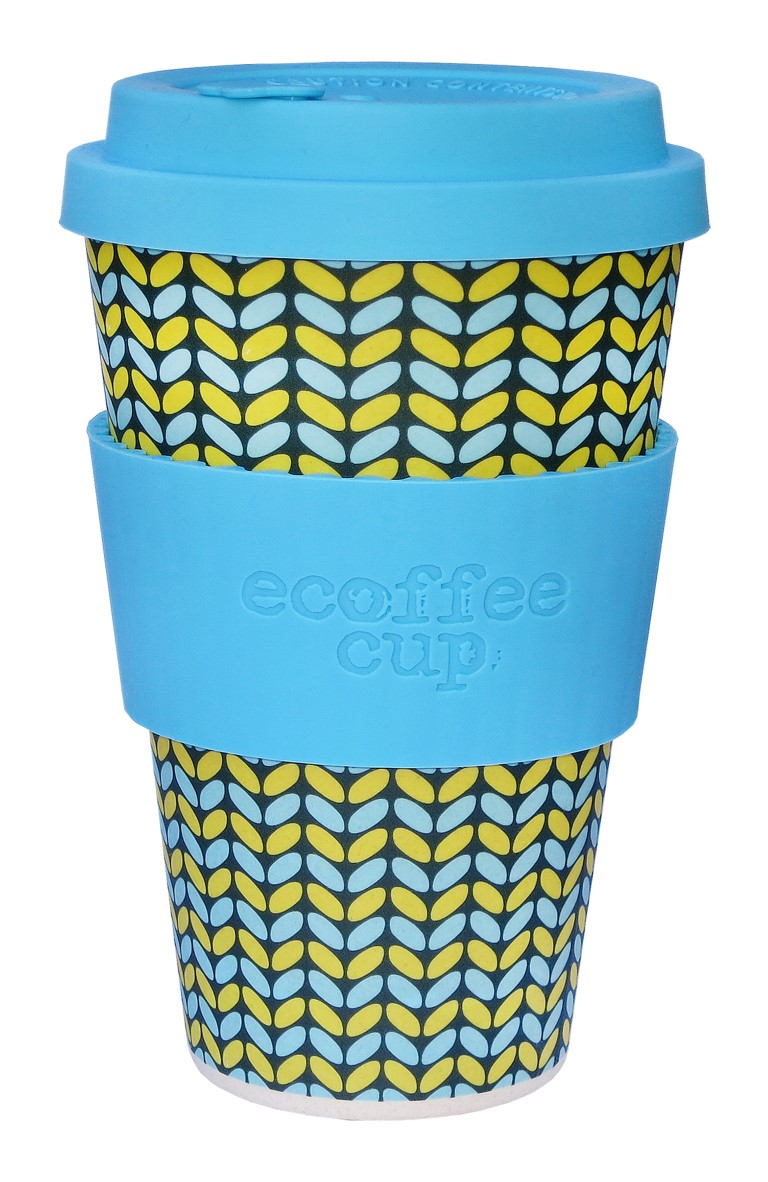
There are other bonuses too. I now have an Ecoffee Cup made of bamboo fibre, which costs more (R189 for 340mls) than the free paper cup with a plastic lid but many places (like Woolies) offer you a discount on your coffee when you bring your own cup. What a win! The Ecoffee cup is a must for people who have a takeaway coffee every day and they come in the most stunning designs.
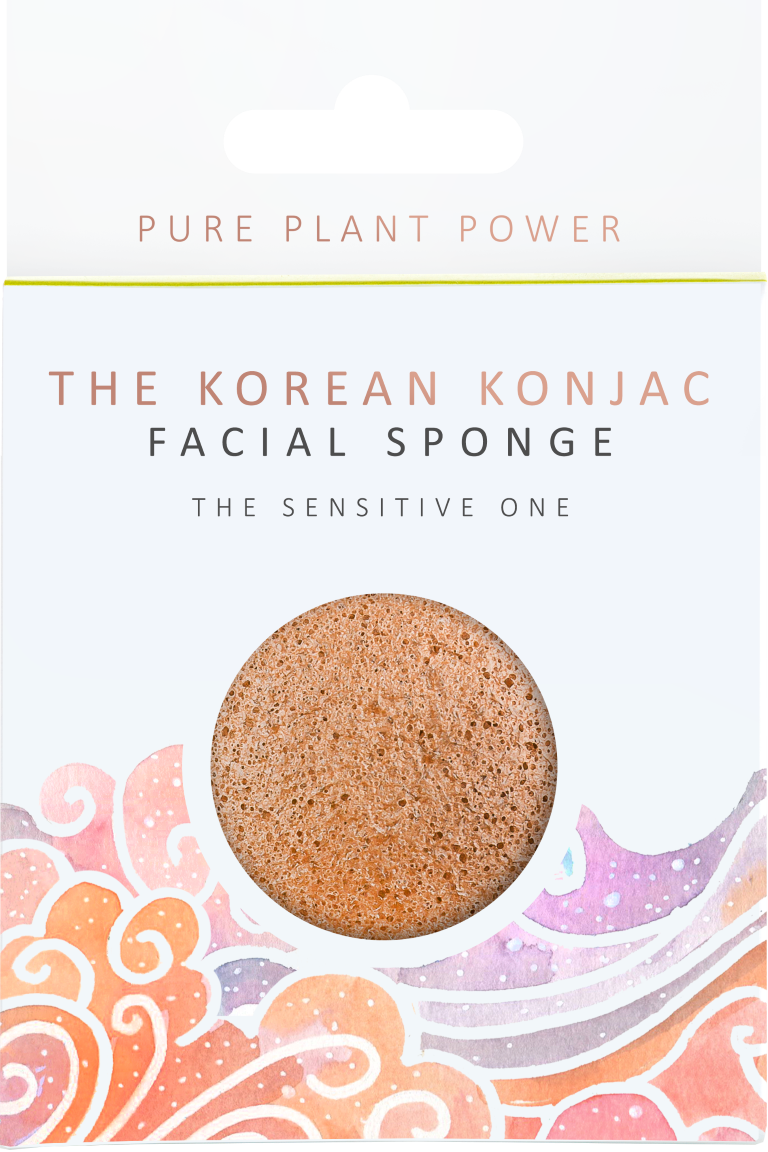
The week was also not all a struggle. I took the opportunity to spoil myself a little. My shower sponge was falling apart and I wanted a replacement, which is when I discovered the Konjac Sponge (R189). The sponge is totally organic, made from plant fibre (Konnyaku is a perennial plant native to Asia and can be found growing wild at very high altitudes. The plant is naturally alkaline).
I tried out one with pink French clay for sensitive skin. When you soak the sponge in water it become soft (almost slimy but in a good way) and gives the most incredible, gentle exfoliation. My skin feels like silk after using it. The sponges are 100% biodegradable, and are now available to be purchased free of plastic packaging.
Lesley’s list of plastic-free alternatives
Bamboo toothbrush
Description: Bristles with activated charcoal,
Where to buy it: Living Eco
Cost: R50
Contact: info@livingeco.co.za
EcoEgg
Description: Washing detergent replacement
Where to buy it: ecoegg.co.za
Cost: The 720 wash Laundry Egg is R465
Contact: ecoegg.co.za/get-in-touch/
Milk in reusable glass bottles
Description: ‘Farm2You’ milk from Khulisani Farm the KZN Midlands. Place your order a few days before, deliveries arrive on Tuesdays and Fridays.
Where to buy it: Milkys (at the Scoop factory on Dawood Close)
Cost: R15 per litre with a R25 per bottle deposit.
Contact: Amanda Maidman at 082 307 1096
Freshbags mesh 2-pack standard size
Where to buy it: Azikho in Gregory Park, Ballito
Cost: R 69.00
Contact: info@azikho.co.za, +27768986697
Buzzy Wraps
Where to buy it: www.buzzywraps.co.za or Azikho in Gregory Park, Ballito
Description: Wax Wraps made with beeswax, organic jojoba oil and tree resin.Where to buy it: Azikho in Gregory Park, Ballito or www.buzzywraps.co.za
Cost: R171 of a pack of 3 singles, a small, medium and large (20cm x 20cm, 30cm x 30cm and 40cm x 35cm).
Contact: www.buzzywraps.co.za
Soap Nuts
Description: Laundry powder alternative
Where to buy it: www.naturesoap.co.za
Cost: 500g bag is R108
Khanyiso Mozambiquean reed straw
Description: Biodegradable and reusable straws made from the Khanyiso reed which grows naturally in Mozambique.
Where to buy it: Plants Over Plastic
Cost: R14 a straw, and R75 for a straw kit (pouch, two straws and a cleaner). The pouch on it’s own is R45.
Contact: 079 692 7943
Steel Straw
Description: The straight silver stainless steel straw kit including a straw cleaner and drawstring bag.
Where to buy it: Living Eco
Cost: R100
Contact: info@livingeco.co.za
Ecoffee Cup
Description: Light and lovely to drink from; holds heat well; no strange after-taste.
Where to buy it: www.ecoffeecup.co.za
Cost: R189 for 340mls
Contact: sales@ecoffeecup.co.za
Konjac Sponge
Description: Organic face sponge
Where to buy it: www.konjacspongecompany.com or www.fineandfabulous.co.za
Cost: R189

Do you want to receive news alerts via WhatsApp? Send us a WhatsApp message (not an sms) with your name and surname to 061 718 4438.
Please read our WhatsApp broadcast list disclaimer.
Join the conversation on Facebook, Twitter and Instagram
Stay in the loop with The North Coast Courier on Facebook, X, Instagram & YouTube for the latest news.
Mobile users can join our WhatsApp Broadcast Service here, or if you’re on desktop, scan the QR code below.