

The shopping trolley test: What do you do when nobody is watching?
News editor James Anderson believes trolley etiquette may give away more than you expect.
South Africans are well versed in skating around the edges of legality.
One only needs to drive to the shops to see about 10 things that would permanently raise the blood pressure of a motorist in a more rule-abiding country. But most South African drivers barely bat an eye. A colourful interpretation of the rules is, at this point, essentially a local proverb.
I have a working theory that the lived experience of chaos in our country is filtering into the way people act in other daily situations – cases where etiquette, rather than legality, is the question.
Cutting in line, poor treatment of low-paid service workers and so on. A co-worker microwaved fish in the office the other day and I almost quit. Okay, admittedly that last one is a personal bugbear, but you get the point.
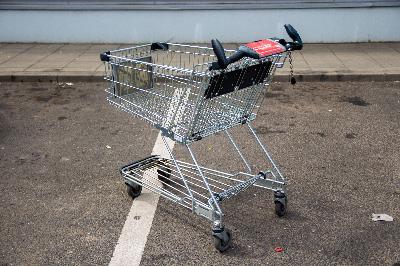
To me, the perfect encapsulation of this phenomenon is someone who takes a shopping trolley to their car and just leaves it blocking a parking spot before driving off. This is not illegal. There are not going to be any real repercussions. At worst, someone might give you the stink eye or have a few words.
The point is, there is no personal benefit to returning the shopping trolley. The next driver having to reverse out of what they thought was an open parking bay is not going to affect your life. And the 30 seconds it takes to walk the trolley back is time you will never get back. So why do it, right?
Well, it turns out I’m not the first person to think about this trolley issue. In fact, there’s been a lot of debate about what is known as the ‘shopping cart theory’. It even has its own Wikipedia page.
An internet forum post in 2020 called returning shopping trolleys ‘the ultimate litmus test for whether a person is capable of self-governing’ and ‘the apex example of whether a person will do what is right without being forced to do it’.
Maybe that’s a bit extreme, but I am willing to bet the same people who plonk their trolleys in a parking bay and drive off with a virtual middle finger are the first to call out hypocrisy among public servants. In my opinion, ‘rules for thee and not for me’ shouldn’t only be a criticism levelled at government.
Critics of the shopping cart theory raise objections such as not wanting to leave children unattended in the car, mobility issues for people with disabilities, bad weather and the perception that someone is employed to corral the trolleys.
I generally feel that if you can make it to the store and back, you can probably make the trip to the trolley station. But even if you accept those exceptions, there are many more people perfectly capable of returning trolleys who choose not to.
So how do you account for people who believe their time is more valuable than yours?
I think of it like recycling. Recycling your waste is not going to make a huge difference in the grand scheme of things. The Great Pacific Garbage Patch is more than double the size of France, and corporations are going to keep adding to the pollution problem.
But, like taking the trolley back, modelling good behaviour makes a difference. All it takes is one person to see you litter or leave the trolley behind and suddenly they think it’s okay. Doing the right thing causes positive ripples, however slight.
That’s enough of a reason, I think.
Stay in the loop with The North Coast Courier on Facebook, X, Instagram & YouTube for the latest news.
Mobile users can join our WhatsApp Broadcast Service here, or if you’re on desktop, scan the QR code below.