

All about Type 2 diabetes in kids
Type 2 diabetes is becoming more prevalent in kids because they’re not as active as they used to be. According to Mayo Clinic, type 2 diabetes in kids develop so gradually that there are often no noticeable symptoms. Often, it’s only diagnosed during a routine check-up. Does your child have Type 1 or Type 2 diabetes? …
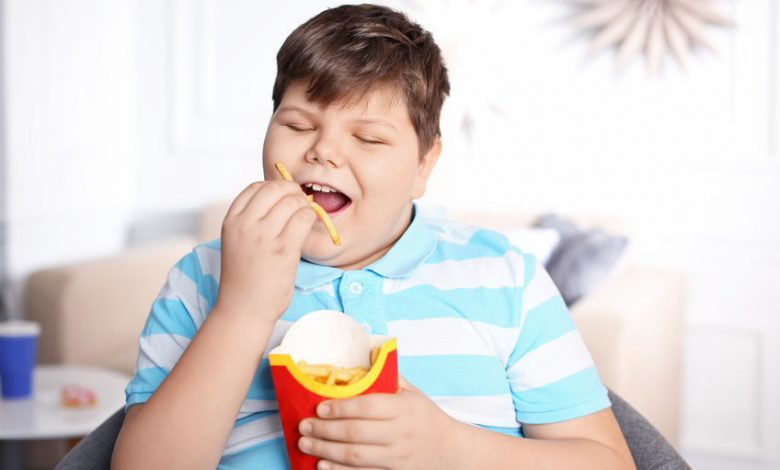
Type 2 diabetes is becoming more prevalent in kids because they’re not as active as they used to be. According to Mayo Clinic, type 2 diabetes in kids develop so gradually that there are often no noticeable symptoms. Often, it’s only diagnosed during a routine check-up.
Does your child have Type 1 or Type 2 diabetes? Here are a few key differences between the two conditions:
Type 1 diabetes
Type 1 Diabetes used to be called ‘juvenile diabetes’ because it was most often diagnosed in children. It’s an auto-immune condition, unrelated to lifestyle or diet. If your child has Type 1 diabetes, you’ll know very quickly because they will get very sick.
Symptoms of Type 1 diabetes include:
- Very hungry
- Very thirsty
- Needing to pee a lot, especially at night
- Sudden weight loss
- Exhaustion
Type 2 diabetes
Type 2 diabetes, on the other hand, develops slowly. Until recently, it was mostly seen in older people – one of the risk factors is being over 45-years-old. But it is being diagnosed in children more and more. This is largely because our kids aren’t as active as they used to be – one of the main risk factors is a lack of physical activity. Another is being overweight or obese, particularly around the tummy area, and having a family history of diabetes.
Symptoms of Type 2 diabetes include:
- Increased thirst and need to go to the loo a lot more
- If your child is tired all the time
- If your child has blurry vision
- Darkened areas of the skin – especially around the neck or in the armpits
- Weight loss (however, this is less common in kids with type 2 diabetes than in children with type 1 diabetes).
Three ways to prevent Type 2 diabetes
- Eating healthy: Cutting out junk food, sweets and treats, juice, and fizzy drinks. Also, cut out refined carbs, which means white bread, white rice, pasta – all the white foods. Eat lots of green vegetables (half a plate with each meal), good quality protein, and some wholegrain carbs. It might feel like a big adjustment, but your whole family will feel better if you start eating healthier.
- Exercise: Being fit doesn’t have to mean joining a gym. It can be as simple as a 30-minute walk, most days of the week. Or some stretching or yoga at home, or a game of soccer with the neighbourhood kids. It’s so important for kids to be physically active.
- Losing weight: Maintaining a healthy weight is important for all children. If your child is active and eating healthy, drinking lots of water, and staying away from junk food, weight loss will be a natural result.
Stay in the loop with The North Coast Courier on Facebook, X, Instagram & YouTube for the latest news.
Mobile users can join our WhatsApp Broadcast Service here, or if you’re on desktop, scan the QR code below.