

Seven common car repair myths busted
"Cars today are engineered to very tight tolerances and small issues can quickly escalate" - Griesel.
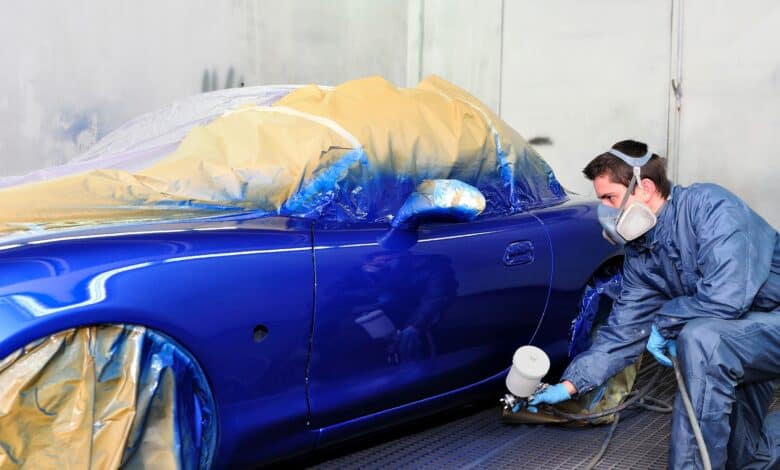
Social media car-care hacks and DIY “quick fixes” could leave motorists with bigger repair bills and even compromise vehicle safety.
The South African Motor Body Repairers’ Association (Sambra) has busted seven common repair myths, warning that seemingly minor damage can hide bigger problems.
“Most motorists are shocked to discover how sensitive modern automotive paints, plastics and even safety systems have become,” said Sambra Free State and Northern Cape vice-chairperson Alewyn Muller.
1. A small scratch is harmless
A break in the clear coat exposes paintwork to UV and moisture, allowing rust to develop beneath the surface.
“What could have been a quick touch-up easily becomes a full respray if ignored,” said Muller.
2. An intact bumper means there is no damage
Modern bumpers conceal energy absorbers and crash sensors that can be damaged or knocked out of alignment by even a light impact.
“This puts you at risk in your next accident, when you really need those systems to work,” said Hendrik Griesel, SAMBRA Chairman for the Eastern Cape.
3. Toothpaste or baking soda removes scratches
These household abrasives can dull paintwork, requiring professional polishing or even repainting to correct.
4. A plunger can remove dents
DIY dent removal can stretch panels or pull off paint. Proper paintless dent repair requires specialist tools and training.
5. Touch-up paint will match your car
Off-the-shelf paint is unlikely to accurately match modern, complex vehicle finishes and could make the damage more noticeable.
6. Replacement parts arrive painted
New parts generally require preparation, colour matching, painting and curing at the repair workshop.
7. Hairline cracks mean poor workmanship
Cracks can result from pressure on a flexible bumper after it has been repaired.
“If something presses against a flexible bumper, the paint can crack,” said Griesel. “This doesn’t automatically indicate bad workmanship.”
Sambra advises motorists to wash their cars regularly and remove bird droppings, tree sap and other contaminants within 48 hours to protect the paintwork.
Stone chips should be repaired before rust spreads, while wheel alignment should be checked after hitting a pothole or kerb as damage may not always be visible.
Motorists should also avoid repeatedly using DIY cutting polishes, which can wear through the clear coat, and keep invoices for accredited repairs.
“If something looks off, even slightly, get it checked,” said Griesel.
“Cars today are engineered to very tight tolerances and small issues can quickly escalate.”
Stay in the loop with The North Coast Courier on Facebook, X, Instagram & YouTube for the latest news.
Mobile users can join our WhatsApp Broadcast Service here, or if you’re on desktop, scan the QR code below.