Cabinet is considering expanding the list of basic goods that will be zero-rated following a 1% Value Added Tax (VAT) increase. Welcoming the confidence expressed in the 2018 national Budget tabled last week, Cabinet said it is looking at the possibility of adding additional items to the list of VAT exempted goods.
South Africa’s VAT system includes 19 basic food items that are zero-rated.
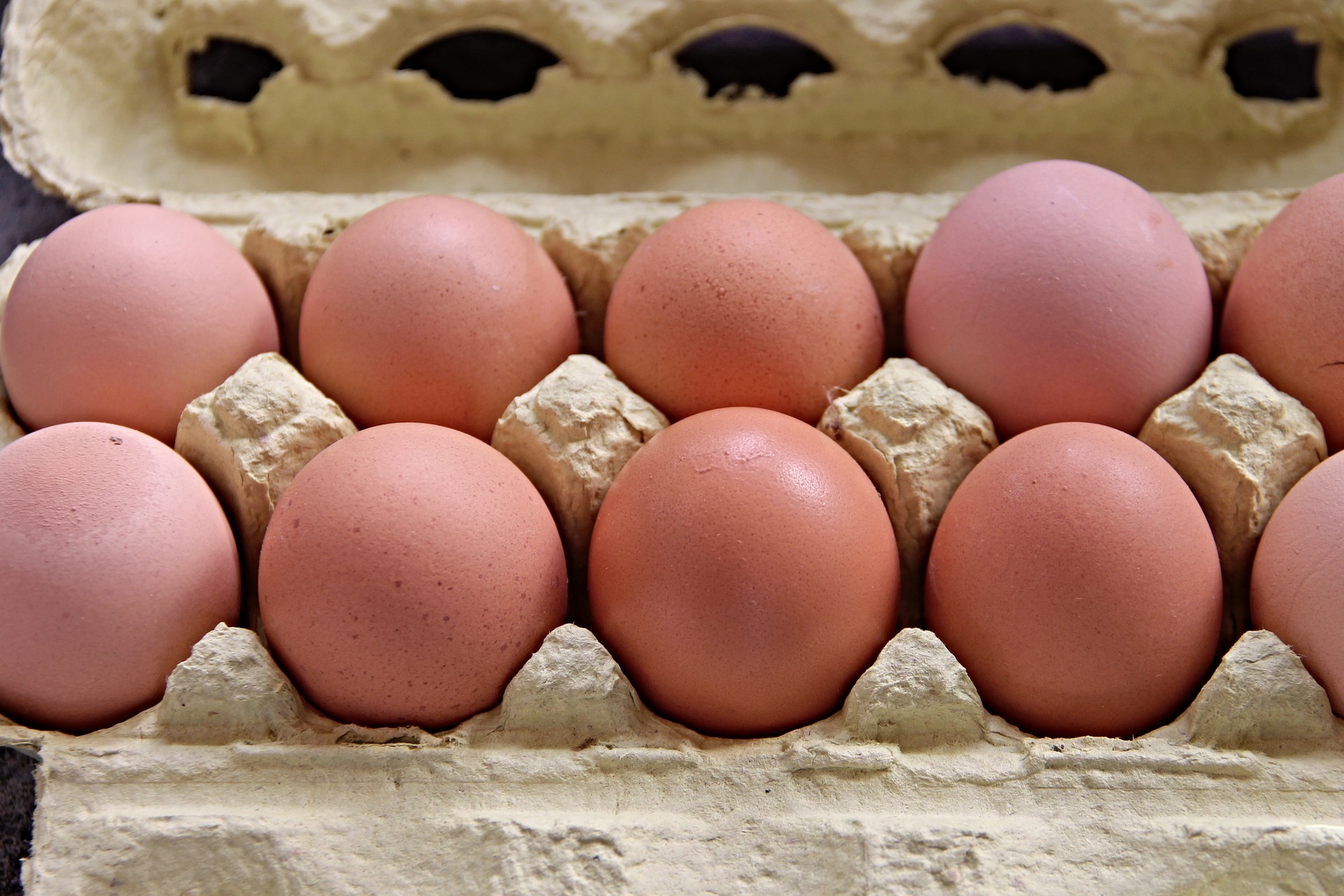
These are: dried beans, samp, maize meal, rice, brown bread, vegetables, fruits, vegetable oil, mealie rice, pilchards in tins, edible legumes and pulses of leguminous plants, eggs, milk, dried mealies, dairy powder blend, lentils, cultured milk, milk powder and brown wheaten meal.
Read also: Smokers, drinkers to feel the pinch-Budget 2018
“As a response to the concern raised on the VAT increases proposed, Cabinet is considering expanding the list of basic goods that are zero-rated on VAT,” said new communications minister Nomvula Mokonyane on Thursday. “What was actually raised is that we definitely need to reflect but also unpack and give more clarity around the issues of VAT. One of the key considerations is the addition of items that must be zero rated.”
The R1.67 trillion Budget tabled by former Finance Minister Malusi Gigaba in the National Assembly recently raised VAT by a percentage point to 15%.
VAT had previously been pegged at 14% since 1993.
Read also: Rye, low GI bread to be removed from VAT exempted goods