
Working our way back to ‘normalcy’
Mudaly said as things are settling down, parents now have time to process and organise their thoughts and emotions, therefore, they should try to be more mindful of modelling good responses to current topics
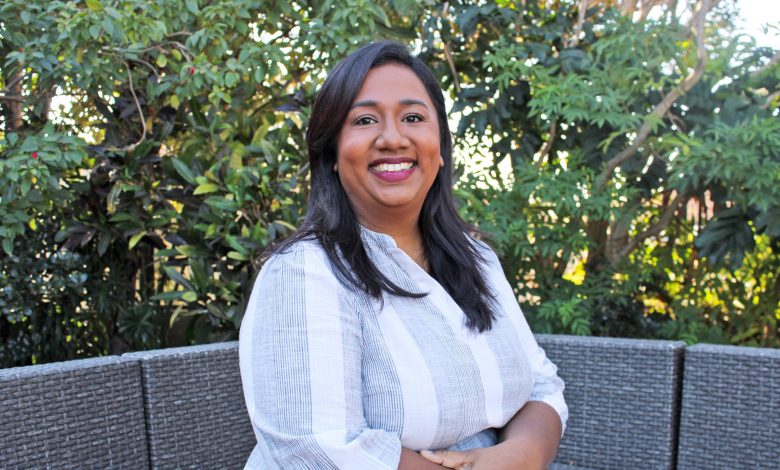
THE trauma experienced in the aftermath of the civil unrest has been profound and many have found their own ways to cope, says Durban North specialist wellness counsellor, Alishia Mudaly.
“We can call them stop-gap measures. Some of us threw ourselves into the front lines to protect our families, we got involved in clean ups, we tried to get back into our routines as quickly as possible. However, at some point in our rush to get back to normalcy, we were hit with the reality that this experience has had an impact on every one of us, including our children,” she said.
READ ALSO: North Durban church offers free online trauma counselling following unrest
After leading several support groups over the past two weeks, Mudaly said she found that many parents’ initial reaction was to completely shield their children from the outside world. There were some parents, however who were unable to do this, as they were in the middle of the civil unrest and the danger and trauma of violence was a stark reality.
“We all had different versions of the experience, however ultimately all of us were left traumatised at different levels. As a result some of us have become anxious, angry, feel out of control, overwhelmed, the body wants to fight or run away. It is not something you choose. These reactions just take over. Some may feel zoned out, numb, exhausted, forgetful or unfocussed.”
Mudaly said a things are settling down, parents now have time to process and organise their thoughts and emotions, therefore, they should try to be more mindful of modelling good responses to current topics.
READ ALSO: Raising happy children despite the stress of Covid-19
“As things are settling down, parents now have time to process and organise their thoughts and emotions, therefore, try to be more mindful of modelling good responses to current topics. As many children will be returning to schools, parents may be faced with some difficult questions, as children may discuss their experiences and what they have heard at home in their classrooms. As a teacher, principal, school counsellor, it is important that we are prepared for these difficult conversations.,” she said.
This week as our children return to school and normal life in time, it is important to take cognisance of the following:
Many of us will process trauma differently and at different stages
Be gentle on yourself and on the children. Stick to your routines, it helps us feel a semblance of normality. Take it one day at a time.
Limit the children’s exposure to news and talk of current issues
Children do not have the tools to process these subjects and therefore will not be able to process them. This extended exposure heightens their anxiety and stress. They also cause us to become hyper vigilant. Do not play voice notes from community groups in front of children. Also limit your exposure to fake news in general.
We will experience symptoms of Post-Traumatic Stress Disorder
Irritability hostility, hypervigilance, social isolation, flashbacks, mistrust, loss of interest, nightmares, interrupted sleep or insomnia. Some children have experienced a sense of hypervigilance and so are anxious when their parents go out to work or shopping. If these symptoms exist, it is also important that you consult with either the school counsellor or a therapist to help. There are also amazing apps available for both children and adults that help with anxiety and stress such as Insight Timer.
“Children need to feel safe, have their feelings validated and know that whatever is happening in the country right now, our community and the adults are ensuring that we are safe. Try and focus on all the positive that came out during these last few weeks,” said Mudaly.
Referring to a book written by Dr Judith Herman, Trauma and Recovery, Mudaly said trauma recovery is a three stage process and recovery is made faster if one focuses on one stage at a time.
Establishing safety
Train your nervous system to feel safe again with:
Yoga,
Breathing exercises
Good sleep habits
Healthy exercise and eating habits
Supportive counselling
Remember and Mourn
Confront the distressing memories, and mourn what was lost and to file the trauma away in the past.
Writing therapy- journaling, etc.
Join a support group. This will help you process and mourn.
Reconnect
Learn ways to rebuild your life in the present pursue aspirations for your future:
Develop and deepen relationships.
Practice gratitude.
Engage in social action.
Connect with spirituality.
Express yourself through art.
* Notice: Coronavirus reporting at Caxton Local Media aims to combat fake news
Dear reader, As your local news provider, we have the duty of keeping you factually informed on Covid-19 developments. As you may have noticed, mis- and disinformation (also known as “fake news”) is circulating online. Caxton Local Media is determined to filter through the masses of information doing the rounds and to separate truth from untruth in order to keep you adequately informed. Local newsrooms follow a strict pre-publication fact-checking protocol. A national task team has been established to assist in bringing you credible news reports on Covid-19. Readers with any comments or queries may contact National Group Editor Irma Green (irma@caxton.co.za) or Legal Adviser Helene Eloff (helene@caxton.co.za).