How repotting can give your plants a new lease on life
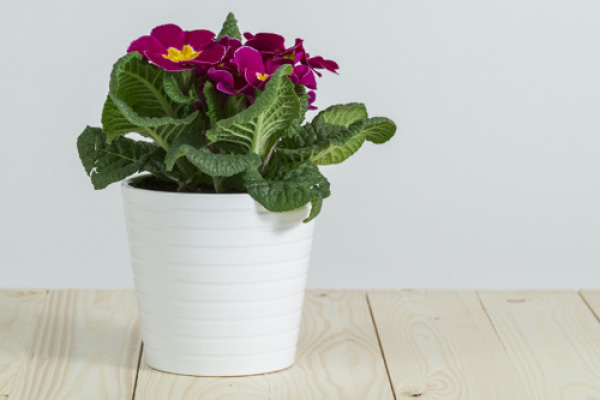
Winter is a great time to focus on your indoor plants which in Durban tend to thrive in the relative warmth and carbon-dioxide-rich environment of a home. Although many times winter is less a time for gardening outdoors, those with green fingers can sate their need for green living indoors.
Repotting is a great way to spruce up plants in the winter and give them a new lease on life before the spring growth begins. Repotting has a stimulating effect and can sometimes even save a plant that is in decline and perhaps hasn’t been doing as well as it should in the pot or position you have had it for some time.
With indoor potted plants, there is less chance for soil chemistry to be revitalized as it naturally is outdoors. The longer a plant stays in the same pot, the more likely that the salts and mineral residues from water will build to harmful levels in the potting mix. In the potting medium there is the chance of diseases as organic matter such as peat moss which is often part of the potting soil, disintegrates.
From a purely aesthetic point of view repotting allows you to update your pots to something which is more in keeping with your current decor and adding something new to a room. Just because you have indoor plants doesn’t mean you have to be stuck with the same containers all year round. Unlike outdoors gardens where plants are fixed in the ground, indoor plants can be moved around like furniture to dramatically change the look of a room.
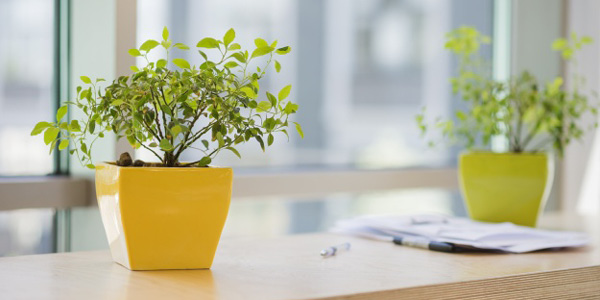
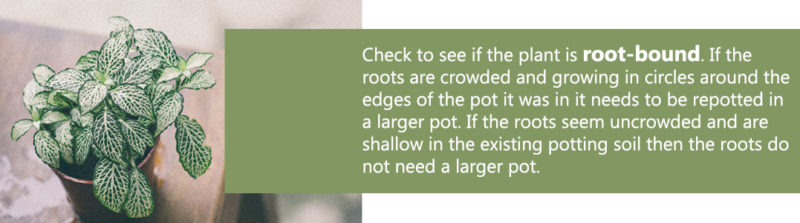
From a practical point of view, plants need to be given space to grow whether they are planted outdoors or indoor. In pot plants roots can become root-bound – tightly packed and cramped. This inhibits growth and plant development. Root-bound plants also require extra watering as there is less soil to hold moisture as the plant slowly uses it. Houseplants that look extra dry despite frequent watering are often in desperate need of repotting.