
Why your toddler gets scared
When toddlers become mobile and start exploring the world around them, they begin to learn about the risks all around them. Since their brains are still developing, they try to make sense of all this new information. It’s only natural for them to become anxious about what they see and hear. A loud bang of …
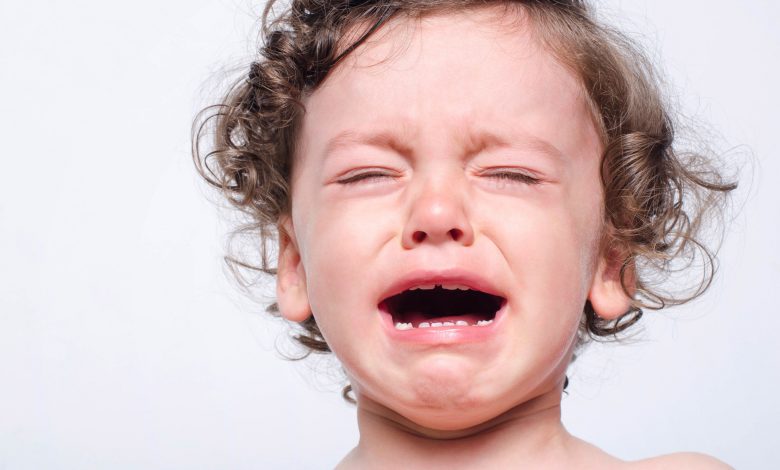
When toddlers become mobile and start exploring the world around them, they begin to learn about the risks all around them. Since their brains are still developing, they try to make sense of all this new information. It’s only natural for them to become anxious about what they see and hear. A loud bang of thunder, for example, will scare them and the fight or flight part of the brain will trigger a toddler to run for safety. Fear and anxiety are a human instinct and your role and behaviour as a parent can have a positive effect on how your toddler handles any fear or anxiety.
Common triggers of fear in toddlers include
- Fear of the dark
- Monsters
- Thunder and lightning
- Strangers
- Fireworks
- Animals they are unfamiliar with
- Being alone
- Separation from parents
- Your child may also be worried about going to the doctor and dentist, or seeing people dressed up or wearing masks, for example clowns or cartoon characters.
The difference between anxiety, fear and phobia in toddlers
Unlike anxiety, fear is usually short-lived, predictable and doesn’t last – it goes away with time. Anxiety can be potentially chronic and sometimes life-long. It can run in the family or be triggered by the family behaviour or environment. For example, if you are scared of dogs, it may rub off on the child and make them really uncomfortable around dogs. That is why you need to be aware of your behaviour in front of your child. Anxiety can easily develop into a phobia, which is an extreme fear, and can be triggered by a bad experience. For example, your child may have been attacked by a dog and anything associated with a dog may send them into a frenzy, even a picture.
Handling anxiety in your toddler
You can help your child be less anxious by being consistent, sensitive and patient. If your toddler is anxious or fearful, don’t aggravate their fear rather get down to their level and comfort them. Don’t belittle the fear or laugh at them. Calm them down by maintaining eye contact and smiling. If there is a physical activity that frightens your child, try making the task a bit easier by letting them start halfway down. Once they’re confident, they will be more likely to want to try from the top.
Coping with a phobia
You can help your child overcome a phobia by seeking professional assistance for your child. Alternatively, you can help them through the phobia until they are comfortable. For example, for a child with a phobia of dogs you can:
- Look at the dog from afar together at first.
- Arrange a visit to a neighbour’s friendly dog – but only when it is asleep.
- Once your child is calm, the next step would be to approach the dog, and for you to stroke the sleeping dog’s back while your toddler watches and holds your other hand.
- Encourage your child to stroke the sleeping dog’s back.
- If the dog has woken up, your toddler may be happy to take the dog for a quick walk.
- Your child may eventually want to take the lead for themselves.
It’s a process
You can help your toddler with handling a fear, anxiety or phobia. But you will need to be patient and sensitive. Allow the process to take as much time as they need-there is no rush. Remember, you know your toddler better than anyone.