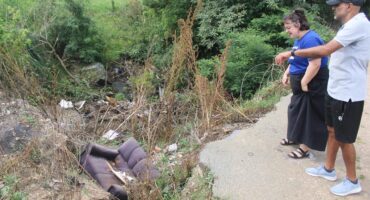
Rallying for better by-law enforcement in Johannesburg’s parks and green belts
Community Cleaners and ward councillors are fighting a losing battle against by-law infringement and the challenges of violations, and are calling for immediate action.
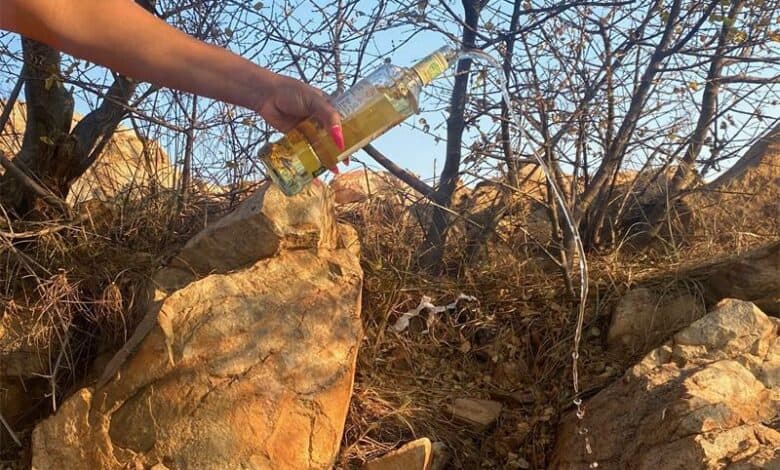
Public parks in Johannesburg have become hotspots for litter, by-law infringements, and public drinking, prompting local community initiative, Community Cleaners, to take action.
Every Saturday, volunteers led by Andre Swanepoel dedicate their time to cleaning these public spaces, emphasising the need for stricter enforcement of by-laws to ensure parks remain safe and clean.
Read more: Eight years of neglect at Emma Park sparks frustration
Swanepoel highlighted the importance of by-law enforcement, stating: “While we focus on cleanup and community involvement, effective enforcement is critical to ensuring that the parks and greenbelts remain protected.”
He called for stronger collaboration between community initiatives and the City of Johannesburg, urging them to uphold existing regulations.
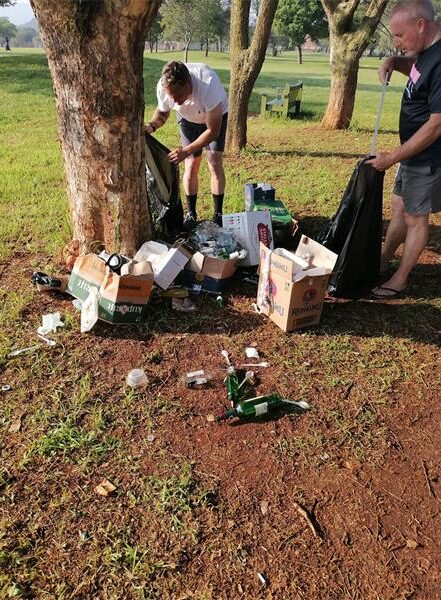
Community Cleaners, while committed to maintaining cleanliness, acknowledge limitations in addressing issues like public drinking and the presence of displaced individuals. “We do not have the resources or mandate to directly intervene,” Swanepoel explained. “However, we take measures to create safer environments by regularly cleaning areas prone to such activities, and reporting incidents to local authorities.”
He proposed that the city implement comprehensive programmes to support displaced individuals, suggesting initiatives that provide access to mental health services, job opportunities, and housing solutions. “Collaboration with local NGOs and service providers can play a key role in addressing the root causes of displacement in open spaces,” he added.
Also read: The struggle of Johannesburgs displaced park dwellers
Former Ward 99 councillor Nicole Van Dyk echoed Swanepoel’s concerns, highlighting the need for more law enforcement officers to manage the growing issues in the area. “In Region B, which comprises 12 wards, there are only four vehicles available for patrol each day,” she noted. The region has lost 100 officers to the inner city, leaving other areas vulnerable to illegal activities such as unregulated food vendors and taxi ranks.”
Van Dyk criticised the city’s funding excuses, suggesting that revenue could be generated by cracking down on illegal advertising. “This is an easy avenue of attack, making the fining process straightforward,” she asserted, which could allow the city to fund more by-law enforcement vehicles.
Addressing land invasions, Van Dyk pointed to the complexity of the issue. Many individuals occupying parks are recyclers, who, while providing a valuable service, contribute to litter accumulation.
She stressed the need for more homeless shelters and formalisation of the recycling industry, as current regulations prevent displacing individuals without providing alternative housing.
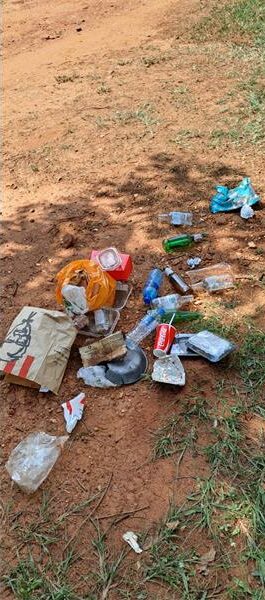
Both Swanepoel and Van Dyk shared concerns that the situation is deteriorating. “Every major arterial road in the Region B area is overrun by informal traders and unsanctioned taxi ranks,” Van Dyk stated. “Public parks are no longer utilised by residents, and JMPD enforcement is virtually nonexistent.”
The loss of public spaces has broader implications, creating a cycle of disillusionment among residents and leading to decreased revenue for the city. “This results in less service delivery and a decline in capital expenditure projects,” Van Dyk warned.
Despite repeated requests for a public meeting with the MMC of Safety and Security and local law enforcement, Van Dyk reported that the regional director has failed to respond, indicating a lack of concern for community issues.
In response to ongoing challenges, JMPD Superintendent Xolani Fihla acknowledged the city’s awareness of public drinking in parks and outlined their efforts to enforce by-laws prohibiting alcohol consumption in public spaces. Regular patrols and collaborations with organisations like Community Cleaners are part of JMPD’s strategy to address these issues.
The City of Johannesburg is also promoting public awareness campaigns to educate residents about by-laws and encourage responsible behavior in parks. These initiatives aim to foster a safe and enjoyable environment for all park users, but the effectiveness of such measures remains to be seen as community concerns grow.
Follow us on our Facebook, X, Instagram, and TikTok pages. Join our WhatsApp group for any story ideas you may have.
Related article: Who is ultimately responsible for keeping public parks usable?