Rahima Moosa Mother and Child Hospital’s new clubfoot clinic gives babies a strong start
A new clubfoot clinic at Rahima Moosa Mother and Child Hospital is transforming lives through early treatment and giving babies the best chance to walk with ease.
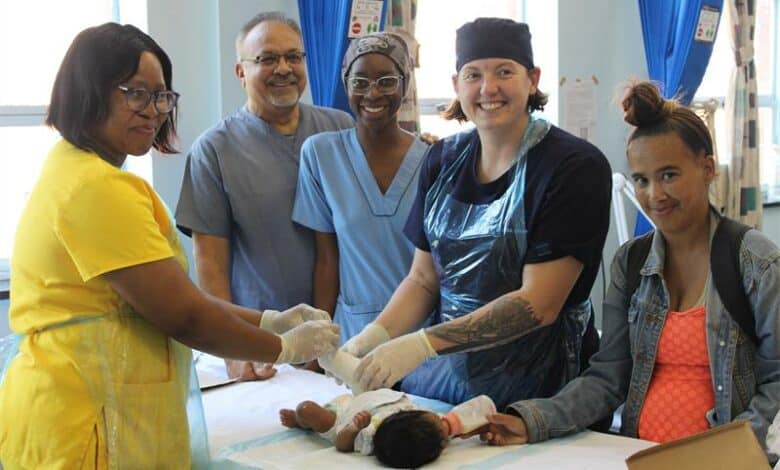
A group of dedicated healthcare professionals has launched a specialised clinic at Rahima Moosa Mother and Child Hospital to improve early diagnosis and treatment for babies born with clubfoot.
The clinic operates every Wednesday in the hospital’s physiotherapy gym. Referrals start from 08:30 until 09:00, and the clinic is open until 12:00, providing critical care and parental education.
Read more: A new mother welcomes quadruplets into the world at Rahima Moosa Mother and Child hospital
What is clubfoot?
Clubfoot is a congenital condition where a baby’s foot turns inward and downward. Without treatment, it can lead to severe mobility issues. Idiopathic clubfoot is the most common, with no known underlying cause.
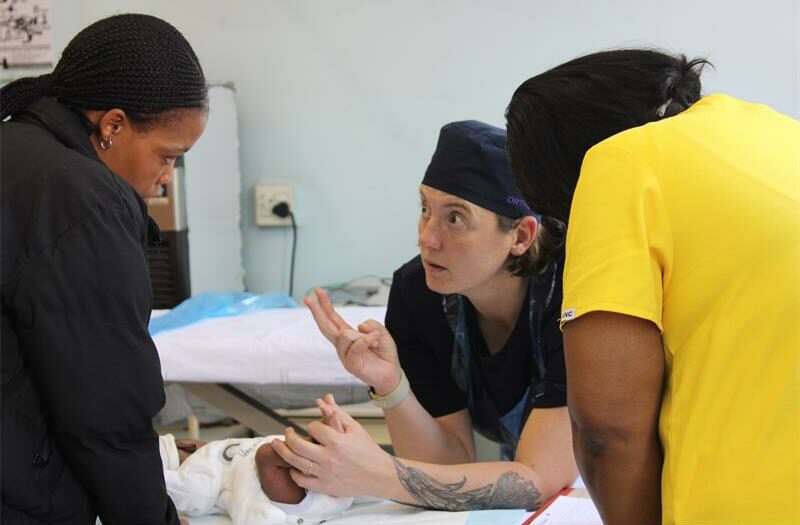
Physiotherapist Itumeleng Motlal, one of the clinic’s key figures, emphasised the importance of proper training for doctors in diagnosing and managing clubfoot. “Most doctors are not trained in handling clubfoot, which makes treatment difficult,” she said. “At our clinic, we assess newborns to determine if their condition is true clubfoot or just a positional issue. Early intervention makes a significant difference.”
Treatment
The clinic follows the Ponseti method, a globally recognised non-surgical approach that involves weekly casting to gradually correct the foot’s position. Babies typically require more than six casts, with a scoring sheet guiding the treatment. If resistance is detected, a minor procedure called an Achilles tenotomy is performed to release the tight tendon at the back of the heel.
Also read: Rahima Moosa Mother and Child Hospital new MRI scanner
Dr Jana Dreyer, another key member of the team, highlighted the importance of early detection. “We want to see babies within the first week of life. The earlier we start casting, the better the outcome; early intervention ensures easier correction,” she said.
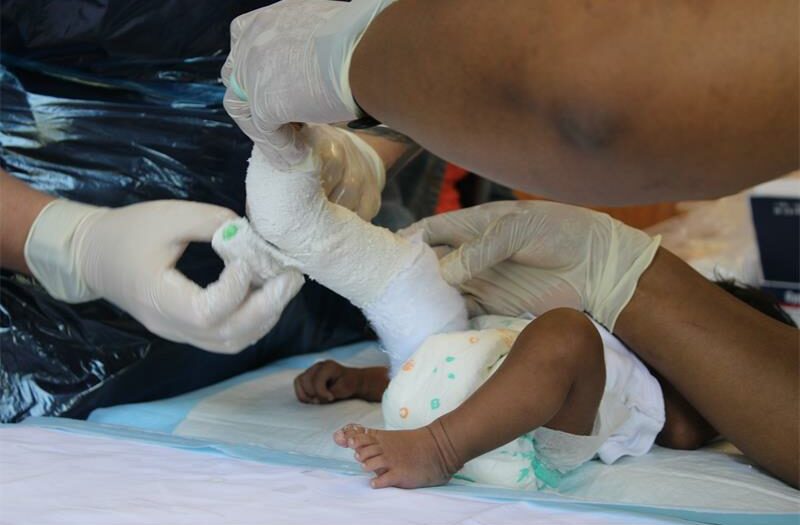
The clinic also plays an educational role, teaching parents how to care for their baby’s cast and monitor blood circulation. “Parents must check their baby’s toes frequently. If they turn blue or feel cold, the cast may be too tight and should be removed immediately,” Motlal explained. Other guidelines include ensuring the cast stays dry, removing it the night before a follow-up visit, and calming the baby during treatment.
The following information was provided for caregivers or mothers:
- Please be compliant and bring the baby to the clinic to ensure treatment is effective
- When you get home, check the baby’s toes every hour for the first six to eight hours of a new cast.
- The baby’s toes should be warm and pink, if not, the cast might be too tight.
- If your baby’s toes are cold and bluish, please remove the cast immediately.
- If you cannot see the tops of your baby’s toes, the cast might have slipped.
- Keep the cast clean and dry.
- Give your baby a sponge bath.
- Remove the cast the night before the clinic.
- Assist the health care professionals by calming and soothing the child during casting.
Despite the clinic’s success, awareness remains a challenge. “Many people do not know about our clinic. We need to reach out to more clinics and hospitals to spread the word,” Motlal added. The team aims to work closely with community clinics to ensure more referrals.
Dr Karim Kanji, another leading physician at the clinic, noted the overwhelming demand for treatment. “We see between 65 and 80 patients, and because clubfoot requires consistent care, each case demands attention.”
For now, the clinic welcomes referrals from outside medical facilities, ensuring that babies receive timely and specialised care. “We are making a massive difference in these children’s lives,” Dreyer concluded.
On this new journey in treating clubfoot, Motlal praised the occupational therapists, Nombuso Masuku, Rabelani Ramulumisi, and Celine Anderes, along with Sister Ndugiselo Makhosi, for their resilience and determination in this new initiative.
As the clinic continues its work, its founders hope to expand access to clubfoot treatment, ensuring that every affected child has the chance to walk without difficulty.
Follow us on our Facebook, X, Instagram, and TikTok pages. Join our WhatsApp group for any story ideas you may have.
Related article: International Nurses Day at Rahima Moosa Mother and Child Hospital