New municipal tariffs will increase: But how much more will you be spending?
Johannesburg's residents are set to pay more for necessities like water and electricity from July 1. See what the potential changes could mean for your monthly bills, and what the DA suggests needs to change.
From July 1, residents of Johannesburg could start paying more for basic services as the City of Johannesburg’s (CoJ) proposed draft tariffs for the 2025/26 financial year take effect, pending final approval after a public participation process.
The tariffs are part of the municipality’s integrated development plan (IDP) for the 2025/26 financial year.
Read more: What you pay for an ambulance or doctor’s visit after the tariff increase
According to Ward 117 councillor Tim Truluck, the proposed increases have sparked an outcry from ratepayers already buckling under economic pressure. Public comment is open until May 12, after two key changes were made to the original draft following resident feedback during the week of March 24–29.
One of the few relief measures includes the city keeping the first 6kL of water free per household. This means, that if your household uses less than 6 000l of water a month you pay nothing for water.
However, anything over that amount will be charged for, along with the proposed increase, which is 13.9%. For example, if you previously paid R250 for your monthly water bill, after the increase you’ll now pay around R285, depending on usage.
Electricity tariffs could also increase by 12.74%. Prepaid customers, using more than 500kWh per month, will now pay around 14.82% more.
For instance, if you previously spent R1 000 on prepaid electricity monthly, you may now pay close to R1 150. Fixed charges remain unchanged at R200 plus VAT per month for prepaid users, but this amount applies even if you don’t use any electricity.
Sewerage could increase by 13.9%, meaning that if your current monthly bill is R150, expect to pay about R171 starting July. The cost of waste collection could also increase by 6.6%. A household currently paying R250 monthly will soon pay about R266.50.
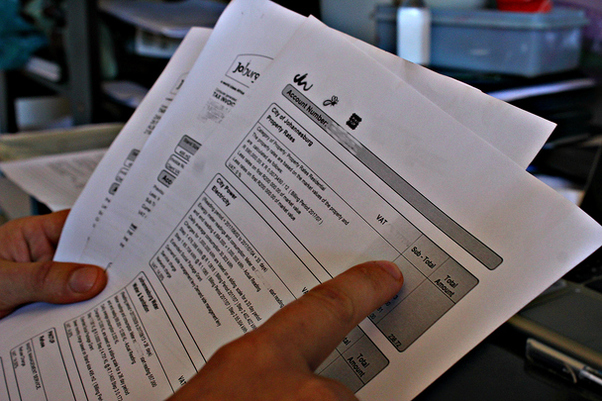
Rates and taxes on property could potentially also see an increase of 4.6% this year.
Also read: R200 City Power tariff is being reviewed
Residents pushed to the edge
Vaunn Kelly, a resident of Emmarentia, says: “The average resident is paying more and getting less. How are we supposed to survive with annual salary increases of just 4.4%, while services go up by double or triple that?”
These increases come amid long-standing complaints about service delivery in Johannesburg. Many communities continue to struggle with water outages, electricity failures, and deteriorating roads.
Kelly highlighted that it is not a surprise when one combines the poor and declining CoJ services with increasing taxes and declining real estate values. “Many residents have left Johannesburg for greener pastures, which puts the property prices under more pressure and reduces the base of residents that pay the CoJ in full each month and on time – further destabilising the financial situation of the city.”
Opposition voices speak out
Chris Santana, the DA’s Shadow MMC for Finance, says while the DA supports free basic water as a constitutional right, he is concerned about the lack of clarity on whether the 6kL will remain free during water restriction periods. “It’s unacceptable that this lifeline is tied to water restriction levels,” he said. The DA has called for the city to guarantee this allocation unconditionally.
Regarding electricity, Santana argues that low-income and working-class households are being unfairly burdened. “These increases aren’t just numbers; they’re a direct blow to people’s ability to keep the lights on,” he said, demanding transparency on how these funds will be used to improve infrastructure.
Residents are encouraged to submit objections or comments by May 12, after which the city will finalise the tariffs. The City is hosting public meetings until May 10, and written submissions can be made online or via email. Residents can attend the IDP meeting in Region B on April 8, at the Danie van Zyl Recreation Centre in Newlands.
Follow us on our Whatsapp channel, Facebook, X, Instagram and TikTok for the latest updates and inspiration! Have a story idea? We’d love to hear from you – join our WhatsApp group and share your thoughts!
Related article: Hefty tariff increases face Joburg residents