
Breaking the stigma on waste reclaimers of Johannesburg
Waste reclaimers are seen as nothing more than homeless nuisances, but their invaluable work saves municipalities millions of rands each year, not to mention landfill space.
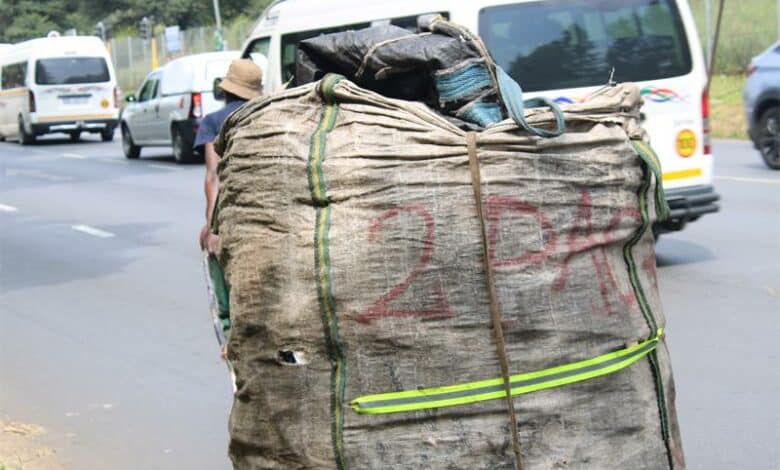
The African Reclaimers Organisation (ARO) has issued a strong call to the City of Johannesburg (CoJ) and the broader public to recognise the essential work of waste reclaimers, and to provide them with the necessary infrastructure to operate with dignity and safety.
ARO programme co-ordinator Nandi Tutani stressed the urgent need to shift harmful perceptions that connect waste reclaimers with homelessness, and instead focus on the vital role they play in South Africa’s waste management system.
Read more: Where to dump your garden refuse and general waste in Johannesburg?
“Reclaimers are not homeless people. They follow the materials,” Tutani explained. “If someone finds recyclable waste in places like Emmarentia or Linden, they need a space nearby where they can work – aggregate, sort, and sell. That doesn’t mean they live there. They camp temporarily for work purposes and move on. Homeless people remain in those spaces; that’s the difference.”
According to ARO, reclaimers collect nearly 90% of all materials that are recycled in the city, saving Johannesburg municipalities an estimated R780m annually in landfill space alone.
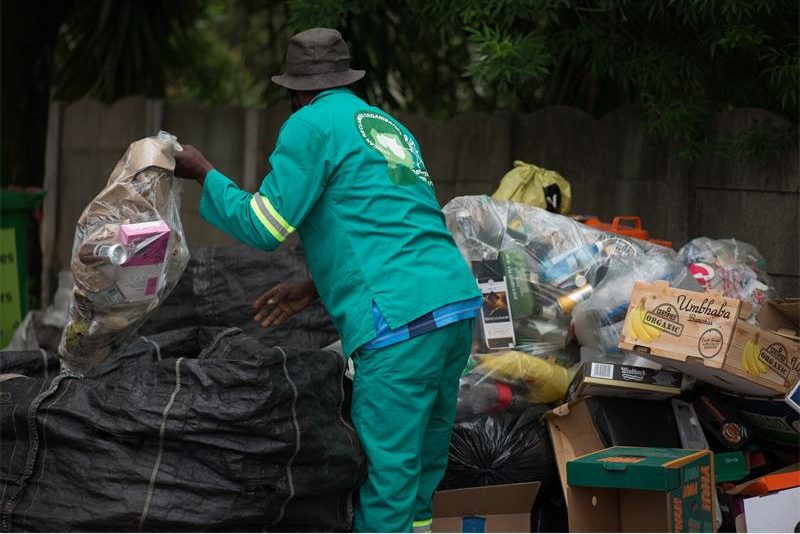
Also read: Waste reclaimers divide community opinions
Despite this contribution, reclaimers are still marginalised and stigmatised. Tutani highlighted the ongoing lack of infrastructure to support their work, and the disconnect between city officials and the lived realities of reclaimers.
“There’s a big gap in understanding just how specialised this work is. Waste reclaimers are experts at identifying, sorting, and collecting recyclable materials,” she said. “But they are often pushed aside, misunderstood, and blamed for untidy public spaces, when, in fact, they know how important it is to clean up after themselves.”
ARO, a member-based organisation, provides reclaimers with resources they typically wouldn’t have access to, including transport, bulk bags, protective gear like safety boots, gloves, and masks, as well as training in health and safety protocols. They also connect reclaimers to better-paying markets.
“Our biggest fight is against the stigma,” said Tutani. “We want to bring dignity to reclaimers, and educate the community about how critical their work is. They are diverting significant volumes of waste from landfills, and yet they have no formal spaces to work from.”
Tutani said the organisation is in talks with the CoJ to establish dedicated work sites for reclaimers, but progress has been slow. “We’re not asking for much – just clean, safe spaces where reclaimers can do their work properly. It would benefit everyone, including the municipalities, and improve how waste is managed in the city.”
As negotiations continue, ARO remains committed to organising reclaimers, providing support, and advocating for their rightful place in the city’s waste economy.
Follow us on our Whatsapp channel, Facebook, X, Instagram and TikTok for the latest updates and inspiration! Have a story idea? We’d love to hear from you – join our WhatsApp group and share your thoughts!
Related article: 12 recycling tips for your waste