
Councillor warns of scammers demanding money to avoid electricity disconnection
Residents in Johannesburg are being targeted by scammers posing as municipal officials, demanding immediate payments to avoid electricity disconnections.
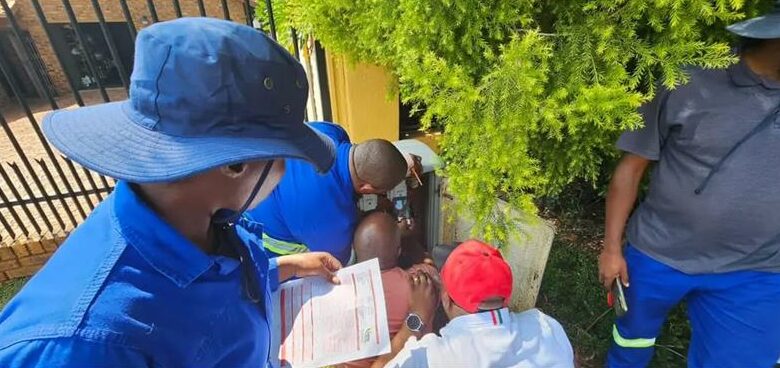
Ward 89 councillor Zander Shawe has raised concerns over a growing scam preying on vulnerable residents by threatening electricity disconnections.
He acknowledged receiving several reports pointing to this scheme, a scam that has shaken public trust in Johannesburg’s already fragile municipal systems. According to Shawe, the fraudsters exploit a key point of confusion: The difference between City Power and the City of Johannesburg’s (CoJ) revenue department. “It is important for residents to understand that City Power does not handle disconnections due to unpaid accounts – that responsibility lies with the CoJ.”
Read more: ‘We’ll cut your power in two hours’: Joburg residents targeted by electricity disconnection scam
This misinterpretation, he says, gives scammers just enough credibility to deceive residents into making hasty payments. They contact residents via WhatsApp or phone calls, warning them that disconnection is just two hours away unless immediate payment is made. “These fraudsters pose as municipal officials and, in many cases, demand that money be sent via e-wallet.”
Shawe first became aware of the scam in November last year, when a handful of residents in Constantia Kloof reported suspicious encounters. He began investigating and quickly discovered that the same scam was happening in multiple parts of the country. “They were using the same names, the same photographs, and even the same language. You’d think these scammers would evolve their tactics, but they haven’t had to – because it’s still working.”
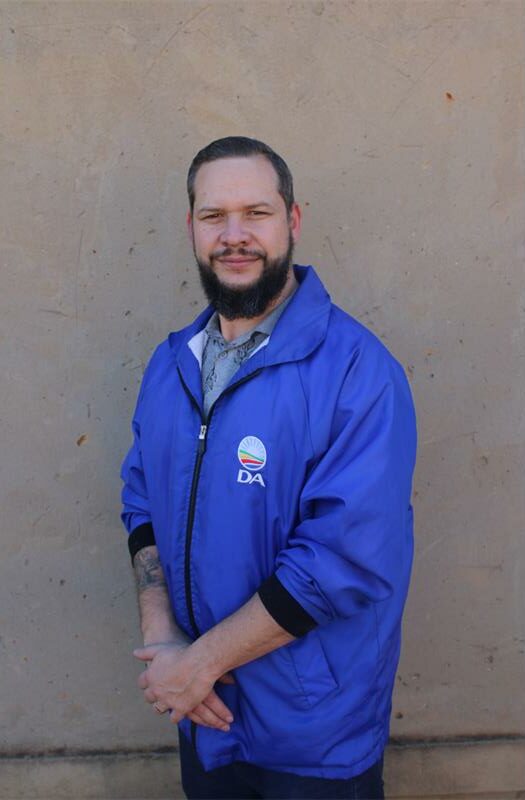
He urges all residents to remain vigilant and to never pay money to anyone claiming to be from the city via WhatsApp or phone. “If the city intends to cut off your electricity, they’ll do it. You’ll come home to find it off and a notice on your gate – they don’t call or text in advance.”
Shawe said that if residents are in doubt, they should call their ward councillor.
They should:
- Never make payments to anyone via EFT, e-wallet, or any informal method. Once paid, that money is gone,
- Always use official city channels to settle accounts, through known walk-in centres or verified regional email addresses,
- Always verify before reacting, and
- If someone contacts you demanding money, it is likely a scam. If the city intends to disconnect, they will not ask for payment first – they will simply cut the power and leave a notice.
Group Forensic and Investigation Service (GFIS) said they are aware of the scam, and that a lot of victims have been, and are being, scammed. “They use the same modus operandi. We have subsequently registered cases to investigate all incidents as we receive them.”
They said that victims of this scam should lodge a complaint with them through their e-mail: whistle@joburg.org.za, or toll-free hotline: 0800 002 587, or, alternatively, come to their office at 48 Ameshoff Street, Braamfontein.
Follow us on our Whatsapp channel, Facebook, X, Instagram, and TikTok for the latest updates and inspiration! Have a story idea? We’d love to hear from you – join our WhatsApp group and share your thoughts!