
Johannesburg locals take action to improve their streets and strengthen community bonds
From Fairland and Melville, to the other suburbs, we are seeing more and more groups of volunteers caring about the community they live in, and protecting it from further decay.
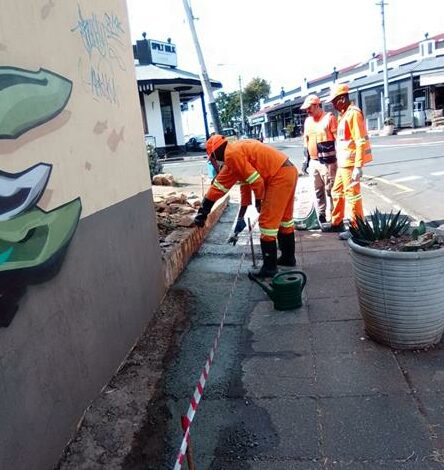
Across Johannesburg, communities are stepping up to take action in cleaning up their communities. Residents, volunteers, and local initiatives are taking matters into their own hands – cleaning streets, maintaining parks, and restoring public spaces. Their motivation runs deeper than civic pride; it reflects two enduring social theories that help explain why communities act: The Broken Windows Theory and the Collective Efficacy Theory.
Read more: Community takes action to clean up illegal dumping in Sophiatown
Making the community look good: Broken Window
First articulated in 1982 by social scientists James Q Wilson and George L Kelling, the Broken Windows Theory posits that visible signs of disorder – like graffiti, litter, or broken windows – signal a lack of social control. This neglect, in turn, encourages further disorder and even crime. While the theory has often been applied to policing, its principles extend to environmental and civic contexts.
Power in numbers: Collective efficacy
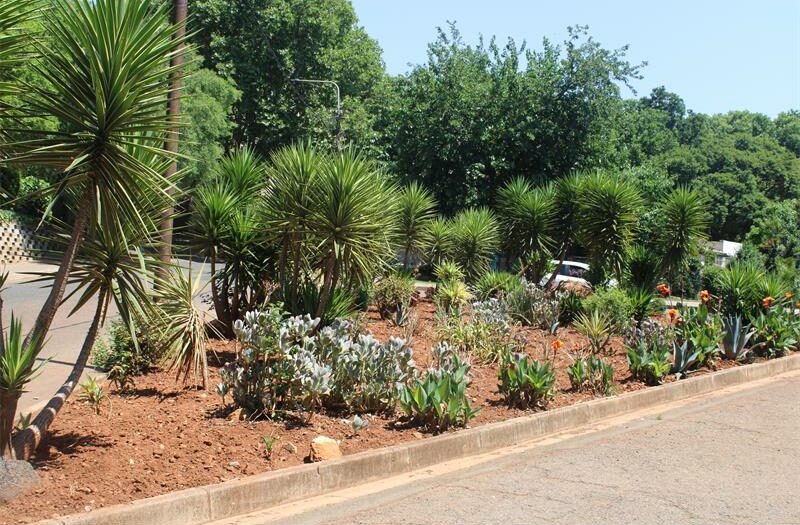
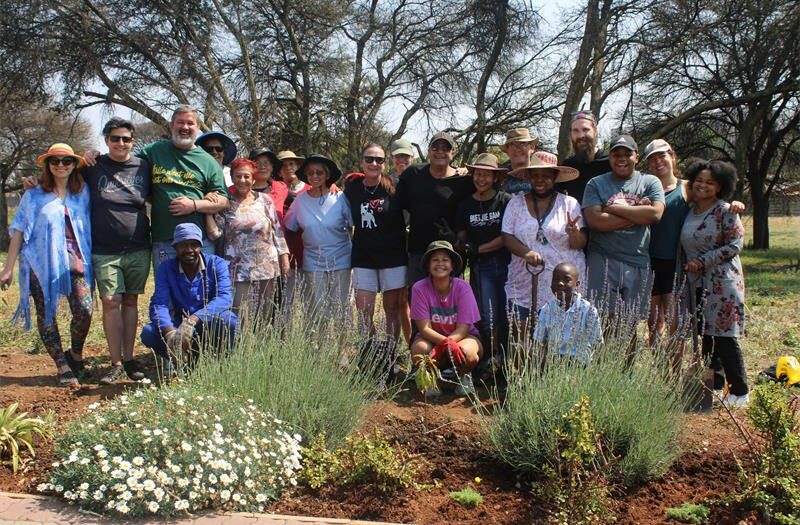
This is where the Collective Efficacy Theory comes into play. Developed by sociologist Robert J Sampson, and colleagues, in the 1990s, the theory emphasises that communities with strong social cohesion and shared expectations for behaviour are more capable of achieving desired outcomes, from crime prevention to environmental upkeep.
Collective efficacy is about belief and capacity. It is the understanding that, together, residents can make a difference. When a neighbourhood organises a weekend clean-up; it is not just about litter; it is about demonstrating collective responsibility. Neighbours learn to trust one another, co-ordinate efforts, and enforce social norms subtly. Graffiti is reported, litter is not left behind, and public spaces are respected.
Community Cleaners founder Andre Swanepoel believes the key to understanding neighbourhood decline, and recovery, lies in what he calls the Broken Window Principle. “The Broken Window Principle is exactly what it sounds like. When an area becomes neglected, and the local community disengages, the decline accelerates. Litter accumulates, illegal signs appear, potholes multiply, property values drop, and general decay sets in.”
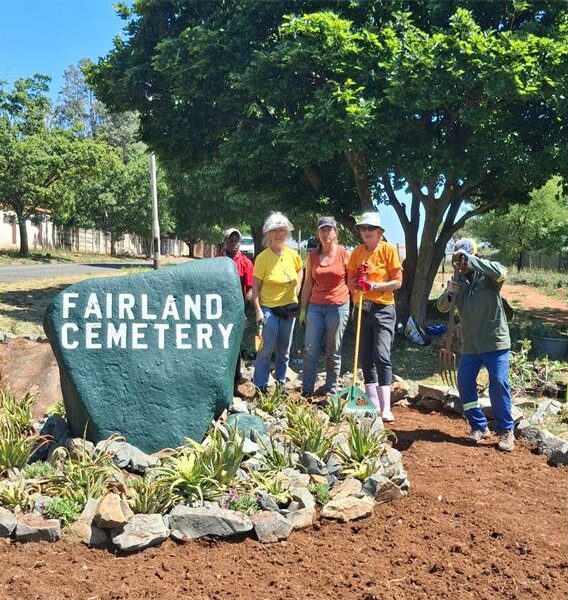
“In contrast, communities that take ownership of their environment, by cleaning up, maintaining pavements and parks, reporting service delivery failures, and taking pride in their area, create a very different outcome. These suburbs remain cleaner, safer, and more desirable. Property values are sustained, families feel safe to walk the streets, and the sense of community strengthens.”
In Swanepoel’s view, the appearance of neglect sends a signal, but so does the appearance of care. A broken window, a pile of litter, or an unmaintained park all communicate that no one is paying attention, but when residents act, that message changes. Their visible efforts show that people do care, and that sense of responsibility becomes contagious.
Also read: Lets clean up Alberts Farm
Swanepoel says Johannesburg’s growing number of volunteer clean-up groups are filling the gaps left by failing systems “Across Johannesburg, many groups, like the Community Cleaners, have stepped up to maintain and restore their local areas.”
But, he warns that bureaucracy often hinders, rather than helps, these citizen-led efforts. “What we need is not more bureaucracy, but more authority and freedom to act. Civil groups, residents’ associations, NPOs, and NPCs must be allowed to maintain their areas without interference, excessive red tape, or the threat of fines. These groups are helping to save our suburbs – and Johannesburg itself – from further decay.”
For Swanepoel, the message is clear: The city’s future depends on partnership, not obstruction. Communities are willing to work, but they need support, not resistance. “If it weren’t for these active residents and communities, Johannesburg would be in a far worse state than it already is. Unfortunately, many people still say: ‘I pay my rates and taxes; the city must fix it’. The truth is, that’s not happening anytime soon.”
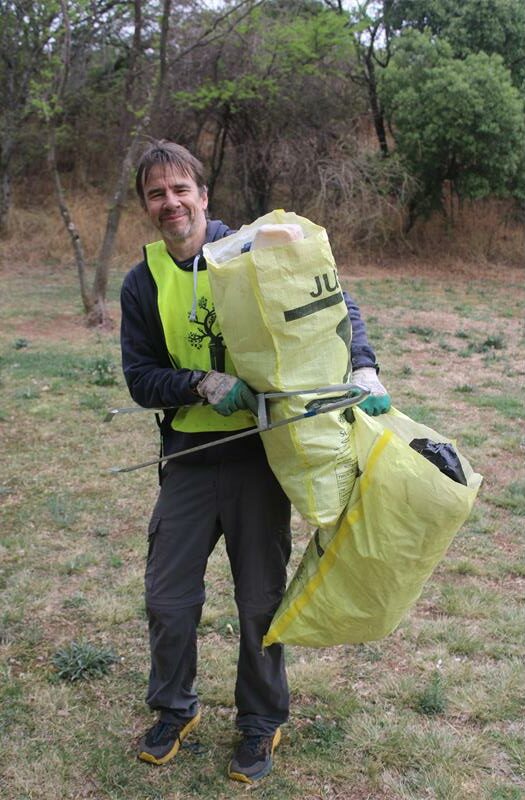
The 80/20 rule
“We can’t afford to wait for the system to change. We have to act ourselves,” Swanepoel says. “Sadly, the 80/20 rule applies: 20% of people make things happen, while 80% just watch. This mindset has to change if we want to save our city – and our country.”
This idea, that change depends on the willing few, echoes the Collective Efficacy Theory, which emphasises shared trust and co-operation among residents. Those who take initiative, even in small numbers, inspire others to join, creating ripples of positive action that strengthen community bonds.
Swanepoel says the relationship between residents and authorities must shift from confrontation to collaboration. “We need more of this community action, and less fear of intimidation, red tape, or threats from officials. Authorities must realise that we are not working against them, but with them. We are here to help restore the city, not to embarrass anyone over service delivery failures.”
Community efforts are not limited to one group. Across the city, collaboration between residents, organisations, and even security companies has become a powerful force. Danny Nunes, from the Melville Security Initiative (MSI) and CREASS, says he’s encouraged by the proactive attitude of many Johannesburg residents. “I love seeing communities being proactive, and the results they are achieving are remarkable.”
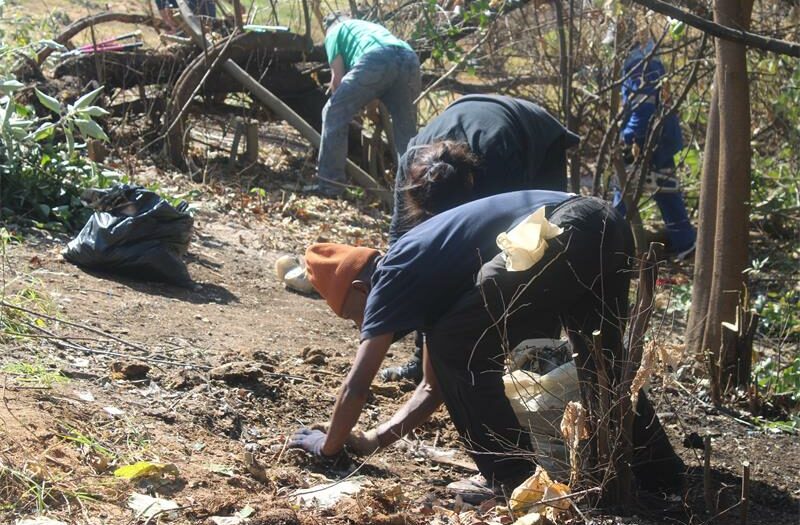
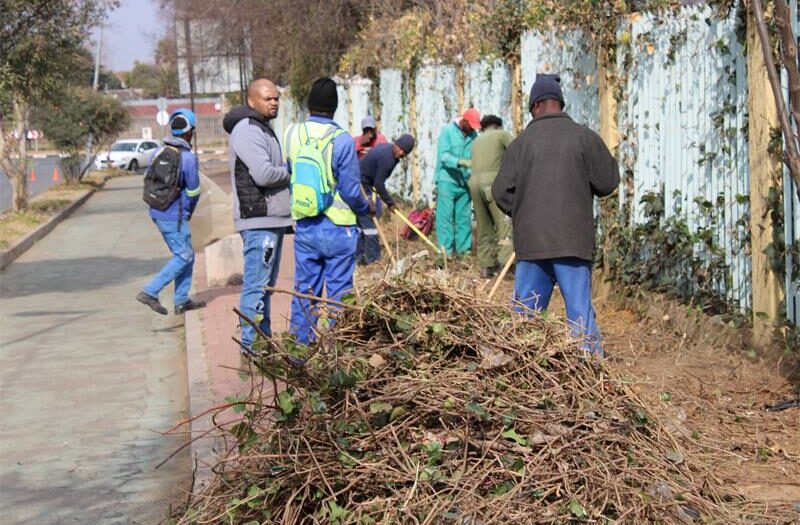
He explains that his initial goal was modest – to employ a few workers once a month to tackle urban decay. “Initially, I was finding guys to work once a month for the MSI, tackling urban decay, and wanted to build more opportunities for them.”
Nunes believes that residents are the most effective agents of change, because they are directly affected by what happens in their neighbourhoods. “Residents of communities are in the best position to tackle matters that concern them directly, and they are starting to achieve great results.”
Founder and CEO of Clean City SA Dalu Cele stated that community members should lead by example, then others will follow. “Community clean-ups can be started by one or more community members within their neighbourhood. The more the community realises the progress and benefits of the cleanliness in their neighbourhoods, the more likely they are to get involved.”
Cele added that public open spaces belong to communities, therefore the community, within a neighhourbood, should look after it. “Communities should not wait for the municipality to keep it clean; they should take part in its upkeep and clean-up. Community members should teach each other responsible waste management behaviour, to stop littering and illegal dumping within their communities. Collaboration is crucially important, in terms of partnerships achieving bigger goals as collectives. Organisations that work in various fields can come together, combine their strength and resources for the ultimate benefit of their communities.”
Across Johannesburg, we do not just see residents cleaning their communities, but rather changing mindsets. They are proving that collective effort can create a beautiful South Africa.
Follow us on our Whatsapp channel, Facebook, X, Instagram, and TikTok for the latest updates!