In an accident? A guide on what your next steps should be
With more cars on the road during the holiday on certain routes, it's up to all of us to look out for one another. If you came across an accident today, would you know exactly what to do?
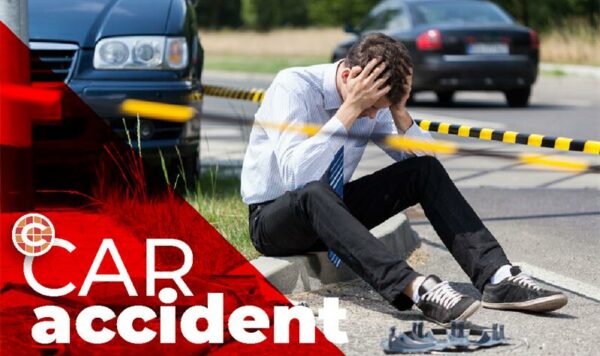
The holidays are in full swing, although our local roads are less busy, accidents still happen. Whether you’re heading out for a family getaway or just popping to the shops, more cars on the road, unfortunately, means a higher risk of accidents.
We all want to arrive safely, but would you know what to do if you were the first person on the scene of an emergency? Being prepared can turn a moment of panic into a lifesaving response.
Read more: Strap In! Child Safety Shouldn’t Take a Holiday
Here is how you can look out for your fellow neighbours and travellers:
1. The first move: Stop safely
According to Tracker [https://www.tracker.co.za/], if you witness an accident, your first instinct might be to jump out immediately, but your safety is the priority. Put your hazard lights on; this immediately signals to other drivers that there is a hazard.
- The ‘fend-off’: If the accident is on a blind rise or a sharp bend, park your car behind the scene with hazards on to warn oncoming traffic. Otherwise, park well in front of the accident to leave space for ambulances.
- At night: Keep your headlights on to light up the scene for everyone involved.
- Minor bumper bash? If there are no injuries, move the cars out of the flow of traffic to the shoulder to prevent a secondary pile-up.
2. Make the call (even without cellphone signal)
In South Africa, your most powerful tool is 112. This is the global emergency number for all cellphones. It works via satellite, meaning it can often connect even if you have ‘No Service’ on your provider.
- 10111: Police
- 10177: Ambulance and fire
- The blue-and-white boards: If you’re on a national road (like the N1 or N2) and aren’t sure where you are, look for the small route marker boards every 200m. Tell the operator the route name, section, and kilometre mark.
3. Assess and protect
Movies make us think cars explode every time they touch. In reality, it’s rare. However:
- Fire: If you see flames, use a fire extinguisher or sand. Do not use water on a vehicle fire.
- Don’t move the injured: Unless the car is on fire or at risk of falling, leave injured people where they are. Moving someone can cause permanent spinal damage.
Also read: Growing Champions founder shares Christmas message
4. While you wait: The power of calm
You don’t need a medical degree to save a life. Sometimes, the best thing you can do is offer a steady hand:
- Reassure: Talk to the victims. Let them know help is coming.
- Stop the bleed: Use any clean cloth to apply firm, constant pressure to a wound. Don’t lift it to ‘check’ if it has stopped.
- Search the area: If a passenger says there were four people in the car, but you only see three, search the nearby grass. People not wearing seatbelts can be thrown quite far from the vehicle.
- No Snacks or water: It’s tempting to offer a drink, but don’t. If the person needs surgery later, having food or water in their system can be dangerous.
5. Document and details
If you are involved in an accident, try to gather as much information as possible once the scene is stable. Use your phone to snap photos of:
- Licence disks and driver’s licences.
- Number plates and property damage.
- Street signs or nearby CCTV cameras.
Before letting a tow truck hook your car, call your insurance company’s authorised towing service first. It saves a massive headache (and a huge bill) later.
Follow us on our Whatsapp channel, Facebook, X, Instagram and TikTok for the latest updates and inspiration!