Preventing Padel injuries: Expert tips for SA’s growing padel community
What every padel enthusiast should know to stay injury-free.
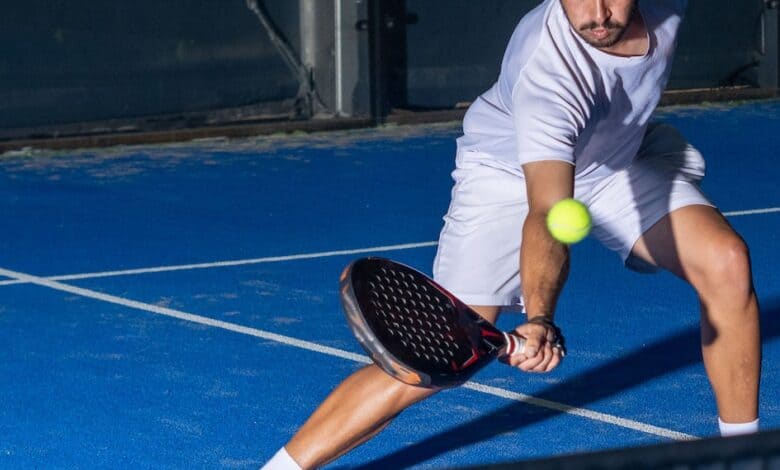
The fast-paced rallies and doubles play of padel, also known as padel tennis, are attracting a major following across South Africa. However, as more people take to the courts, injuries are becoming increasingly common. Experts say that with the right approach, these injuries do not have to deter enthusiasts.
Read more: Padel: A perfect lifestyle sport
“The sport is an excellent form of cardio exercise, however as more amateur players take to the padel courts, we are seeing an increase in injuries associated with it, especially to the knees, shoulders, elbows, and ankles,” says Dr Ashley Naidoo, an orthopaedic surgeon with subspecialist expertise in upper limb and sports-related conditions.

Recent research from Europe shows that around 36% of recreational padel players sustain injuries each year, at a rate of approximately 2.8 injuries per 1 000 hours of play.
“Many of the common padel injuries affect the lower limbs, with ankle sprains, overused knees, calf and thigh strains, and Achilles tendon problems fairly common – particularly in players over 30 and in those who are new to the game,” says Naidoo. He also said padel players should be aware of the risk of upper limb injuries, as pain or strains affecting the elbow, shoulder, and wrist are also prevalent.
Naidoo points out that many padel injuries can be avoided. “Prevention of injuries is always better than treating them, and given the growing popularity of padel tennis, I would advise anyone who is enjoying this sport to make prevention part of their preparation.”

Physiotherapist Ulaysha Narandas highlights the importance of warming up properly, with research from European and Latin American sources highlighting the absence of a structured warm-up dramatically increasing injury risk.
Most padel-related injuries – especially to the knees and calves – happen early in matches, when cold muscles are pushed too hard, too fast. Her advice: Start every session with 10 minutes of active movement, including light jogging, mobility drills, and dynamic stretching. After the game, static stretching of the legs, forearms, and lower back helps prevent tightness and speeds up recovery.
Naidoo points out that appropriate padel footwear is another critical piece of the injury prevention puzzle. As padel is played on synthetic turf, often with sand infill, running shoes and general trainers are unsuitable, as they increase the risk of slipping or ankle rolls. With footwear designed specifically for padel, or clay tennis surfaces, offering the best protection. “Recent Spanish data suggests that hybrid or omni-soles may reduce impact forces compared to full herringbone designs.
“By combining smart training, proper preparation, suitable footwear, and evidence-based rehabilitation, players of all ages can enjoy padel while minimising injury risk.”
Follow us on our Whatsapp channel, Facebook, X, Instagram and TikTok for the latest updates and inspiration!