Johannesburg youth join in Fairland’s Growing Champions interschool village of hope experience
A uniqure youth-led initiative brought together five schools, along with schools from Soweto, designed to move leaners through interactive stations, shaping them into active participants in their communities.
St Davids Marist Inanda played host to an unusual kind of classroom on May 23.
One without desks, timetables, or traditional lessons, but instead a living, moving village of hope, designed to pull young people into the heart of community action. The initiative was built on a simple but ambitious idea: That young people should not be passive recipients of service programmes, but active shapers of their communities.
Growing Champions founder Samantha Toweel-Moore stated that they ran the interschool collaboration with the purpose of rebuilding relief in both country and community through youth participation. She described the project as a rejection of division – whether social, economic, or geographical – and a push toward unity.
Read more: Footballer is scoring goals and inspiring growth at Growing Champions
Five schools took part in the collaboration, including St Davids’ Marist Inanda, Marist Brothers Linmeyer, De La Salle Holy Cross College, Kingsmead College, and Roedean SA, with the addition of schools in Soweto – Lofentse Girls, Madwaleni High, Orlando High, Phefeni Secondary, and Anchor High.
Karen Lanley, of Kingsmead College, played a key role in inviting schools to collaborate, helping bring together learners who might otherwise meet only as sporting rivals or distant acquaintances. The experience started as a structured journey through six themed stations, all set within, what organisers called, the growing champions change leaders village. Learners were transported between stations in a recreated Jozi taxi rank, reinforcing the idea of navigating through real city systems and social realities.
Also read: Reflecting on years of Growing Champions growth
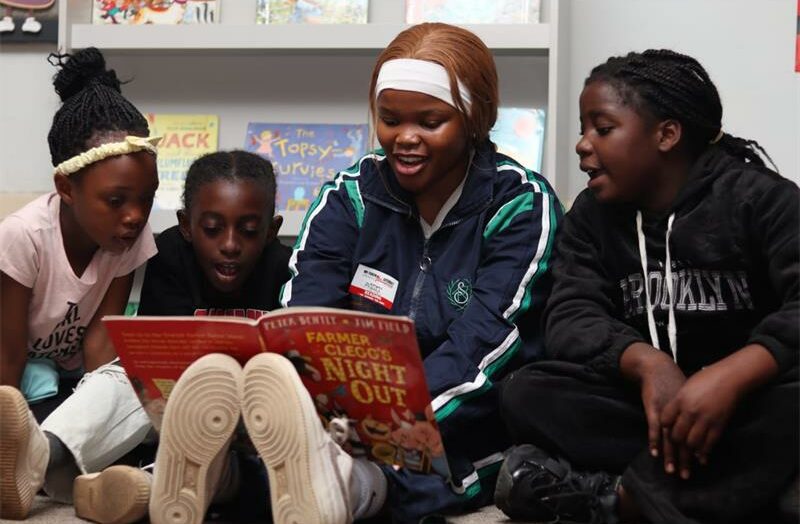
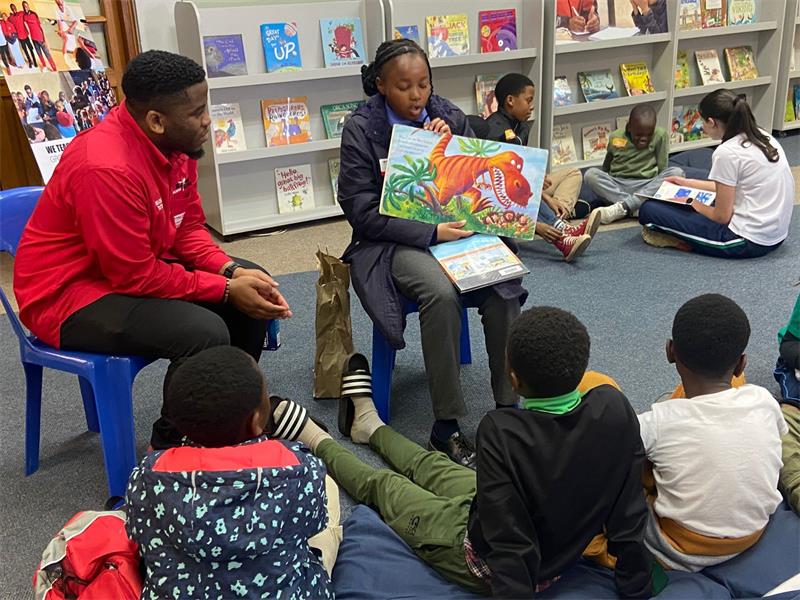
Each station offered a different lens on community life. In the media space, learners explored storytelling and the responsibility of giving voice to untold community narratives. In another, mental health and identity work encouraged students to reflect on belonging and emotional resilience, with a strong emphasis on peer connection and speaking openly about struggle. A literacy-focused station highlighted the work of youth-led programmes supporting reading development and educational access, while another space addressed gender-based violence and inequality through reflective activities, including discussions around access to schooling and dignity.
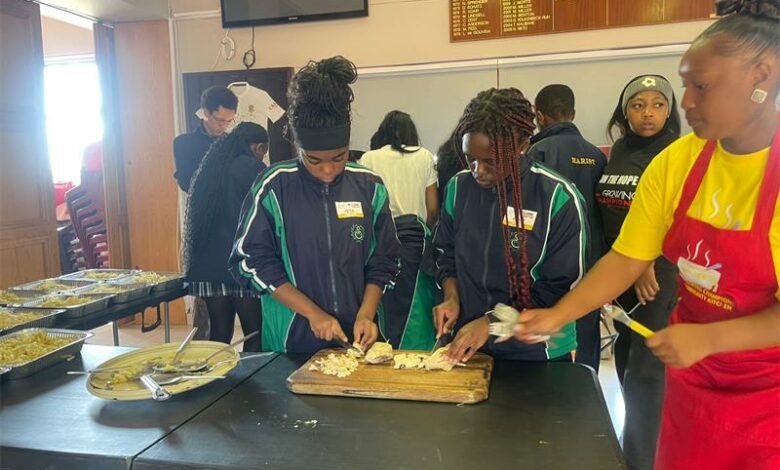
Food security and dignity were central in the community kitchen, where participants prepared meals for local outreach efforts while reflecting on the link between nourishment and care. On the sports field, a mixed six-a-side football format brought together school learners and children from surrounding communities in shared play. One of the most emotional components came through Letters of hope, where students wrote messages for young people facing grief, anxiety, or trauma.
After moving through all stations, participants were given the choice of where to contribute – whether in literacy work, media storytelling, gardening, food preparation, or sport. Moore said the aim was to nurture a generation that sees citizenship not as a future responsibility, but as a daily practice.
Follow us on our Whatsapp channel, Facebook, X, Instagram, and TikTok for the latest updates and inspiration!