Ancient Melville Koppies iron smelter offers glimpse into Joburg history before gold
A new Heritage Day experience is bringing to life the ancient ironworking skills that formed part of Johannesburg’s story long before 1886.
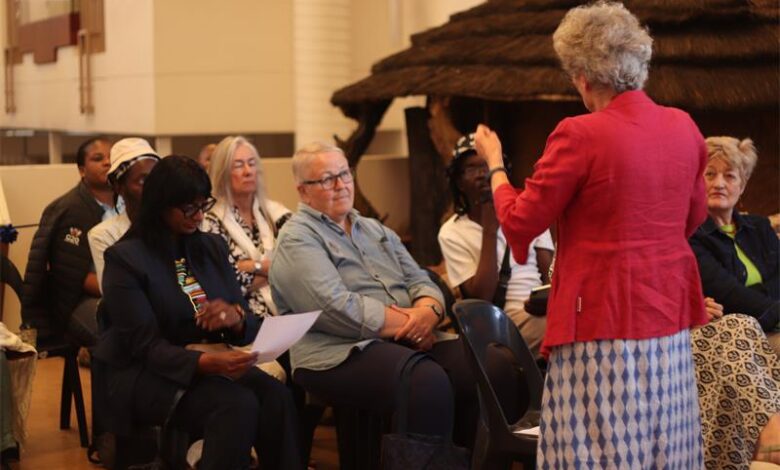
Johannesburg may be known as eGoli, the City of Gold, but the story of the city stretches back centuries before the discovery of gold – and an ancient iron smelter at Melville Koppies offers a glimpse into that largely overlooked past.
For Jenny Grice, chairperson of Friends of Melville Koppies, the furnace deserves to be remembered because it provides a window into the history of Johannesburg before gold, which most Joburgers don’t know about.
Read more: Pollution threatens Westdene Spruit as Melville Koppies conservationists urge action
The smelter points to an earlier history of settlement in the area by early farmers from about 1300, who came from further north in Africa and brought metalworking skills with them. The history of human occupation around Johannesburg, however, stretches back much further. According to Grice, tools visible in the smelter excavation also show occupation by San/Bushmen hunter-gatherers, while evidence of early humans in the area reaches back hundreds of thousands of years.
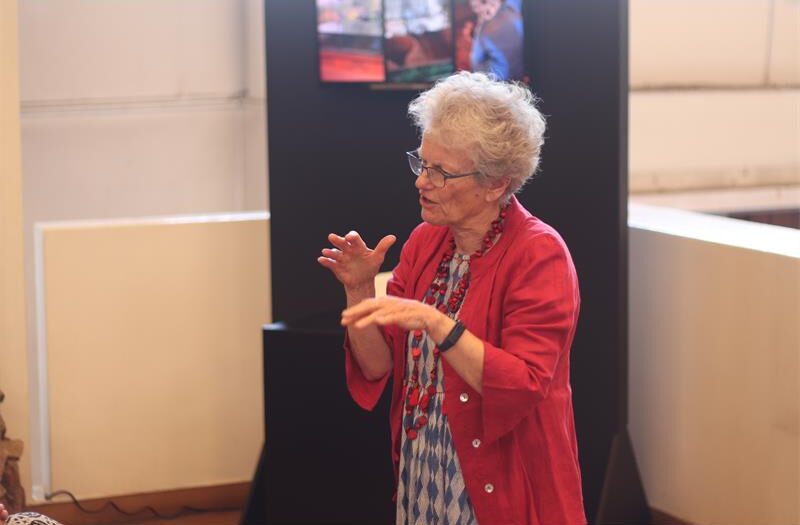
She believes focusing too heavily on Johannesburg’s mining history risks overlooking these earlier chapters. The new augmented reality experience is intended to help bring that history to a wider audience, particularly younger people. The narration is available in four South African languages, while the AR experience demonstrates not only what the furnace looked like but how the iron-smelting process worked.
For Grice, this creates an opportunity for young visitors to see the sophistication of the technology used by people centuries ago. A child looking at the reconstruction might learn that an ancestor could have been smelting iron using a process that, in principle, is still used today – although modern technology uses computers and machinery to control the temperature.
Also read: Professor highlights crucial role of African grasslands at Melville Koppies meeting
The ancient metalworkers had to rely on their own expertise, including reading the colour of the flames to determine whether the fire needed more or less oxygen. Bringing the experience to Museum Africa on Heritage Day strengthens the connection between Johannesburg’s past and its present, allowing visitors to encounter a part of the city’s history that is often missing from the familiar gold-rush narrative.
For Grice, that is ultimately what heritage is about: understanding that the story of Johannesburg did not begin in 1886, and that the people and skills that came before the gold rush are also part of the city’s identity.
Follow us on our Whatsapp channel, Facebook, X, Instagram, and TikTok for the latest updates!