Local newsMunicipalNews
Angus Burns’ comments on Ncandu River test results
Anyone using the river water for such purposes runs the risk of contracting any number of microbial related diseases
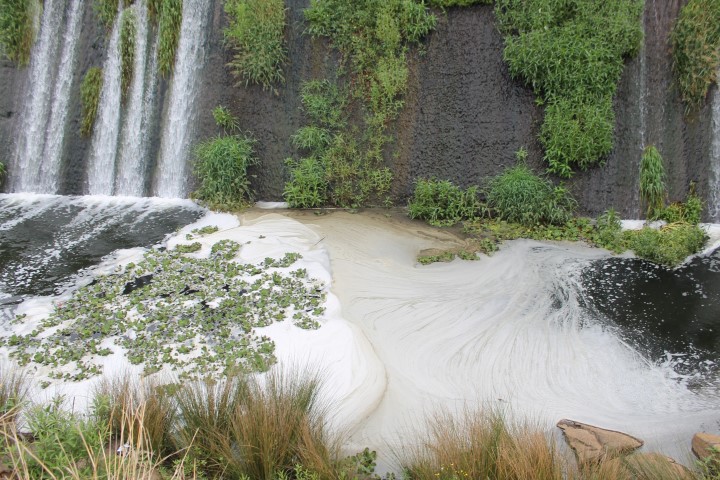
Following tests conducted by uThukela Water in July, we asked Angus Burns, Manager of the World Wildlife Federation Grasslands Protection Programme, to have a look and give us his views.
“The results from the tests conducted on the river are indeed worrying. My comments are as follows,” said Mr Burns.
- The sample was taken when the river was in its low flow period (winter) which means that the high levels of E.coli recorded indicate point source pollution that is causing sustained pollution of the stream with faecal waste. It is almost 100 percent certain that this can be attributed to sewage pollution from poorly functioning and/or broken sewerage pipes. Normally, rivers in a natural and generally unpolluted state are at their best condition during the low flow period of the year due to minimal inflow of pollution from the sides of the river banks and tributaries due to lack of rain during this period. The opposite has occurred in this case and the pollution input is being sustained throughout winter causing the high E.coli results from the test (again this is linked to point source pollution from sewerage).
- When the summer rains come, they normally flush the river, causing an initial spike of pollutants which then often subsides somewhat as the river flows for a period of time during the peak flow season (as the rain flushes the system “clean” over the rainfall period). However this is only when there is not a continued / sustained inflow of pollution from point sources such as broken sewer lines. With the continual input of sewerage combined with other pollutants the summer rains will probably exacerbate the problem as more is washed into the river. i.e. the dilution effect of summer rains will be diminished because the sources of pollution are being sustained.
- What I predict will happen during summer (and is already happening in spring) is that with the continued pollution from sewerage and other pollutants and increased temperatures, there will be more algal and aquatic plant blooms in response to the nutrient enrichment caused by pollution. This will increase the biological oxygen demand on the river environment causing ecological problems such as fish kills.
- Note: any E.coli count over zero indicates water unsuitable for human consumption and would require purification to make it safe. The results from the two tests indicate E.coli counts of over 10 000 colonies and 24 000 colonies per 100 millilitres respectively making the water unsafe for even recreational use such as swimming and fishing. Anyone using the river water for such purposes runs the risk of contracting any number of microbial related diseases.
- Furthermore, the high results for Chemical Oxygen Demand (COD), Ammonia, electrical conductivity and suspended solids indicate there are most likely other chemical pollutants in the river which unless tested for specifically will not be identified by the two tests conducted. These are probably from various chemical sources from businesses and residences located near to or directly by the river.
- It is worth noting that the test results are compared to the Department of Water Affairs (DWAF) standards for effluent. The Ncandu River should not be classed as “effluent” but rather a natural river yet fails to meet even the general standards for effluent due to severe E.coli pollution. This means that currently, the river should be treated as hazardous to human and domestic animal health with levels of E.coli up to 24 x higher than the general DWAF standard for effluent.
- The photograph of the green Amcor Dam illustrates the initial consequences of what the test results have revealed and is a clear sign that the Ncandu River is severely polluted.
- Cleaning up river banks will make the river look neat and tidy but will not address the past and ongoing issues of sewage pollution. An integrated approach involving regular water testing, law enforcement against polluters (the Water Act is very clear on the Polluter Pays principle), awareness creation and collective social action may help to address the situation.
- Please note that the Ncandu River begins its journey as a pristine, beautiful river in the mountains and hills around Newcastle. It is very sad that such a magnificent natural asset becomes severely polluted as it enters the town of Newcastle. Rivers like the Ncandu should be treated with the respect and reverence they deserve in that they ensure our survival from a food, water and economic perspective. Instead, the river is being treated as a dumping ground and this needs to stop.
The full test results can be viewed here.
At Caxton, every story is written by humans. We use AI only to perform quality checks - never to generate the news. Happy reading!