
Bullies, childhood monsters
Read here for tips for dealing with bullying.
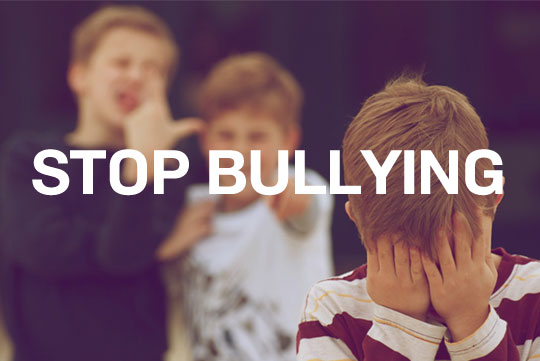
Bullies are predators, preying on those weaker than themselves.
While many may think their children are protected against bullies, it would seem Newcastle’s children are not as safe as we think.
Farieda Mia from Child Welfare said bullying occurred more often than we thought. “We still have a lot of work to do to deal with it. With social networking, it has become easier to bully anonymously.”
She said Child Welfare saw cases of bullying throughout the year and often cellphones were involved.
What is the effect of bullying on victims?
Bullying is repeated aggressive behaviour that can be physical or verbal.
Through constant bullying tactics, victims are made to feel hurt, angry, afraid, helpless, hopeless, isolated, ashamed and even guilty, thinking they might have done something to justify the bully’s behaviour.
It can affect the victim’s health and mental state, leading to depression, anxiety or low self esteem or even suicide.
Physical bullying:
This includes hitting, kicking or pushing someone or threatening to do it. Stealing, hiding or ruining someone’s things also form part of physical bullying, as do harassing or humiliating someone and forcing them to do things.
Verbal bullying:
Name-calling, teasing, taunting, refusing to talk to someone, excluding one from groups or activities, spreading lies or rumours about someone, insulting or otherwise verbally abusing the victim.
Verbal bullying forms part of cyber bullying, where bullies make use of social networks to taunt and humiliate victims.
It is important for parents to be vigilant and notice if a child is being bullied or is bullying someone.
Victims of bullies should speak up.
“Some parents do not want to accept that their child is a bully,” said Ms Mia.
Aggressive behaviour is often learned at home or the bully suffers from an inability to deal with their emotions.
Captain Shooz Magudulela, police spokesperson, said it was important to get help. “Talk to a parent, teacher, counsellor or other trusted adult. Seeing a counsellor does not mean that there is something wrong with you.”
Tips for dealing with bullying:
Walk away and do not react.
Report the bully to a trusted person, repeatedly if you have to.
Find support among trusted people who can encourage you.
Warning signs that your child is being bullied:
Bullies hide their acts from adults, but there are telltale signs your child is being victimised:
1. Your child appears worried, angry and moody.
2. Your child may experience frequent nightmares.
3. Physical complaints increase and your child avoids explaining physical injuries.
4. Withdrawal from friends and activities they used to enjoy.