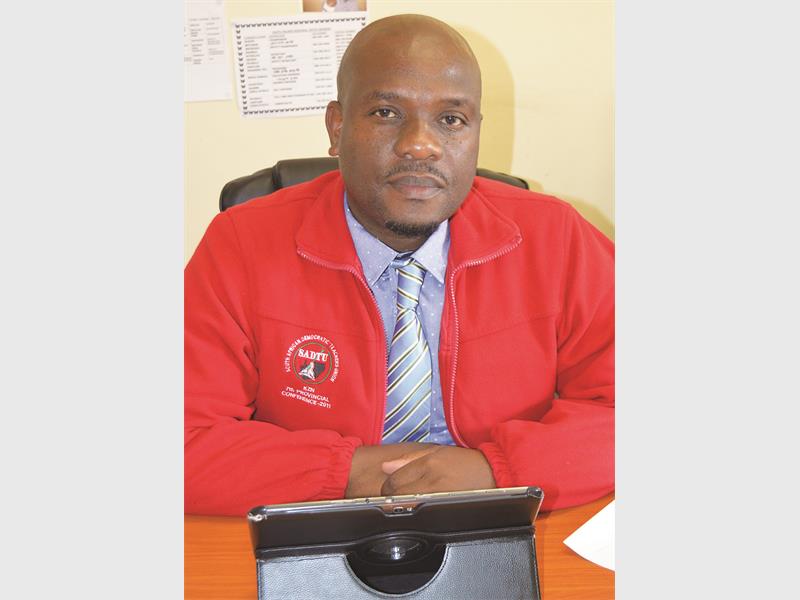
Estella Naicker
Roughly half of the 2015 matrics (46.5%) in the Zululand District failed their final exams.
Of the 37 pupils who wrote matric at Kwabhamu Junior Secondary, just outside Ulundi, none passed, yet the school is being probed by the Department of Education following allegations of cheating.
According to national media reports two other schools in Zululand are also being investigated for cheating.
Regional secretary of SADTU (the South African Democratic Teachers’ Union), Sbusiso Buthelezi, declared that the dismal matric pass rates in KwaZulu-Natal have been a wake-up call that points to a general lack of accountability among teachers, management, pupils, parents and communities.
“The 2015 results have alarmed everyone to the fact that there is a real problem in education. Everyone, from the Premier to the teachers on the ground, is disappointed,” said Mr Buthelezi.
‘We want to, as a team, see the 2016 results improve. We have visited schools in the regions and we are drafting a plan of action but the success of the plan needs all of us to join hands to ensure quality matric results.”
SADTU cited several reasons that might explain the poor matric results.
Among them was the fact that pupils of a certain age were promoted to matric regardless of whether they had passed or failed grade 11. “This is contributing to a low pass rate and we feel that pupils should be allowed to repeat grades until they are able to pass successfully,” said Mr Buthelezi.
According to Mr Buthelezi, frequent absenteeism among teachers and pupils and a general lack of respect for policies that the Department of Education has agreed upon, also pose an ongoing setback to learning.
“Furthermore, there are certain inequalities that still exist between schools in terms of human resources, infrastructure, educational resources like libraries and laboratories,” he continued. “Additionally, because the post provisions have not changed, we have schools in Vryheid that have up to 50 pupils in a single class. This means that the teacher does not have the time to give each pupil the attention that they need and because the teacher’s movement around the classroom is restricted, the classes become chaotic.”
A lack of training and capacity building for teachers is another reason mentioned for bad performance at certain schools. “There’s millions allocated in the province for skills capacitating, which is not being used for that purpose and there is a skills shortage on the ground as a result. Newly appointed teachers are not getting the intensive training and capacity building they need,” explained Mr Buthelezi.
Talking about the schools that have obtained a 0% pass rate, Mr Buthelezi lamented that there are now more than 60 pupils that, “have no future and no hope.”
“I would like to call on the Department of Education to come forward and visit these schools to ensure that these pupils don’t fall back on criminal activities,” he said.