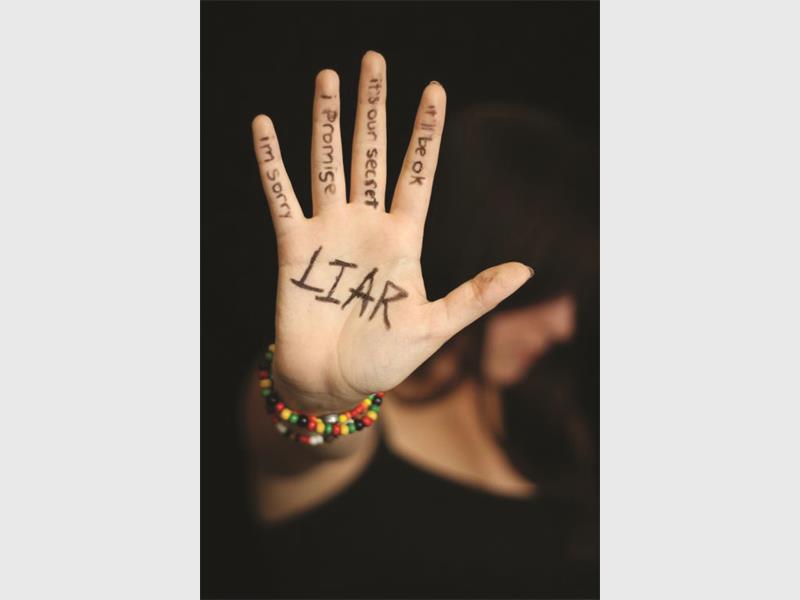
Domestic violence can affect anyone in any community, regardless of age, economic status, sexual orientation, gender, race, religion, or nationality.
Domestic violence includes physical, verbal, emotional, economic, religious, and sexual abuse.
Newcastle SAPS confirmed an average of three cases of domestic violence were opened every month, besides the number of protection orders served monthly. This year so far, one domestic dispute ended in a fatality.
“Although this matter concerns both men and women, it is more likely for a woman to be the victim as they tend to experience more severe forms of violence,” said Lizzy Arumugam, from Newcastle Police Communication.
The leading causes of domestic violence are financial strain, jealousy, and adultery.
Abuse is often not reported, because the victim is too scared, or is too easily placated by niceties like gifts, flowers or dining and wining.
Below is a list of behavioural signs indicative of domestic violence.
– The victim expresses fear or anxiety
– The victim may feel compelled to please their partner at all times
– They tend to go along with everything their partner says and does
– They check in often with their partner to report where they are and what they’re doing
– Receive frequent, harassing phone calls from their partner
– Try to talk about their partner’s temper, jealousy, or possessiveness
– They might have frequent injuries, with the excuse of “accidents”
– They frequently miss work, school, or social occasions, without explanation
– They tend to dress in clothing designed to hide bruises or scars (e.g. wearing long sleeves in the summer or sunglasses indoors)
– They have a very low self-esteem, even if they used to be confident
– They show major personality changes (e.g. an outgoing person becomes withdrawn)
– They are constantly depressed, anxious, or suicidal
– They are restricted from seeing family and friends
– They rarely go out in public without their partner
– They have limited access to money, credit cards, or the car.
Victims of abuse should apply for a protection order against the abuser. By getting such an order, your partner may not enter the family home or your workplace.
“If the abuser contravenes the protection order, they will be arrested and charged for not complying with a court order,” said Ms Arumugam..
She said there were many facilities to assist women in abusive relationships, such as health workers at their clinic, counsellors from their local welfare offices or the national toll-free Stop Women Abuse hotline: 0800 150 150.
“You can also contact your local police station, or SAPS emergency number 10111 and SAPS Crime Stop 08600 10111.”